
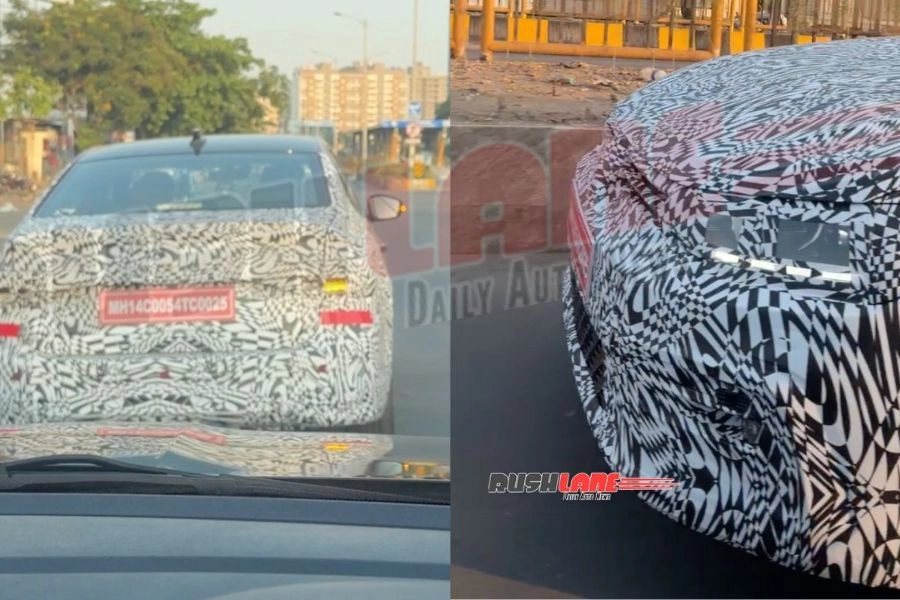
Volkswagen is gearing up for a busy year in India. With the launch of the new Volkswagen Taigun scheduled for tomorrow and the Volkswagen Tayron already introduced earlier this year, the brand appears to be preparing its third major product update. The Volkswagen Virtus facelift has now been spotted testing under heavy camouflage, hinting at a launch later this year. While details remain limited due to the covered test mule, a few key updates can be expected based on what is visible and current trends in the segment.
Volkswagen Virtus Facelift – Expected Exterior Design
Despite the heavy camouflage, the test car suggests that the Volkswagen Virtus facelift will receive a revised front fascia. This is likely to include updated headlamps, a redesigned grille, and a tweaked bumper for a fresher look. These changes are expected to align the sedan with Volkswagen’s newer design language seen globally.

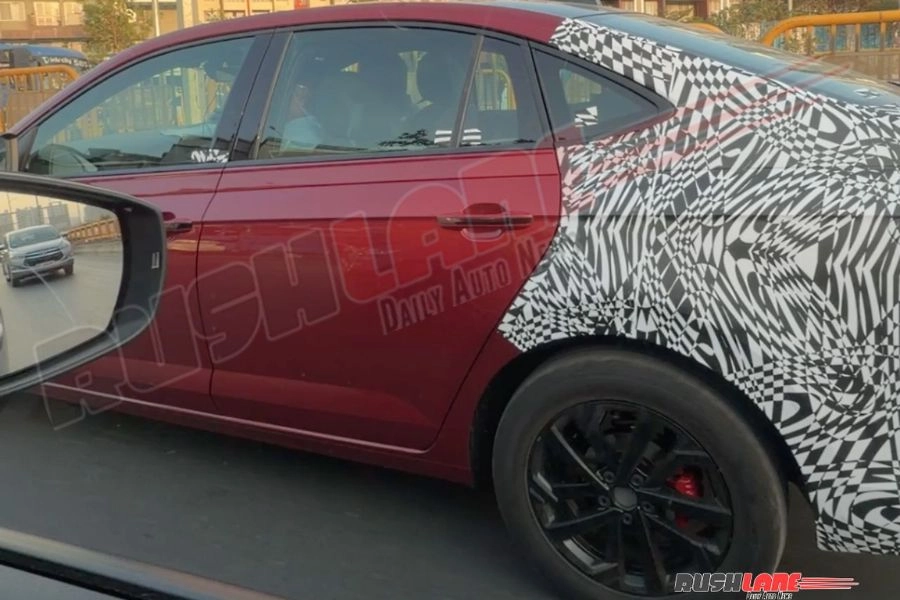
From the side, the overall silhouette remains unchanged. The Virtus continues to retain its clean sedan proportions, which have been one of its strengths in the segment. Interestingly, the alloy wheels seen on the test model appear similar to those on the current version, suggesting that major changes here may be limited.

At the rear, while details are not clearly visible, there is speculation around updated tail lamps. A connected tail lamp setup could be introduced, following current market trends, but this cannot be confirmed until the official reveal. Overall, the facelift seems to focus on subtle cosmetic enhancements rather than a complete redesign.
Volkswagen Virtus Facelift – Expected Interior Design and Features
The interior of the facelifted Volkswagen Virtus is expected to remain largely familiar. The spy shots available are not very clear, but they suggest that Volkswagen may not opt for a major overhaul. Instead, the focus could be on feature additions and minor refinements.
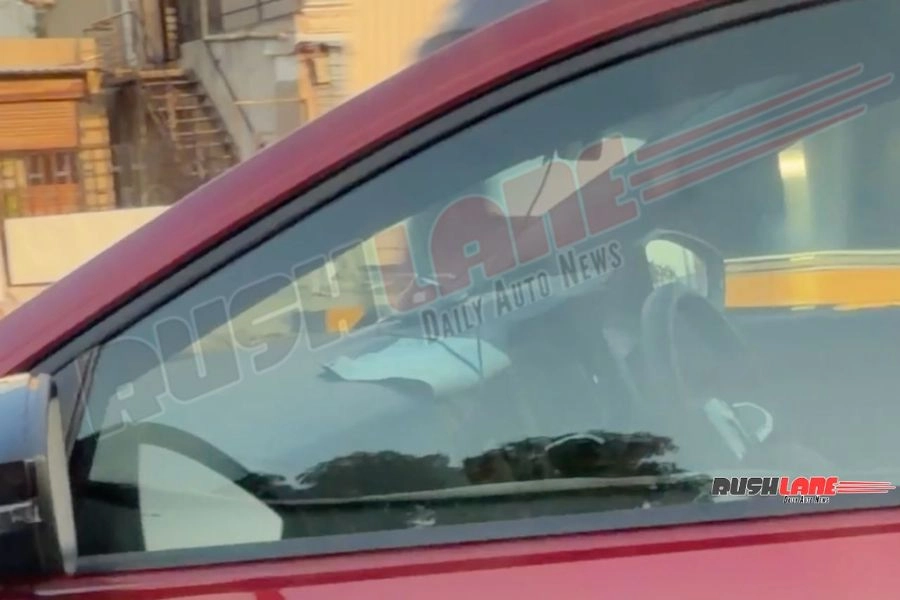
The sedan is likely to continue with its existing 10.2 inch touchscreen infotainment system and 10.25 inch digital instrument cluster. Features such as ventilated front seats with electric adjustment, automatic climate control, and a sunroof are expected to be retained. It remains to be seen whether Volkswagen will upgrade to a panoramic sunroof or continue offering a single pane unit. Fit and finish improvements along with possible new upholstery options could also be part of the update to keep the cabin competitive.
Volkswagen Virtus Facelift – Expected Powertrains
Mechanically, the Virtus facelift is expected to carry forward its existing engine options. These include the 1.0 litre turbo petrol engine producing 115 horsepower, paired with a six speed manual and a six speed torque converter automatic. The more powerful 1.5 litre turbo petrol engine delivers 150 horsepower and comes with a seven speed DSG gearbox.
However, an important update could be the introduction of a new automatic transmission for the 1.0 litre engine. The Skoda Kushaq, which shares the same MQB A0 IN platform, recently received an 8 speed torque converter automatic with its facelift. A similar upgrade could make its way to the Virtus.
Volkswagen Virtus Facelift – Expected Price and Rivals
Currently, the Virtus is priced between Rs 10.49 lakh and Rs 18.99 lakh ex showroom. With the facelift, a slight price increase is expected, although it is likely to remain competitive within the segment.
In terms of rivals, the Virtus will continue to compete with established players such as the Hyundai Verna, Honda City, and Skoda Slavia. With competitors also receiving updates, including a recent refresh for the Verna and an upcoming facelift for the Slavia, the Virtus facelift will need to bring meaningful enhancements to stay ahead.
Spy-shot Image Credits: Rushlane