
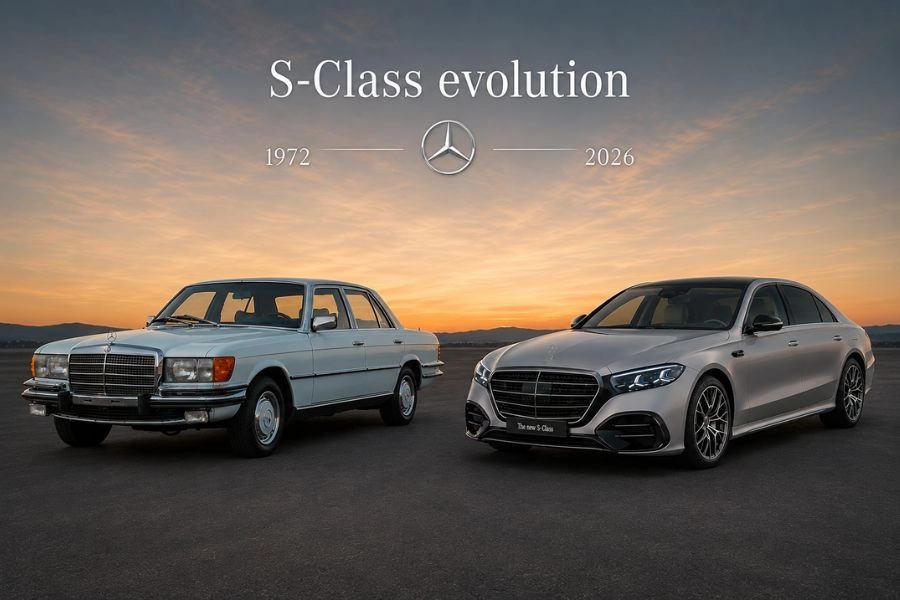
“Carl Benz once said, ‘The love of invention never dies.’ And if there is one car that has lived and breathed this philosophy across decades, it is the Mercedes-Benz S-Class.
Since the very dawn of the automobile, cars have stood for far more than mere mobility. They have symbolised progress, ambition, and the relentless pursuit of something greater. And few manufacturers have embodied this spirit as consistently as Mercedes-Benz, the inventors of the automobile itself. With the S-Class, they have not just built cars, they have set benchmarks.
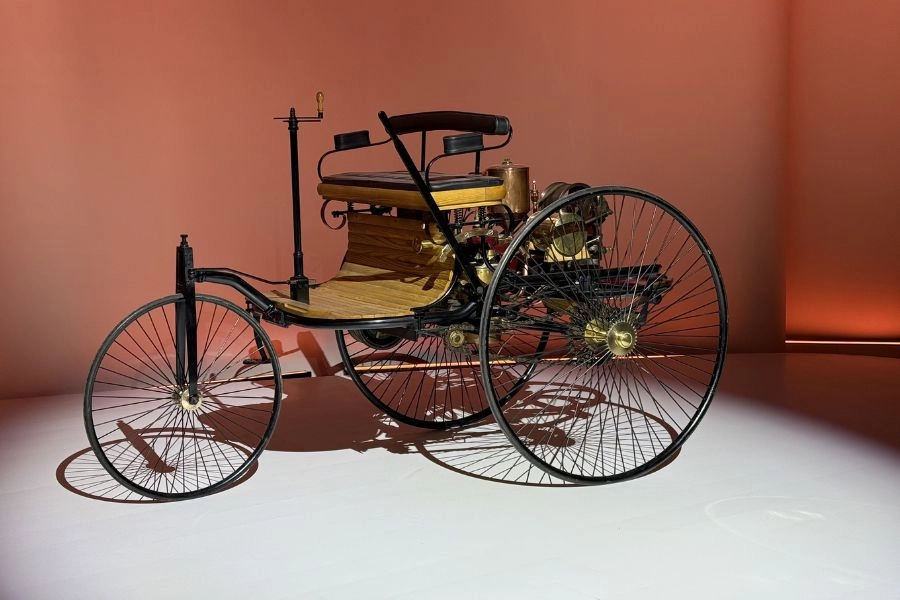
The S-Class has always carried an unmistakable sense of authority. It arrives with presence, commands attention without asking for it, and wraps its occupants in a level of refinement that feels almost otherworldly. Yet beneath the polished chrome, the acres of leather, and the quiet luxury lies something more intriguing. There is a subtle edge, an understated dominance. Especially when finished in black or silver.
Over the decades, the S-Class has evolved not just as a product, but as a statement. It has been the car that defines what the rest of the industry eventually follows. Whether you are in engineering, marketing, or even just an enthusiast, you know what an S-Class is, and more importantly, why it matters.
Today, we look back at this remarkable journey. From its earliest origins to the latest generation launched in India, this is the story of how the S-Class became what Mercedes-Benz proudly calls ‘the best car in the world.’”
The S-Class before the S-Class
The S-Class name may have arrived in 1972, but its story began much earlier. In 1951, Mercedes Benz introduced the W187, better known as the 220. It brought back the inline six engine after the war and used an overhead camshaft drawn from the brand’s racing experience. Power was modest, but it set the foundation for the refinement that would define generations to come.
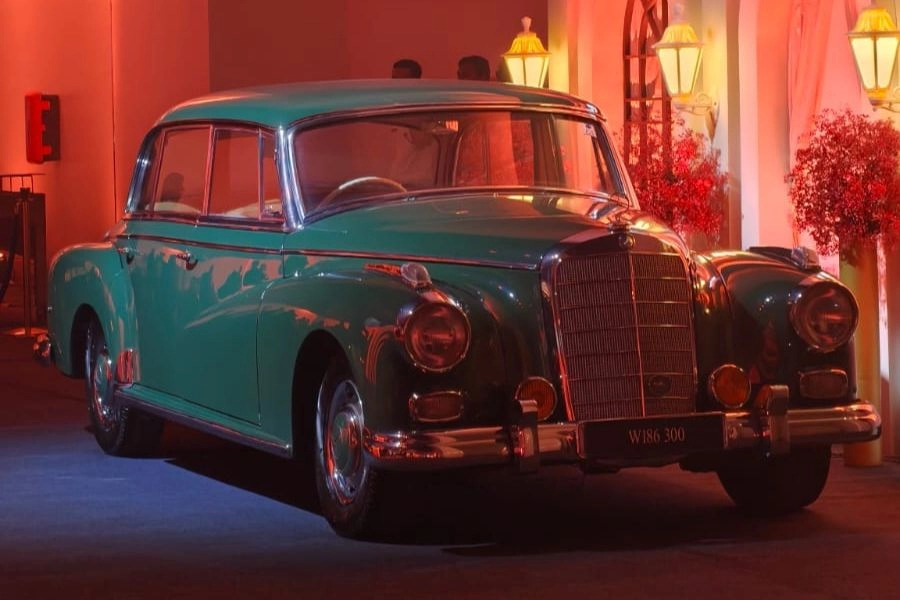
By the mid 1950s came the Ponton cars, including the W180 and its siblings. These models marked a major shift to a unibody construction, moving away from the older body on frame setup. The 2.2 litre engine continued, gaining fuel injection by 1958 and becoming more advanced with time.
In 1959, the W111 and W112 arrived, known as the Fintail models. While the design stood out, the real focus was safety. These cars introduced crumple zones, along with features like padded steering wheels, disc brakes and air suspension. It was here that the blueprint of the S Class truly began to take shape.
1972–1980: W116 S-Class, The First Official S-Class
In 1972, Mercedes Benz introduced the W116, the first model to officially wear the S-Class badge. The name itself came from the German term Sonderklasse, which translates to special class, a fitting description for what this car represented.
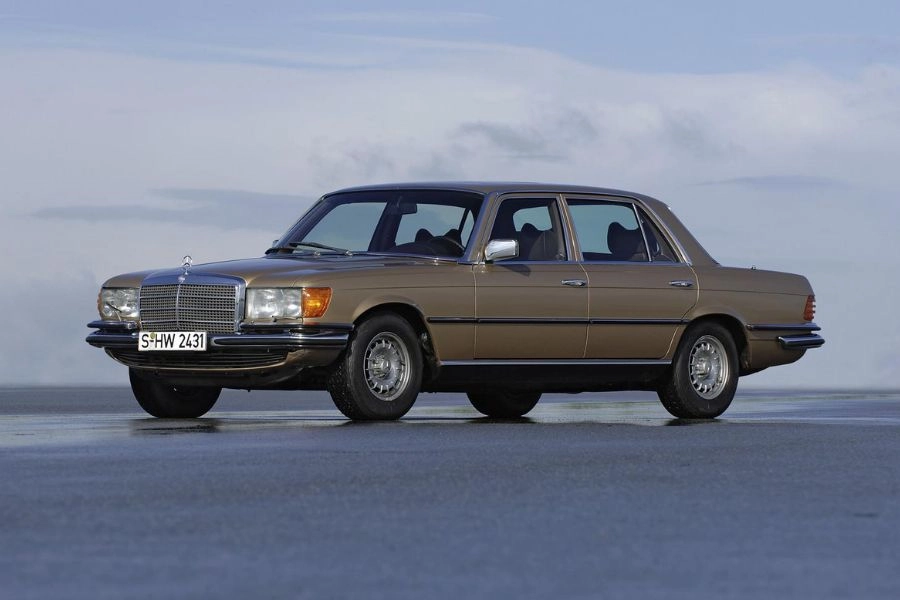
The W116 brought independent suspension on all four wheels and disc brakes as standard, setting new benchmarks for ride and control. But the real story was safety. This generation introduced crumple zones, extensive interior padding, improved visibility systems, and better occupant protection overall. It was among the first cars to offer ABS, and an airbag system.
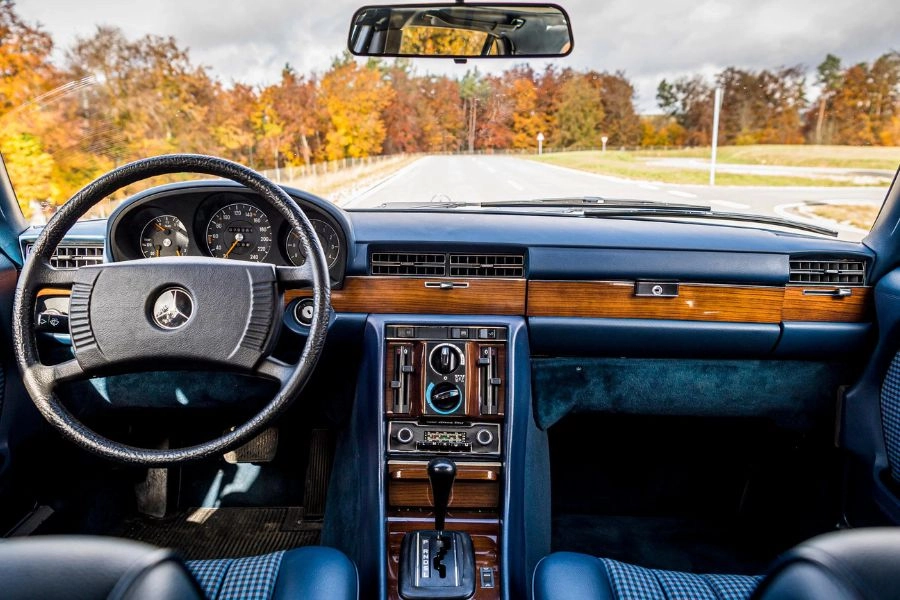
Under the hood, the range included inline six and V8 engines, with the 450 models leading the lineup. Despite the oil crisis, Mercedes pushed ahead with the iconic 450 SEL 6.9, a powerful flagship that combined performance with advanced suspension.
The W116 was also the first mass produced car to offer a turbo diesel, expanding its appeal globally. In 1974, the 450 SE was named European Car of the Year, reinforcing its impact.
More than just a luxury sedan, the W116 defined what the S Class would stand for. Technology, safety, and presence.
1979–1991: W126 S-Class, Sacco’s Legacy
Designed under the leadership of Mercedes Benz design head Bruno Sacco, the W126 arrived in 1979, replacing the W116 and taking the S Class formula to a whole new level. If the previous generation established safety, this one refined everything around it. The design was cleaner and more aerodynamic, while engineering improvements focused on efficiency and long distance comfort.
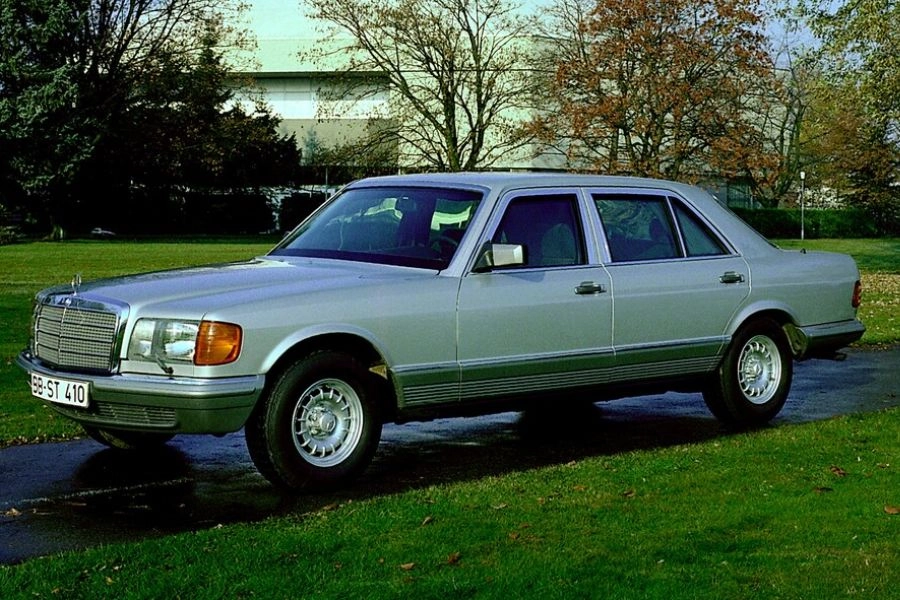
Inside, the W126 felt more advanced than ever. Features like improved climate control, heated seats, and better cabin lighting elevated the experience. But it was safety where it truly stood out. The W126 introduced a driver airbag in 1980, followed by a passenger airbag later in the decade, along with seat belt pretensioners and traction control. At the time, very few cars offered anything close.
Engine options ranged from inline six units to V8s, with the larger motors delivering the effortless performance expected of an S Class. The iconic SEC coupe also made a return, adding a more personal and stylish take on the flagship sedan.
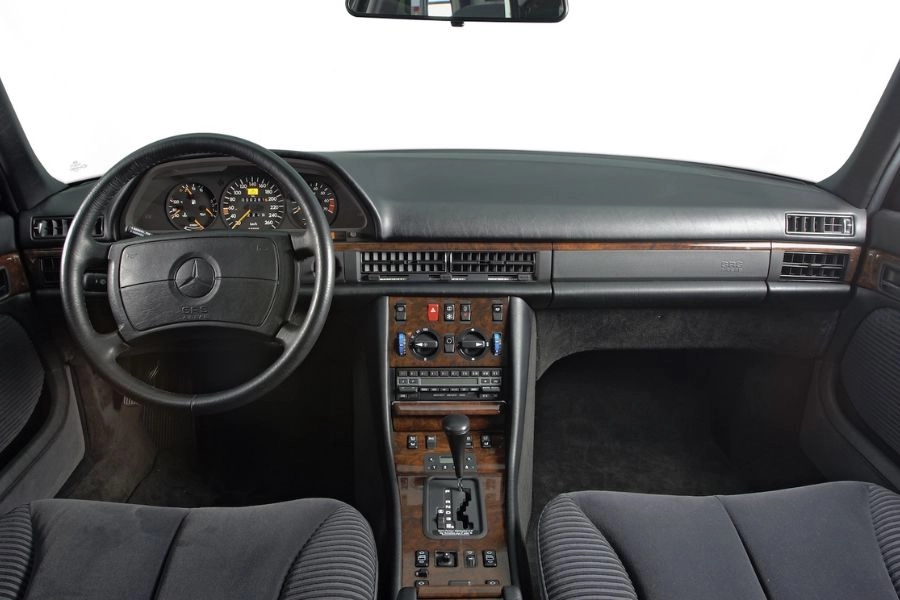
A mid cycle update in the mid 1980s brought subtle design changes and improved engines, keeping the W126 fresh through its long production run.
By the time it went out of production in 1991, the W126 had firmly established itself as the definitive S Class. Refined, advanced, and built to lead.
1991–1998: W140 S-Class, Engineering at its Peak
In 1991, the W140 replaced the highly successful W126, marking one of the most ambitious chapters in S Class history. This was a car developed without compromise. It was larger, heavier, and significantly more complex, offered in two wheelbase options along with a dedicated coupe.
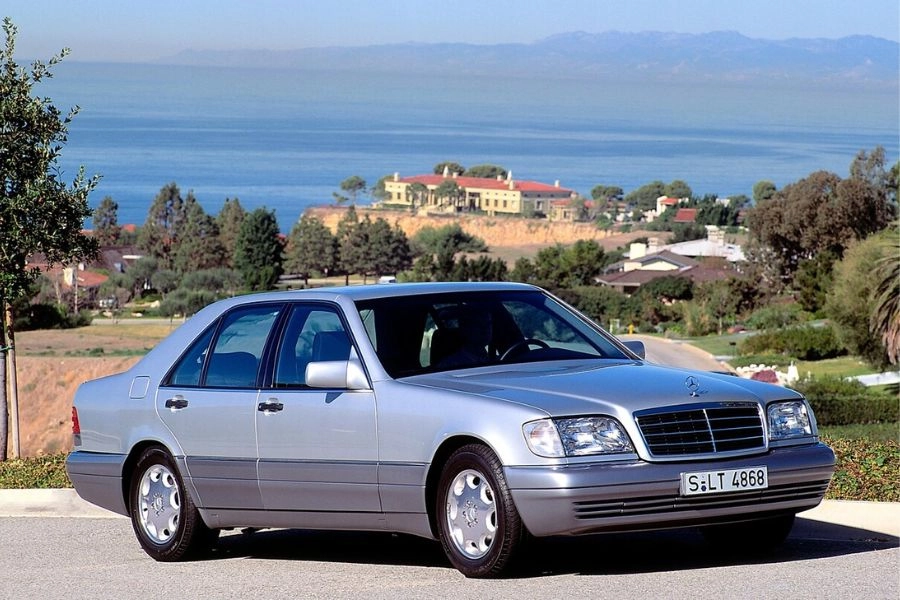
Everything about the W140 was over engineered. It introduced double glazed windows for improved insulation, soft closing doors and boot, and electric windows with jam protection. Even the heating system was designed to continue supplying warm air after the engine was switched off using residual heat. In the United States, it also featured retractable rear parking markers that extended when reversing to help judge the car’s size.
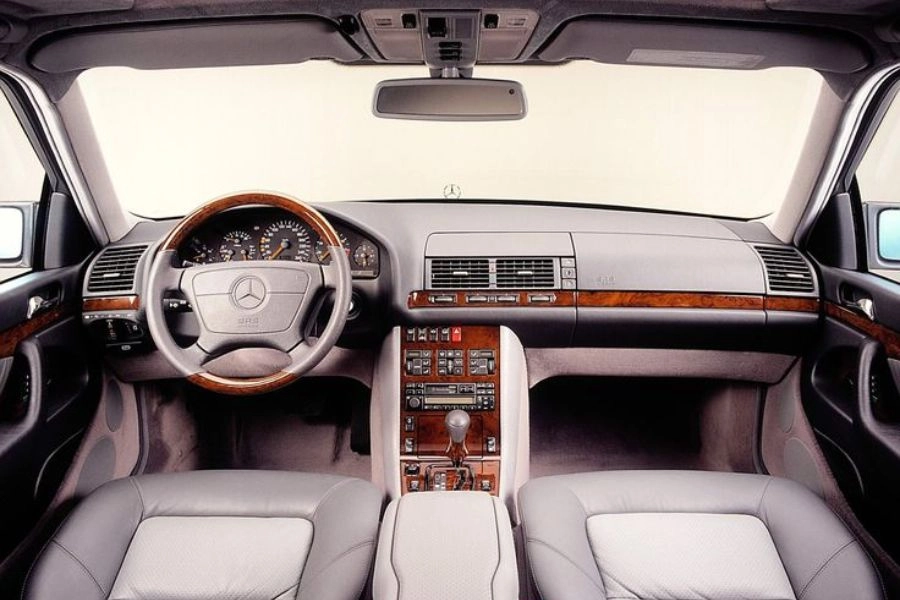
Under the skin, the W140 pushed boundaries further. Mercedes delayed its launch to develop a new V12 engine, responding to competition at the time. This resulted in a completely reworked engine bay and upgraded braking systems to handle the added performance.
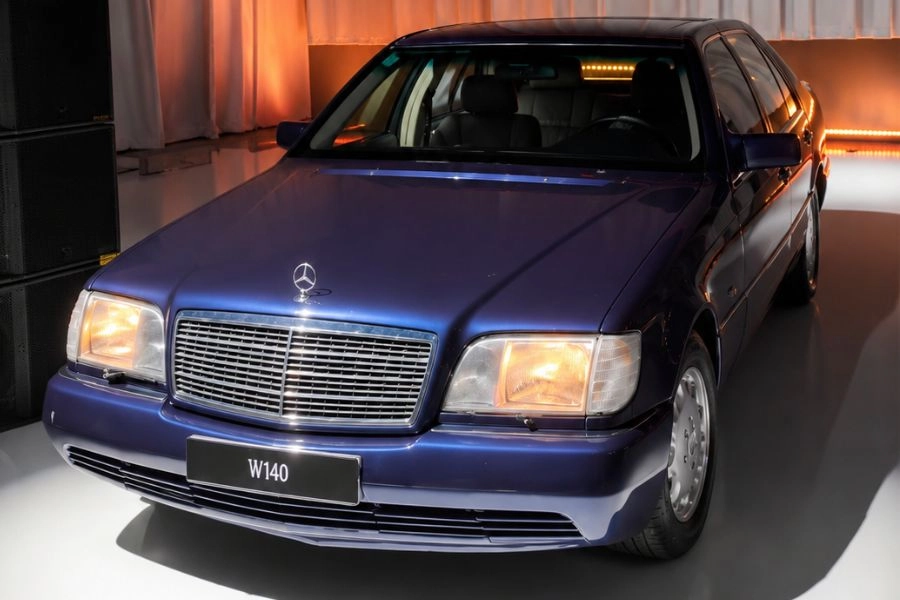
Despite its engineering brilliance, the W140 faced challenges. Its high development costs made it significantly more expensive than its predecessor, and global economic conditions at the time affected demand. At the same time, new luxury rivals from Japan entered the market with aggressive pricing, shifting buyer expectations.
Even so, the W140 remains one of the most iconic S Class generations ever built. In markets like China and the Middle East, it earned nicknames that translate to power and presence, a reflection of the impact it left behind.
1998–2005: W220 S-Class, The Millennium Mercedes
In 1998, Mercedes Benz introduced the W220, taking the S Class in a completely different direction. Compared to the W140, this generation was smaller and lighter, yet more spacious inside, reflecting a clear shift towards efficiency and modern packaging.
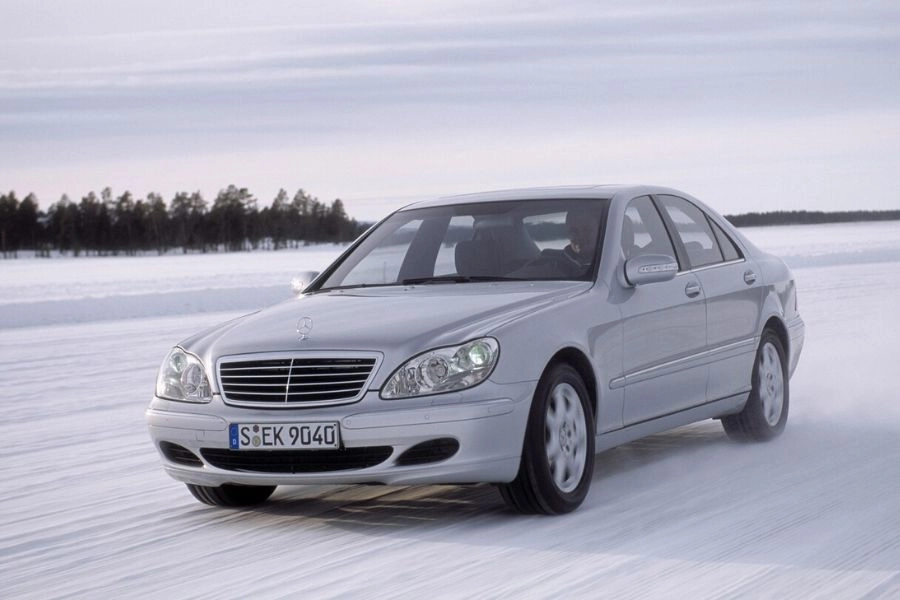
The focus moved from sheer over engineering to intelligent technology. The W220 introduced air suspension under the Airmatic system, significantly improving ride comfort and adaptability. Inside, it brought a more digital experience with a central screen and the command interface, which controlled navigation and infotainment functions.
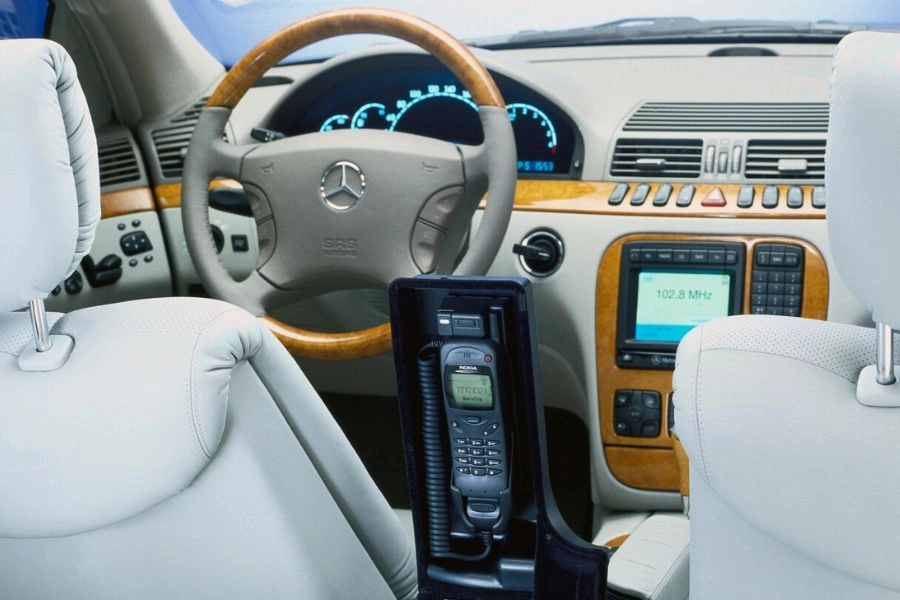
New features such as keyless entry and ignition, radar based cruise control under the Distronic system, and active cylinder control highlighted the increasing role of electronics in defining the luxury experience.
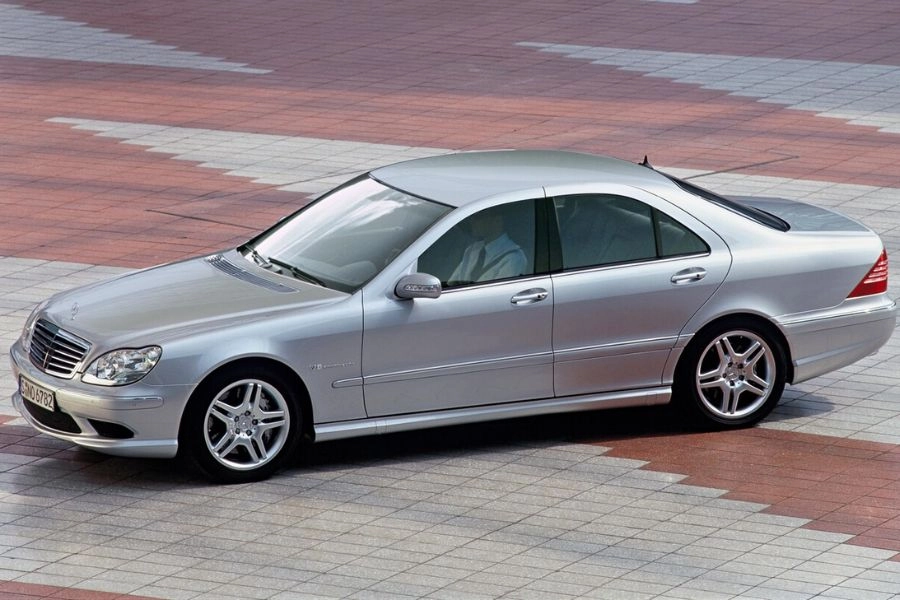
For India, the W220 holds particular importance. While earlier S Class models did make their way into the country through private imports, this was the first S Class to be officially launched by Mercedes Benz after entering the Indian market.
2005–2013: W221 S-Class, Technology Meets Presence
In 2005, Mercedes Benz unveiled the W221 S-Class. Compared to the W220, this generation brought back size, presence, and a stronger road identity, while continuing to push technology forward. The design was sharper and more defined, with wider arches and a more commanding stance. It was larger in every dimension and introduced a new range of engines that delivered noticeable gains in performance.
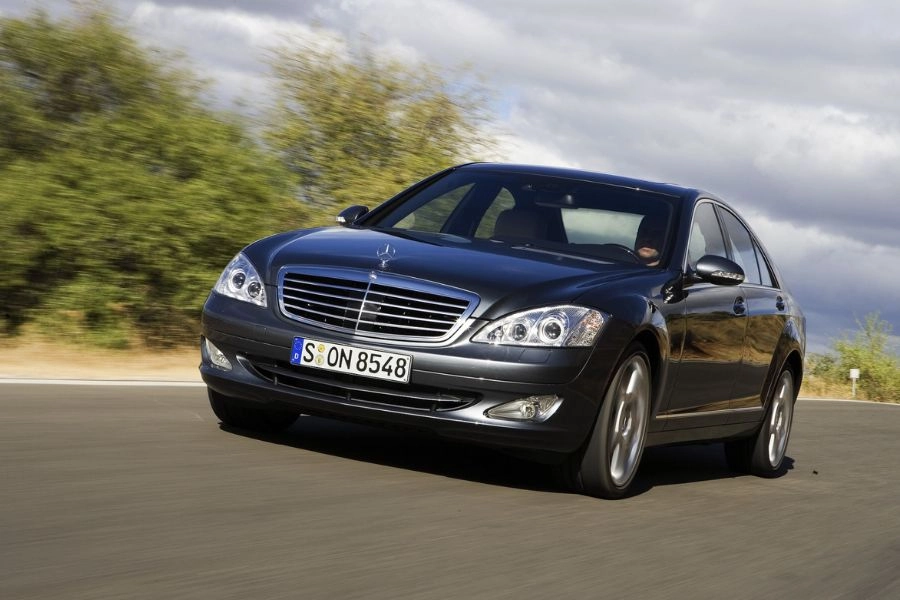
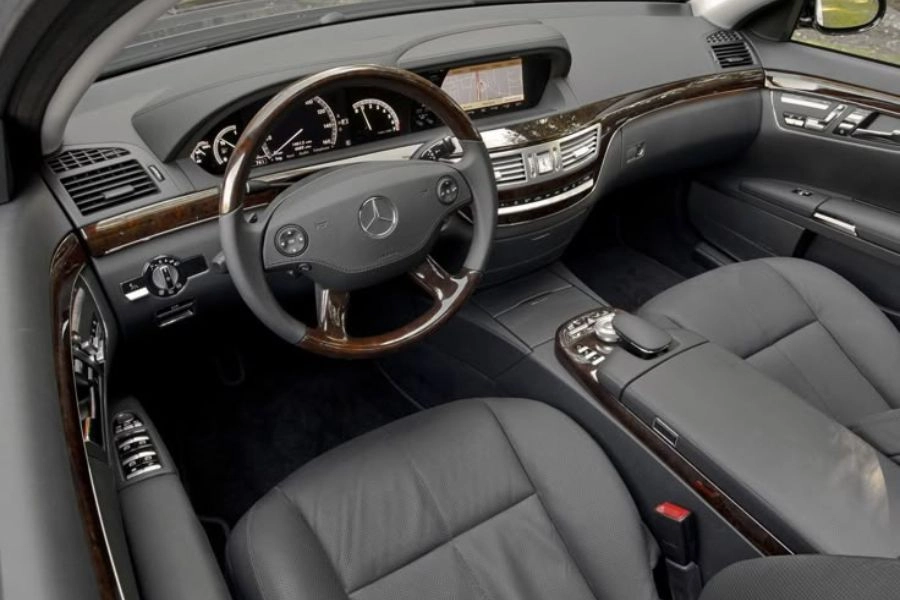
Inside, the W221 took a significant leap in perceived quality. Materials were upgraded across the board, with extensive use of leather, wood, and metal replacing the plastic heavy feel of its predecessor. The cabin also became more digital, featuring large display screens for the instrument cluster and the command system, bringing navigation, vehicle data, and entertainment into a more integrated interface.
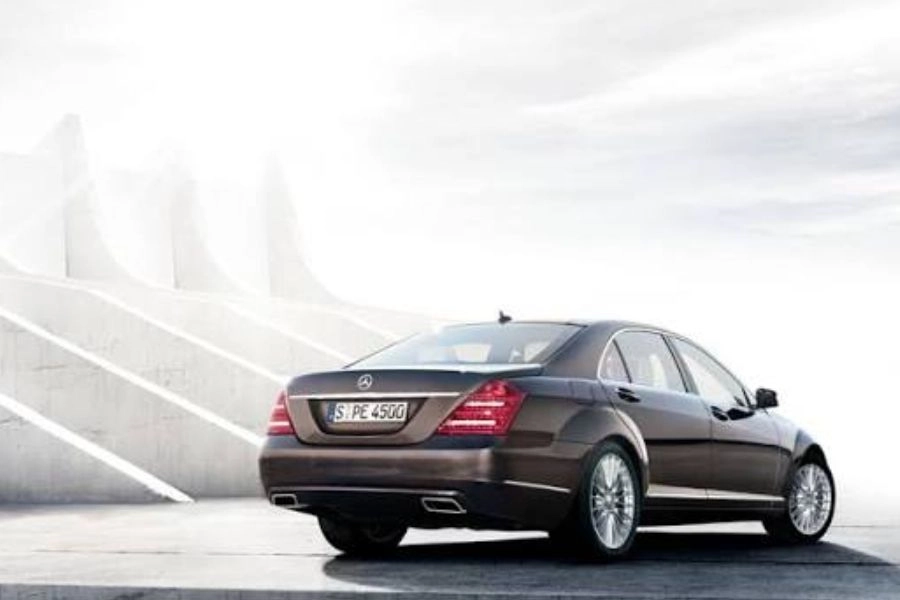
Technology remained a key focus. Features like Night View Assist, which used infrared to improve visibility in low light conditions, and an advanced pre collision system showcased how the S Class continued to lead in safety and innovation. The shift to a column mounted gear selector also freed up space in the center console, improving usability.
In India, the W221 truly established the S-Class brand. It became the preferred choice for business leaders, Bollywood celebrities, and high-profile individuals. Its reputation was further cemented when an armoured version was used by the President of India, reinforcing its image as the benchmark luxury sedan in the country.
2013–2020: W222 S-Class, New Era of Luxury
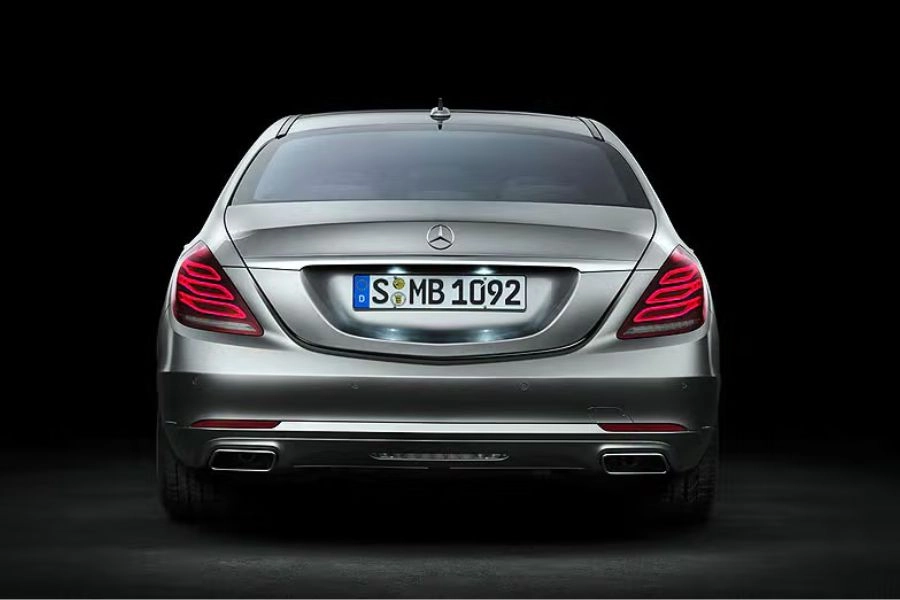
In 2013, Mercedes Benz introduced the W222 S-Class, a generation that focused on refinement, technology, and redefining modern luxury. It carried forward the presence of the W221 but elevated every aspect of comfort and sophistication.
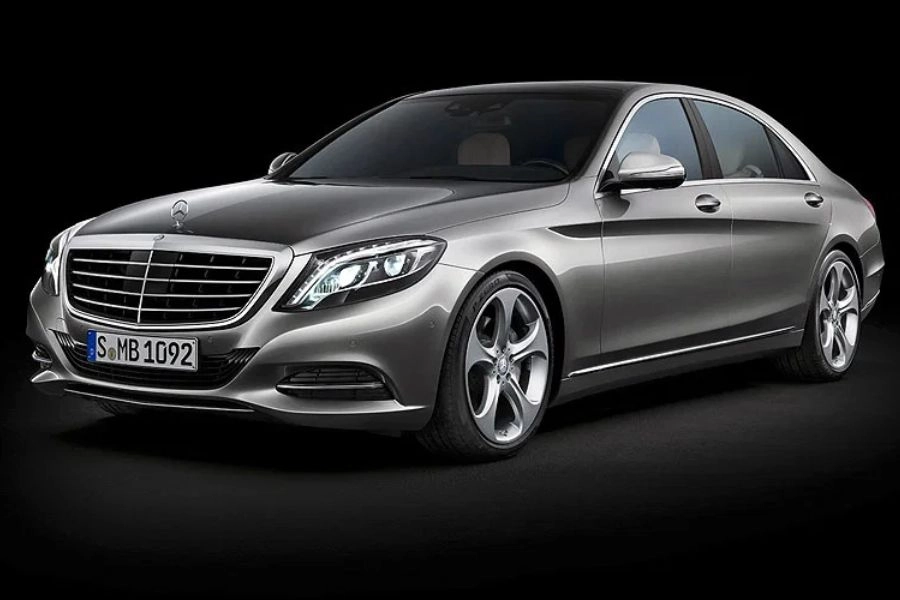
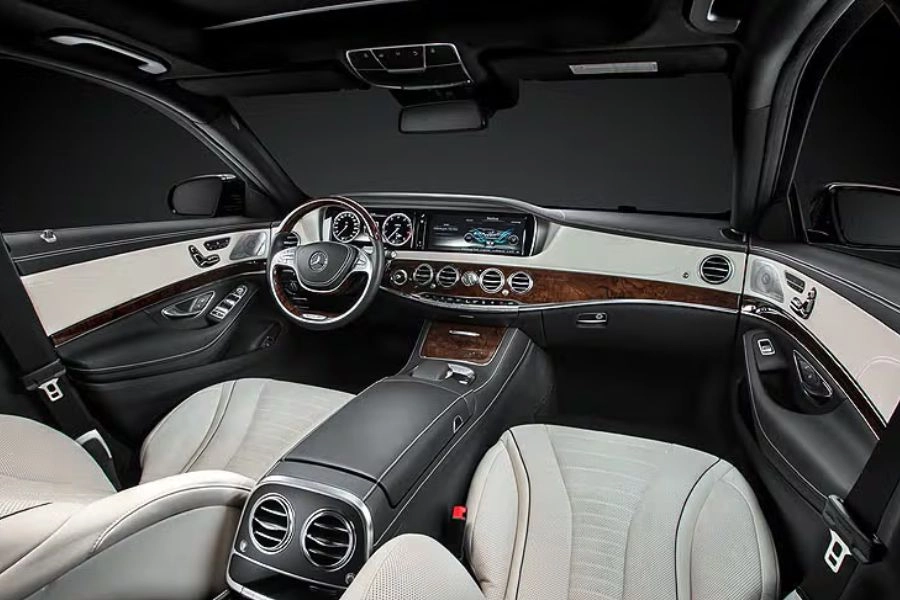
The design followed a more fluid and elegant approach, aligning with the brand’s newer design language seen across its lineup. Inside, the cabin set new standards. Dual high resolution displays dominated the dashboard, blending the instrument cluster and infotainment system into a seamless digital interface, while materials and craftsmanship reached an entirely new level.
Ride comfort became a defining highlight. The updated Magic Body Control system used cameras to scan the road ahead and adjust the suspension in real time, significantly improving ride quality by preparing the car for bumps before it reached them.
This generation also marked the return of the Maybach name, now positioned as a sub brand within Mercedes Benz. The Mercedes Maybach S-Class extended the S-Class experience even further, offering significantly more space, enhanced rear seat comfort, and features aimed at chauffeur driven luxury.
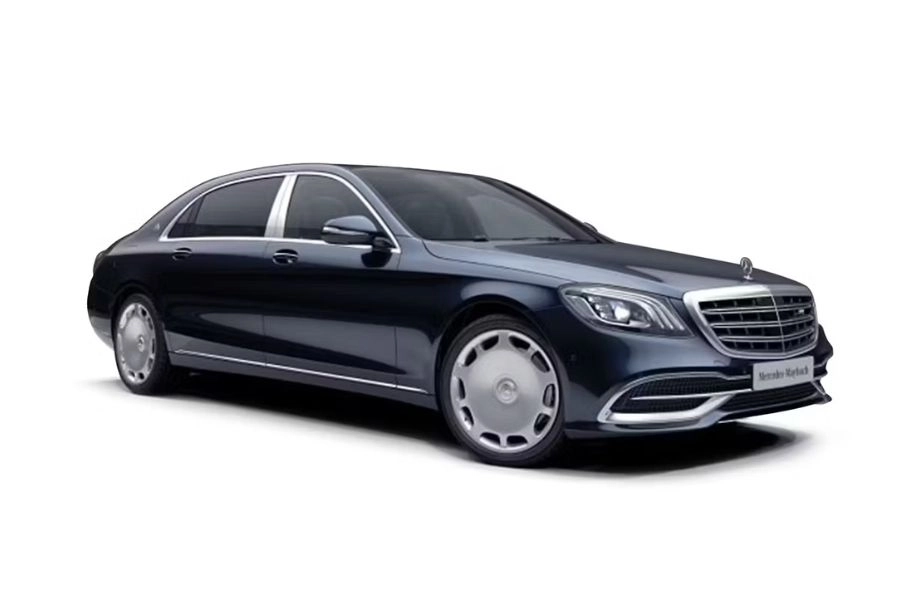
From reclining rear seats to advanced ambient systems and high end audio, it redefined what the back seat experience could be. For India, the W222 had added significance. The Maybach version was locally assembled, India being the second country to produce a Maybach.
2020–Present: W223 S-Class, The Digital Flagship
In 2020, Mercedes Benz introduced the W223, taking the S-Class into a deeply digital era. This generation moved away from coupe and convertible derivatives, focusing entirely on the sedan as the core of the lineup.
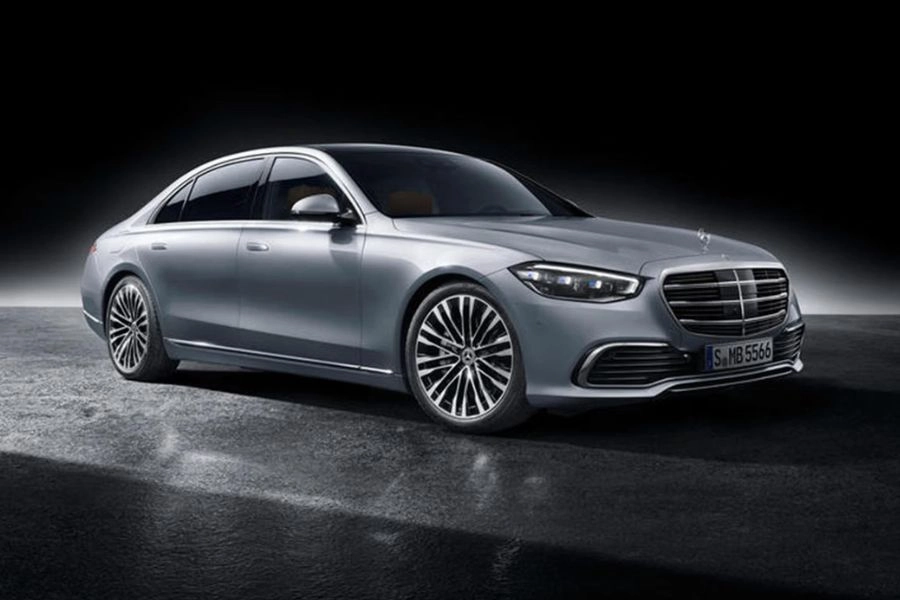
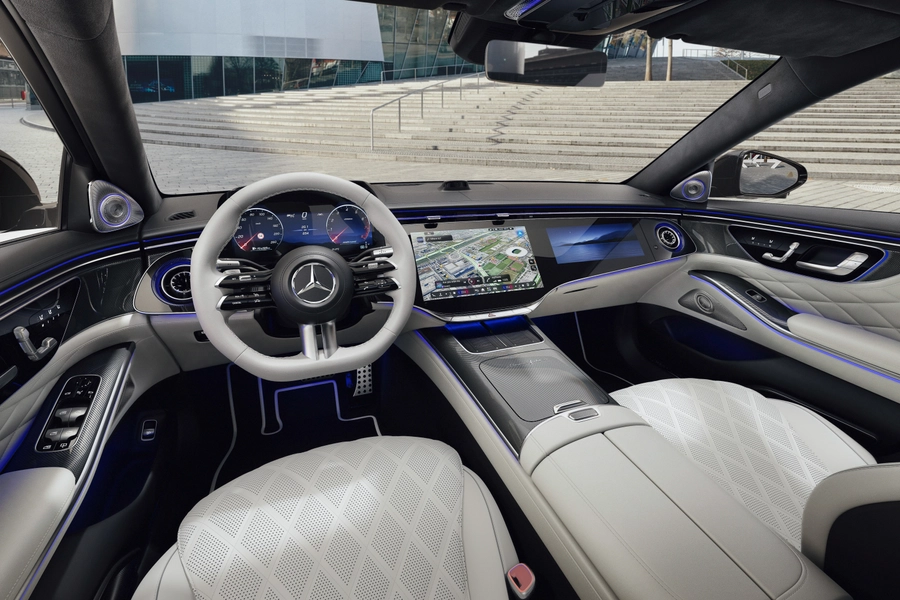
The biggest transformation came inside. The cabin became screen led, with up to five displays, including a large central touchscreen and an augmented reality head up display. The system blended navigation with real world visuals, adding a new layer of interaction. For the first time, rear seat airbags were introduced, designed with a unique structure that deploys using ambient air to improve passenger safety.
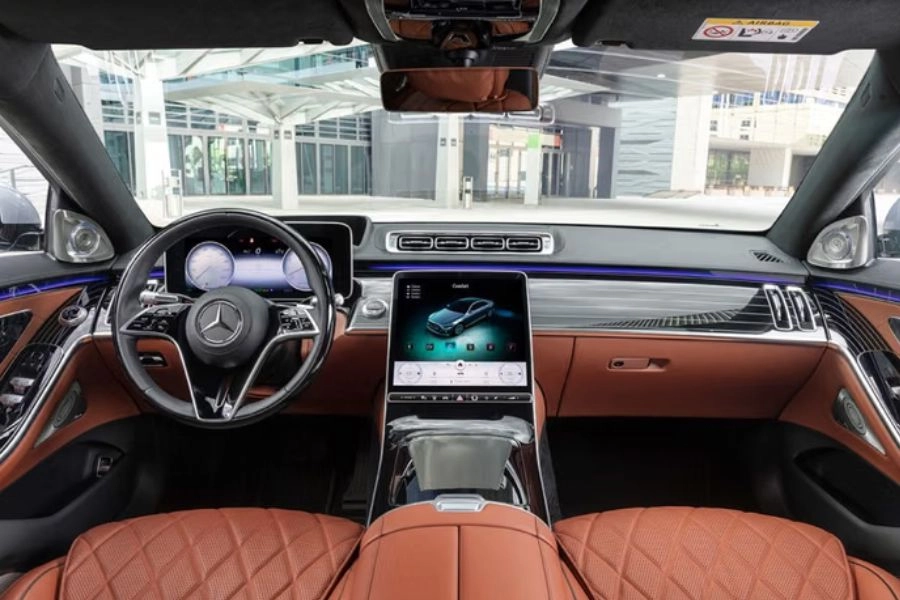
Technology extended beyond comfort. Advanced driver assistance systems, improved connectivity, and continuous software integration became central to the S Class experience. Performance also evolved, with the introduction of high output hybrid systems, including the AMG S 63 E Performance, combining a V8 engine with electrification.
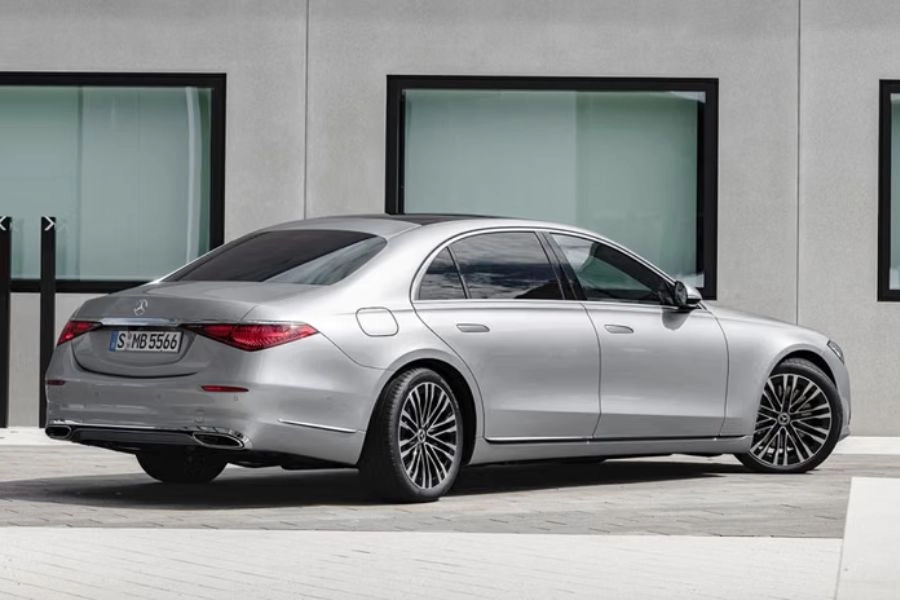
The W223 also retained the V12, now reserved for the ultra luxury Maybach variants, reinforcing its position at the very top of the range.
And just yesterday in India Mercedes Benz introduced the comprehensive mid cycle update for any S-Class. The changes were extensive, with a large number of components reworked. The exterior received a redesigned front with an illuminated grille and star themed lighting elements integrated into the headlamps and tail lamps.
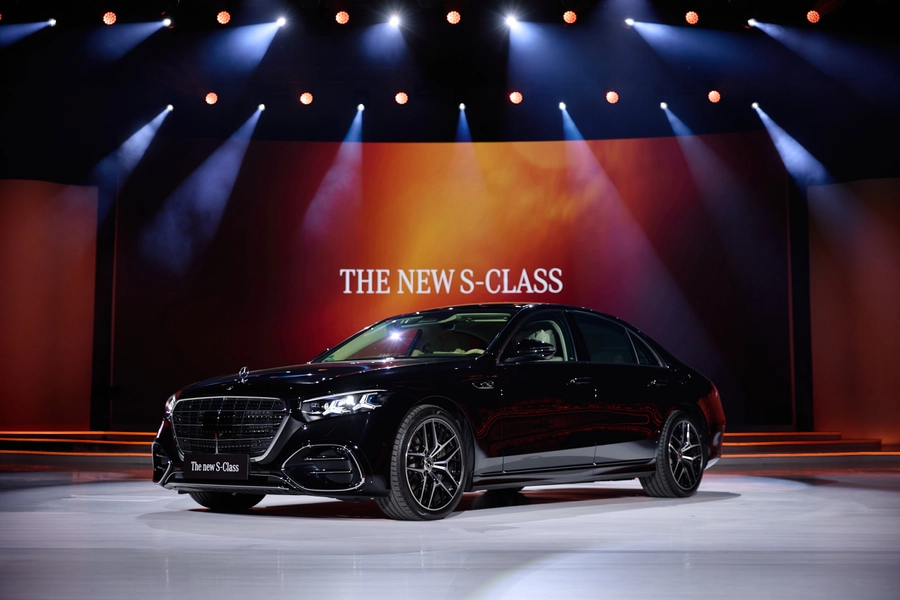
Inside, the update focused on software and luxury. A new operating system powered by an advanced onboard computer improved responsiveness and enabled features like integrated streaming apps for rear passengers. The layout was refined to improve ergonomics, while rear seat occupants gained more control through dedicated interfaces.
Across generations, the S-Class has never stood still. From setting early benchmarks in safety and engineering to redefining luxury through technology and comfort, each iteration has reflected not just where the automotive world is, but where it is going. What began as Sonderklasse, meaning special class, continues to live up to its name, not by following trends, but by consistently setting them.
Pingback: Force Motors Builds 200,000th Mercedes-Benz Engine: Check Which Merc Received It - Shutterdrives