
For decades, the pickup truck in India has been associated with one thing: work. It carried vegetables, construction material, tools and just about anything else that needed to be transported. The idea of buying a pickup truck simply because you liked the way it looked or because you wanted to take it off road on a weekend was almost unheard of.
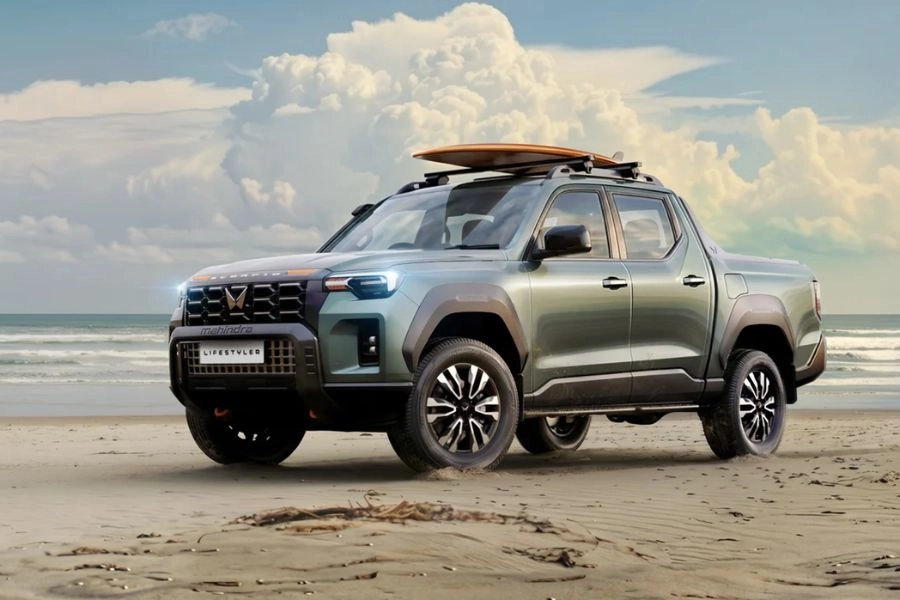
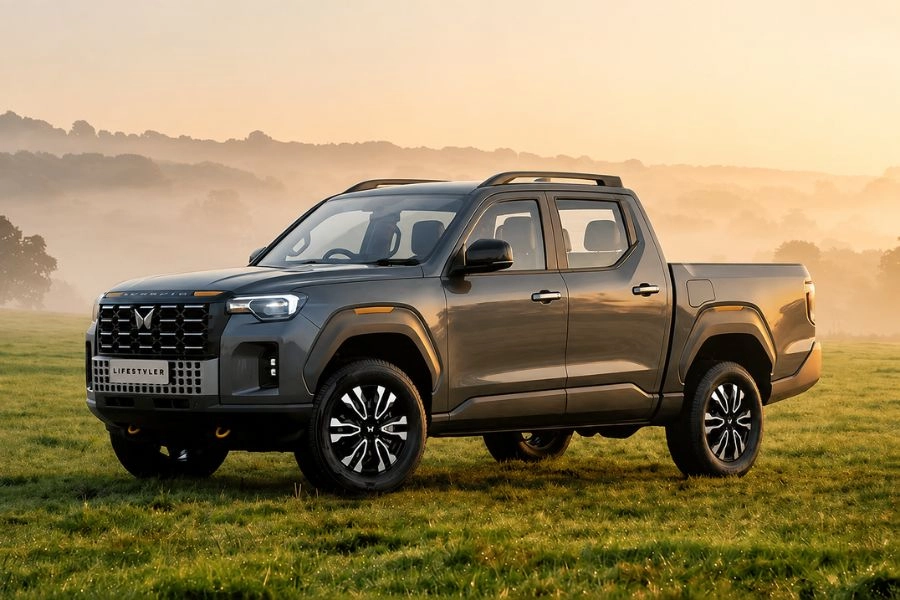
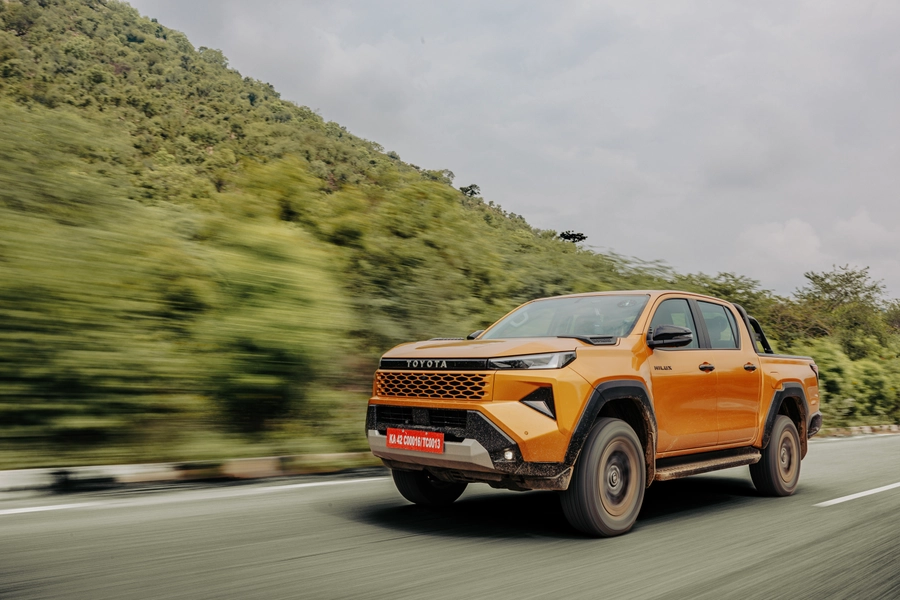
But that is slowly changing. In the last decade, India has seen a steady rise in demand for lifestyle vehicles, and pickup trucks are now beginning to find their place in that conversation. Toyota launched the ninth generation Hilux in July 2026, while Mahindra has unveiled the Scorpio Lifestyler, which is expected to go on sale in April 2027. Both are products aimed at buyers who do not necessarily need a pickup, but want one.
So, is India finally ready for lifestyle pickup trucks?
To understand where the market is today, we need to go back to the early 1980s and 1990s. Tata Engineering and Locomotive Company, better known as Telco, entered the pickup space with the Tatamobile 206 . It was primarily a commercial vehicle, but it eventually spawned products such as the Sierra, Estate and the Telco Line.
The Telco Line was one of India’s first proper lifestyle oriented pickups. However, the timing was not quite right. India was still a largely closed economy and private car ownership was relatively low. The concept of spending a significant amount of money on a pickup truck purely for personal use simply did not make much sense to most buyers.
There was also an image problem. A pickup was a commercial vehicle. If you were spending money on a personal vehicle, an SUV or a sedan made far more sense from a social and practical standpoint.
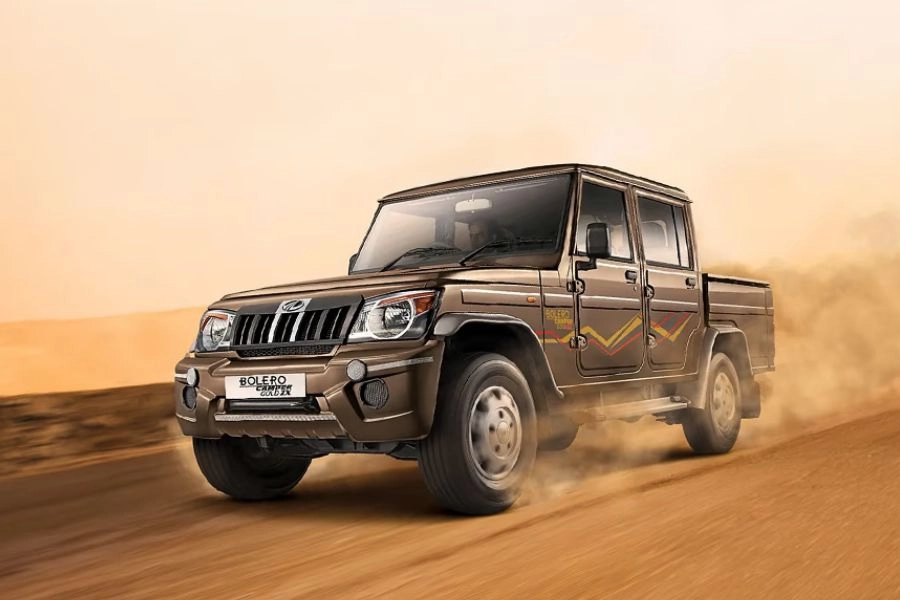
That did not mean India had no pickup market. Far from it. Mahindra and Tata Motors have had tremendous success with products such as the Bolero Camper and Tata Yodha. Smaller commercial vehicles have also made the pickup format extremely popular.
The difference was that these vehicles were bought because they were useful. The lifestyle pickup had to convince buyers to buy it because they wanted it.
The next major attempt came in the 2000s. Mahindra introduced the Scorpio Getaway, essentially a pickup version of the Scorpio, while Tata Motors introduced the Xenon. Both were sold in India after initially being developed with export markets in mind.
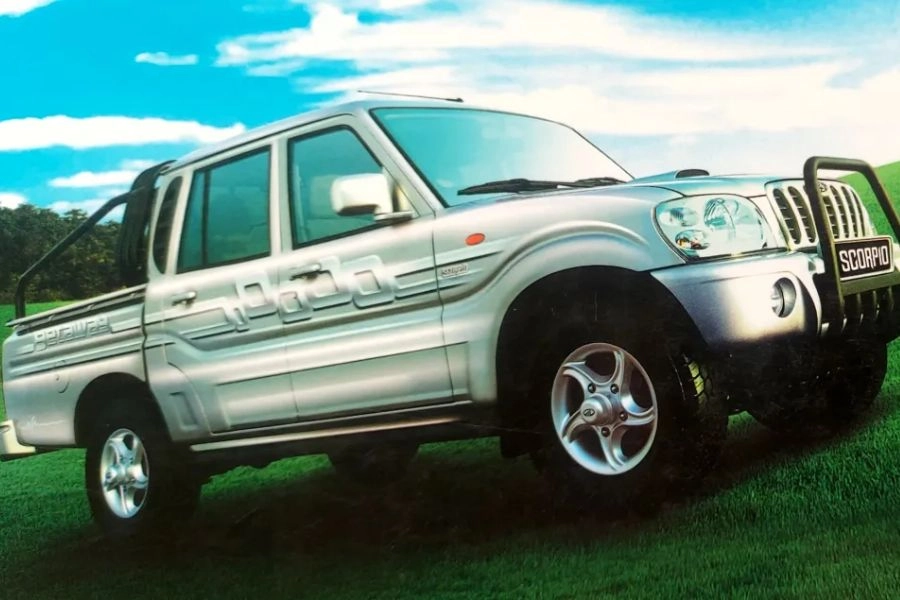
On paper, both products made sense. They offered the ruggedness of a pickup with the road presence and lifestyle appeal of an SUV. The duo were even available with four wheel drive.
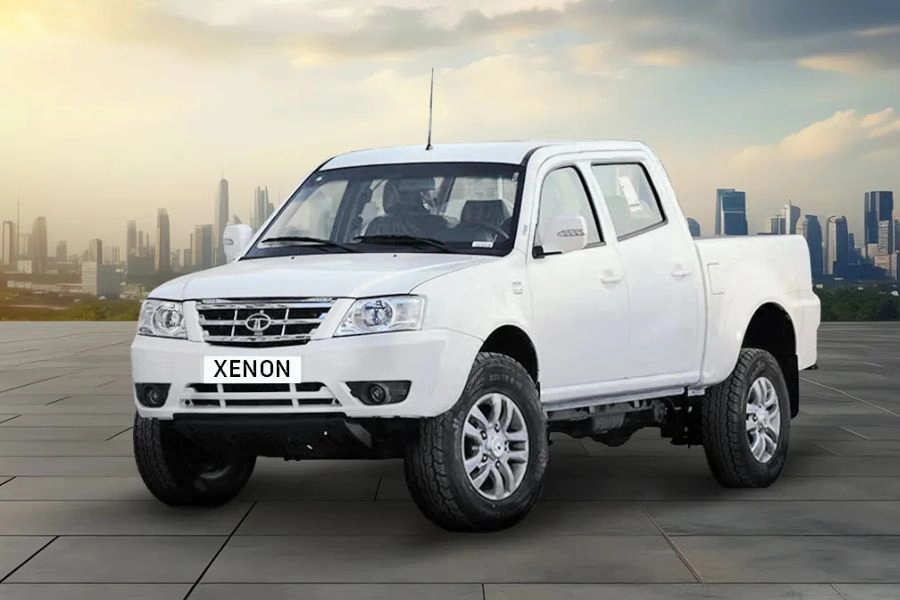
But the market still wasn’t ready. India had opened up to international manufacturers, but the passenger vehicle market was still relatively young. The country had only recently begun seeing a much wider variety of cars, and buyers were still developing their preferences.
The image of a pickup as a commercial vehicle remained firmly entrenched. Someone with money to spend on an aspirational vehicle was more likely to buy a Scorpio, Thar, Gypsy or another 4×4 SUV than a pickup.
The Scorpio Getaway and Xenon eventually disappeared from the Indian market, proving that simply offering a lifestyle pickup was not enough.
The real turning point came in 2017 with the Isuzu D Max V Cross. Unlike earlier attempts, the V Cross was marketed as a lifestyle product from the beginning. It wasn’t simply a commercial pickup with some extra equipment. It was positioned as a vehicle for people who wanted to travel, explore and spend their weekends outdoors. It appealed to bikers, campers, off road enthusiasts and people who simply wanted something different.
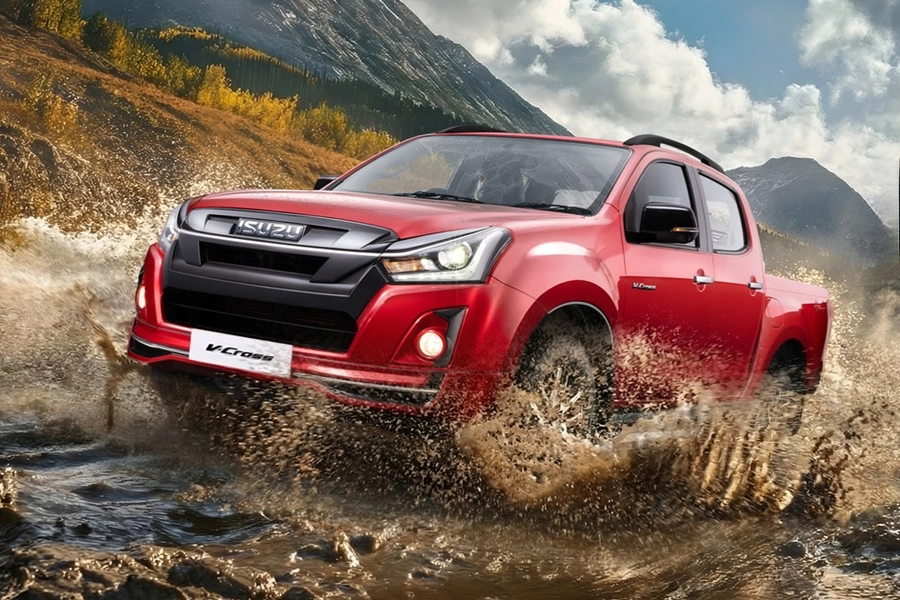
More importantly, the India of 2017 was very different from the India of the 1990s. Household incomes had increased, car ownership had grown and people had more disposable income. The idea of spending money on something that was not necessarily the most practical choice was becoming increasingly acceptable. The V Cross therefore found an audience where the earlier pickups had struggled.
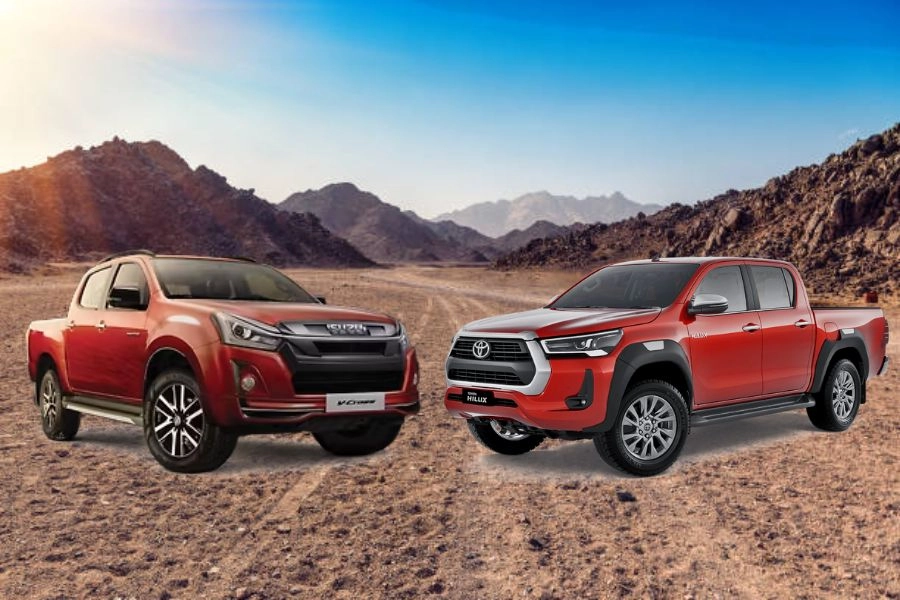
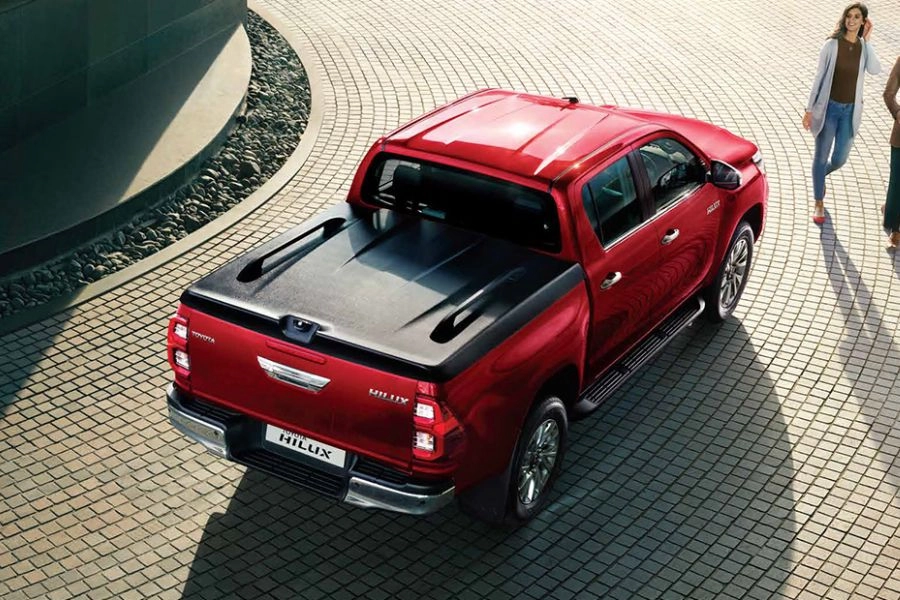
Toyota brought the Hilux to India in 2022, adding one of the world’s most recognised pickup names to the segment. The Hilux had something the earlier lifestyle pickups did not have to the same extent: enormous global credibility. It was already known for its durability and off road ability, and Indian buyers quickly began turning their Hiluxes into personal projects. Lift kits, larger tyres, accessories, camping equipment and off road modifications became part of the ownership experience.
At around the same time, another vehicle was proving that Indians were becoming far more comfortable with lifestyle vehicles: the second generation Mahindra Thar. Launched in 2020, the Thar demonstrated that buyers were willing to sacrifice some amount of practicality for character. You could use it to commute to work during the week and head out on a trail during the weekend.
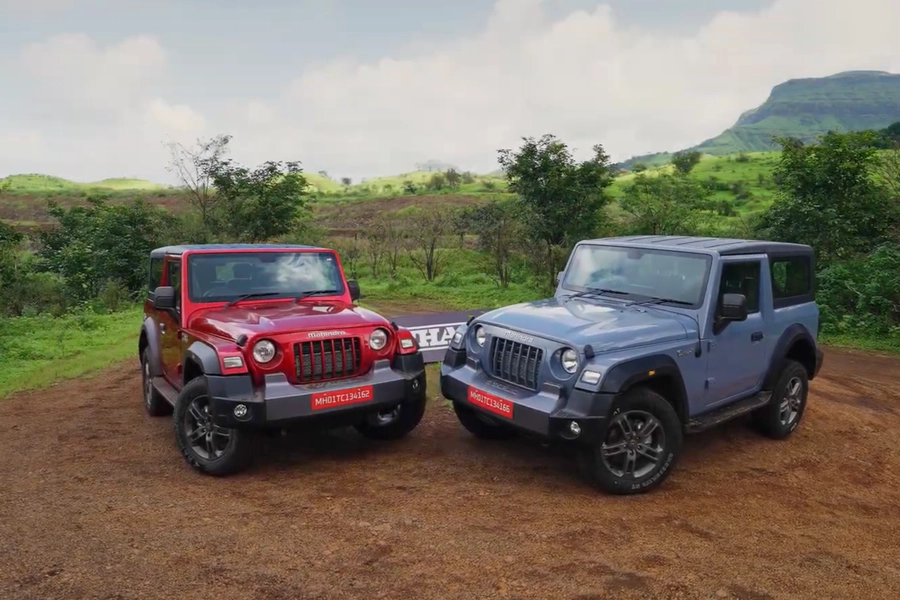
The Thar Roxx took this idea further in 2024 by adding two doors and more practicality without abandoning the lifestyle positioning. The combined Thar and Thar Roxx have consistently attracted thousands of buyers every month, showing that there is a sizeable audience for vehicles purchased as much for their personality as their practicality.
COVID also accelerated this change. After months of restrictions, people wanted to travel, explore and spend more time outdoors. The idea of making the most of life became more important, and lifestyle vehicles benefited from that change in attitude.
This is where the current generation of lifestyle pickups becomes interesting. The buyer entering the market today is not the same person who considered a Telco Line in the 1990s or a Scorpio Getaway in the 2000s.
The children of those early car buyers are now becoming buyers themselves. A generation that grew up with much greater access to cars, travel, the internet and social media is entering its peak earning years. For this buyer, a vehicle is not simply transportation.
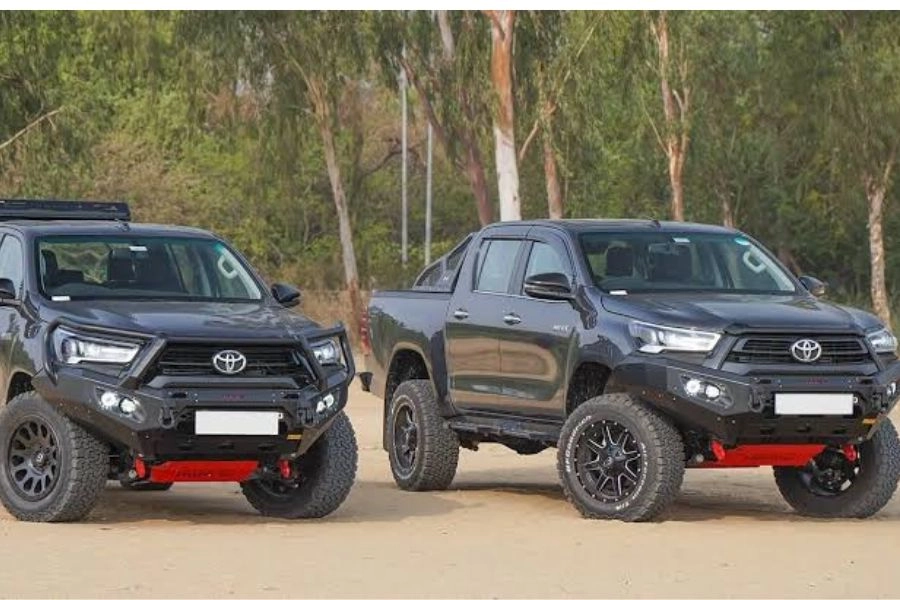
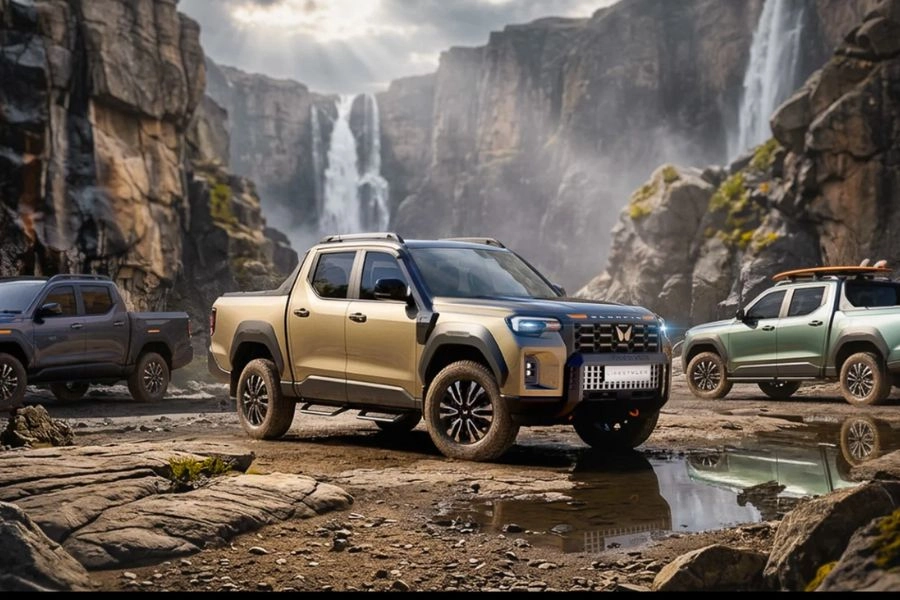
It can be a hobby. It can be a way to travel. It can be modified and personalised. It can become part of their identity. That is exactly where a lifestyle pickup makes sense. A Toyota Hilux or the upcoming Mahindra Scorpio Lifestyler does not have to compete purely on practicality. The buyer can choose one because they want the space in the back, the four wheel drive capability, the road presence or simply because they want something different from another SUV.
Social media has also played a role. Modified pickups, camping builds, off road trips and overlanding have created an entire culture around these vehicles. What was once seen as an unusual choice can now become part of a person’s lifestyle.
So, are we ready? The answer is probably yes, but with a major caveat. India is not going to suddenly become a pickup truck market like North America. The sheer size, cost and practicality of American pickups make them difficult to replicate here. But India does not need millions of pickup buyers for the segment to succeed.
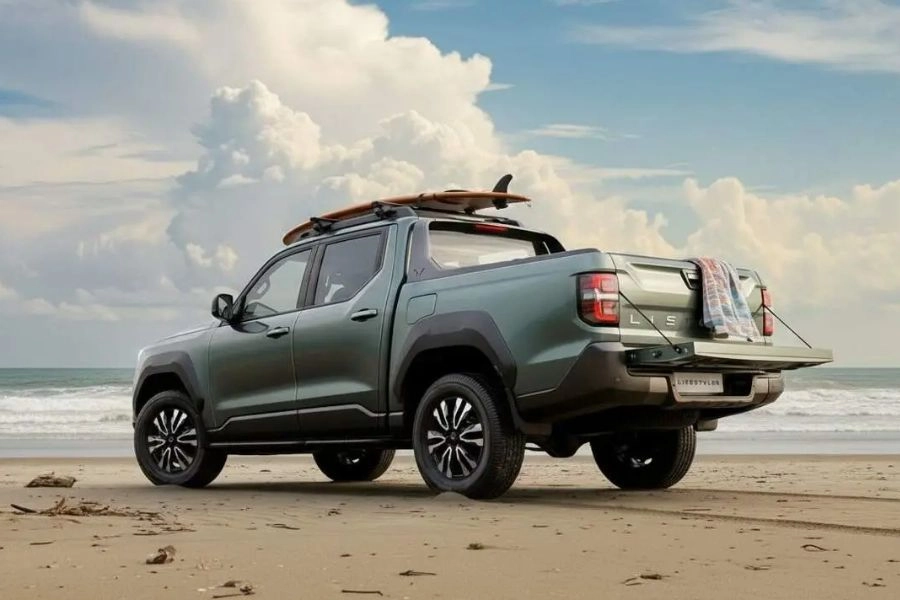
It only needs a sufficiently large group of people willing to pay a premium for something different. The history of the segment tells us that the product was never necessarily the problem. The timing was. The Telco Line arrived when the idea was unfamiliar. The Scorpio Getaway and Xenon arrived when the image of a commercial pickup was still too strong. The V Cross arrived when India was becoming more affluent and adventurous. The Hilux arrived when lifestyle vehicles were becoming mainstream.
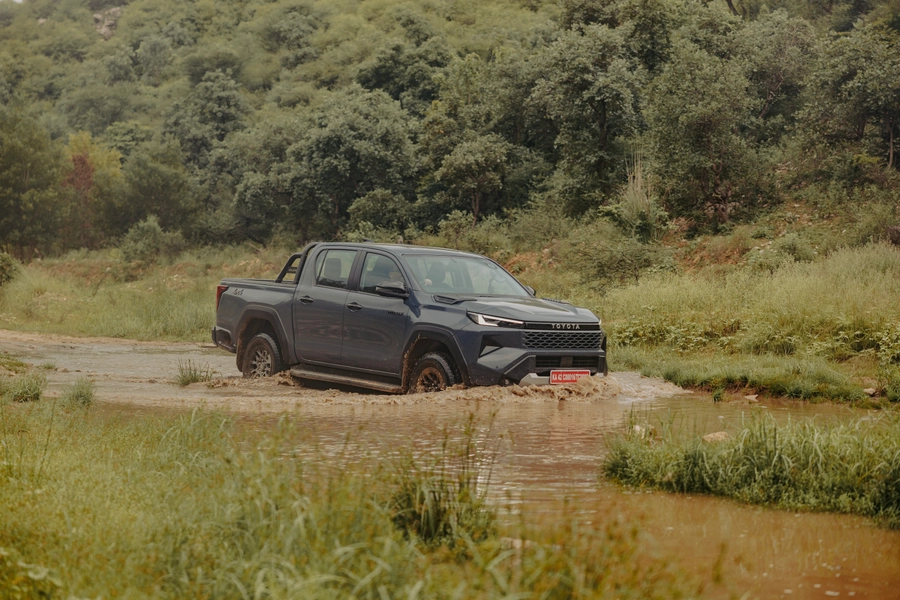
Now, with the ninth generation Hilux and Mahindra’s upcoming Scorpio Lifestyler, the market is entering another phase. The biggest question is no longer whether Indians understand what a lifestyle pickup is. It is whether enough Indians want one. And for the first time, there is a strong argument that they do.