
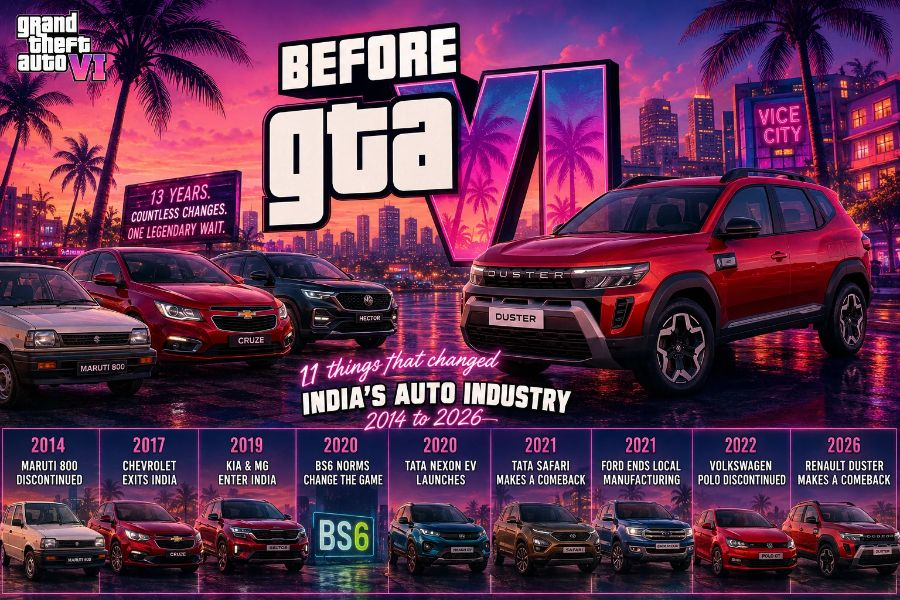
When Grand Theft Auto V arrived in September 2013, nobody knew that it would take more than a decade for its successor to finally arrive. What started as a long wait for another instalment in one of gaming’s biggest franchises turned into an internet phenomenon of its own. Over the years, the phrase ‘Before GTA 6’ became a way of measuring just how much time had passed, with people recalling everything that had happened since the release of GTA V.
And quite a lot has happened in the Indian automotive industry during that time.
Several iconic cars have disappeared, global manufacturers have walked away from the Indian market, new brands have arrived, and some legendary nameplates have made unexpected comebacks. The industry has also witnessed a major shift towards SUVs, electric vehicles and stricter emission standards.
Now that GTA 6 has finally dropped, here are 11 major events that have shaped the Indian automotive industry over the last 13 years.
1. Maruti Suzuki Discontinued The Iconic 800 In 2014
Few cars have had as much influence on Indian motoring as the Maruti Suzuki 800. For millions of Indian families, it was their first car and, for several decades, it remained one of the most recognisable vehicles on Indian roads.
However, after more than three decades in production, Maruti Suzuki discontinued the 800 in January 2014. The decision came as the company shifted its focus towards newer models and increasingly stringent safety and emission requirements.
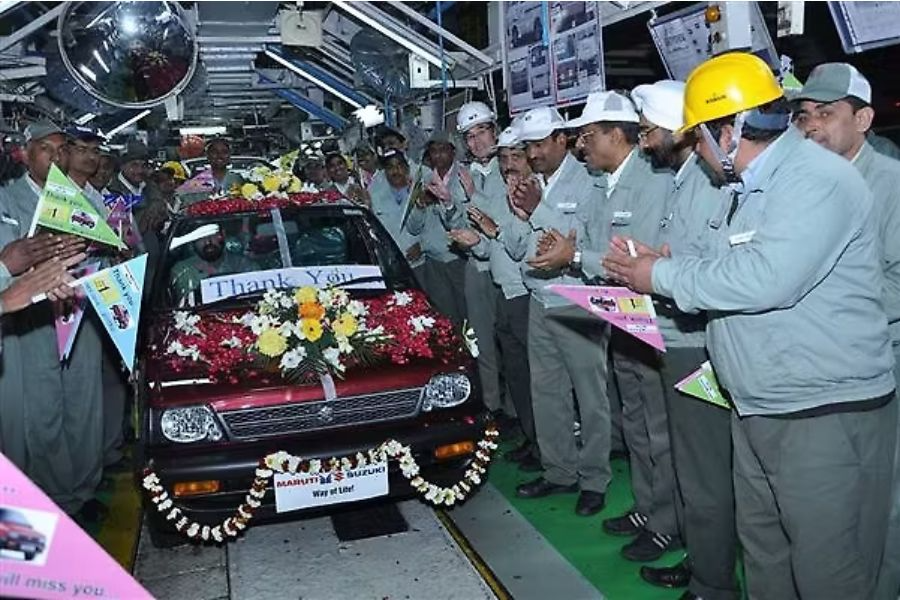
The 800 was more than just an affordable hatchback. It played a significant role in making car ownership accessible to India’s growing middle class. Its discontinuation marked the end of an era, although its legacy continues to live on among enthusiasts and owners across the country.
2. Chevrolet Exited The Indian Market In 2017
Chevrolet was once a familiar name in the Indian automotive market, with models such as the Beat, Spark, Cruze and Tavera finding their own audiences.
However, General Motors announced in May 2017 that it would discontinue Chevrolet sales in India by the end of that year. The company cited the investment required to build a competitive product portfolio and the difficulty of achieving sustainable profitability in the market.
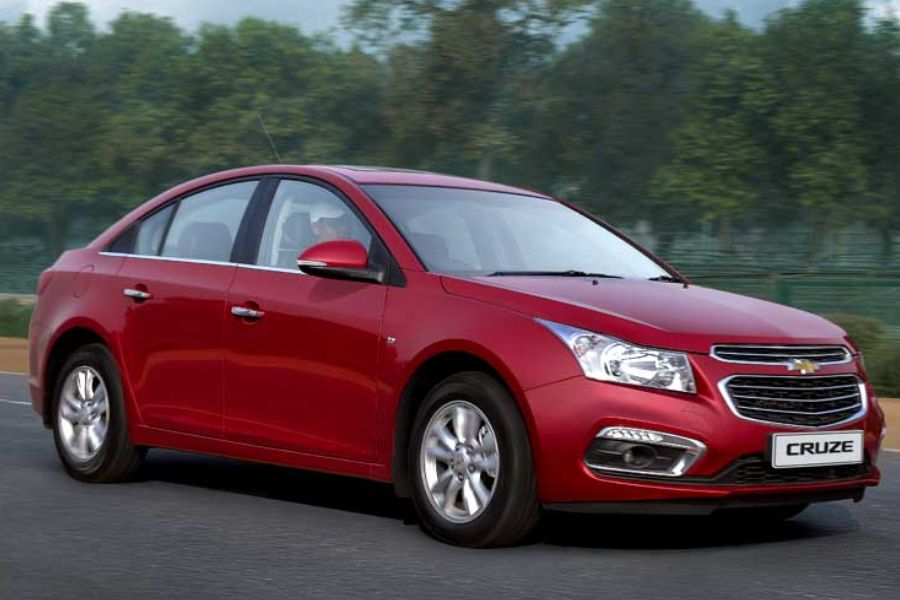
For enthusiasts, the exit was particularly disappointing. The Cruze had established itself as an appealing performance oriented diesel sedan, while the Beat had built a following among younger buyers. Chevrolet’s departure was another reminder of how difficult it can be for international manufacturers to establish a sustainable presence in India.
3. MG Motor Arrived In India With The Hector In 2019
2019 was an important year for the Indian automotive industry, with new manufacturers entering a market that was becoming increasingly competitive.
One of the biggest arrivals was MG Motor India. The British heritage brand, owned by China’s SAIC Motor, entered the Indian passenger vehicle market with the Hector in July 2019. The Hector quickly attracted attention with its large touchscreen infotainment system, connected car technology, spacious cabin and competitive pricing.
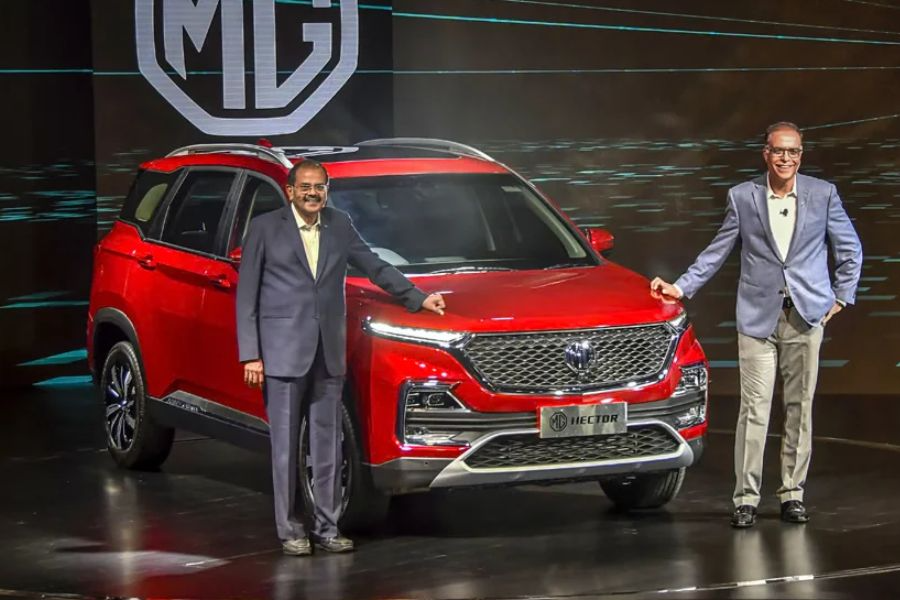
It also helped popularise the idea of connected car features in the mass market SUV segment. Features that were previously associated with more expensive vehicles were now being offered at considerably more accessible price points. The Hector gave established manufacturers another competitor to worry about and marked the beginning of MG’s journey in India.
4. Kia Entered India With The Seltos In 2019
Another major manufacturer to enter India in 2019 was Kia. The South Korean automaker introduced the Seltos in August 2019, and the SUV quickly became one of the most successful launches of the year.
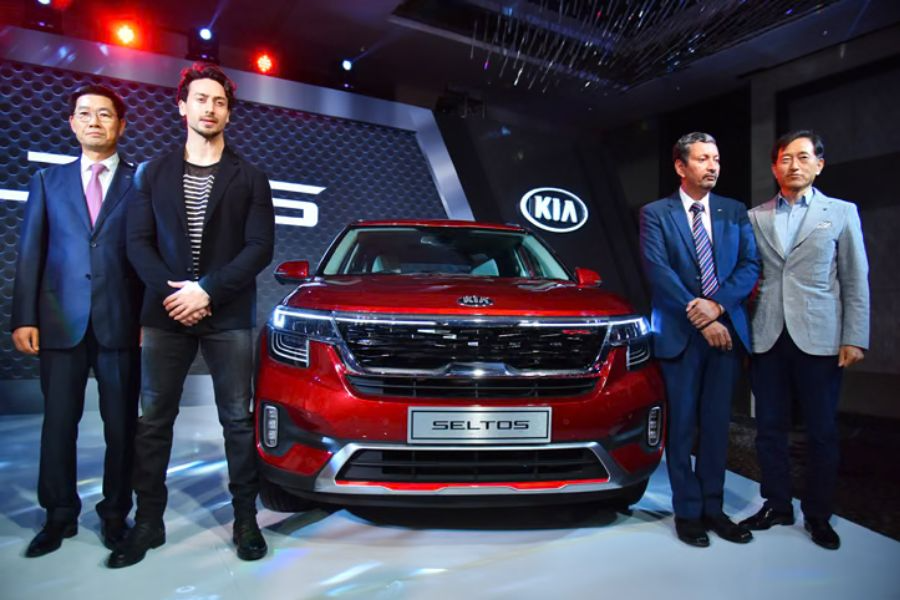
With its striking design, multiple engine and transmission options, large infotainment displays and extensive feature list, the Seltos established Kia as a serious contender in the Indian market. The arrival of Kia also changed the competitive landscape for established manufacturers such as Hyundai, Maruti Suzuki and Tata Motors.

The Seltos demonstrated that a relatively new manufacturer could quickly build a strong presence in India with the right product. Kia has since expanded its portfolio with models such as the Sonet, Carens and Carnival.
5. BS6 Emission Norms Changed The Indian Car Market In 2020
April 1, 2020, marked a major turning point for the Indian automotive industry as the country moved directly from BS4 to BS6 emission standards.
The transition required manufacturers to significantly upgrade their engines and exhaust treatment systems to meet stricter emission requirements. While the change resulted in cleaner vehicles, it also made certain powertrains considerably more expensive to develop and manufacture.
Several manufacturers decided that upgrading their smaller diesel engines was no longer financially viable. Maruti Suzuki, for instance, discontinued its entire diesel engine portfolio, while Renault also moved away from diesel offerings. The transition also marked the end of some familiar engines that had powered popular Indian cars for years.
6. Volkswagen And Skoda Moved Away From Small Diesel Engines
The BS6 transition also marked the end of an important chapter for Volkswagen and Skoda in India. Both manufacturers had built a reputation for their diesel engines, particularly the 1.5 litre TDI unit that powered cars such as the Volkswagen Polo, Vento and Ameo, along with the Skoda Rapid.
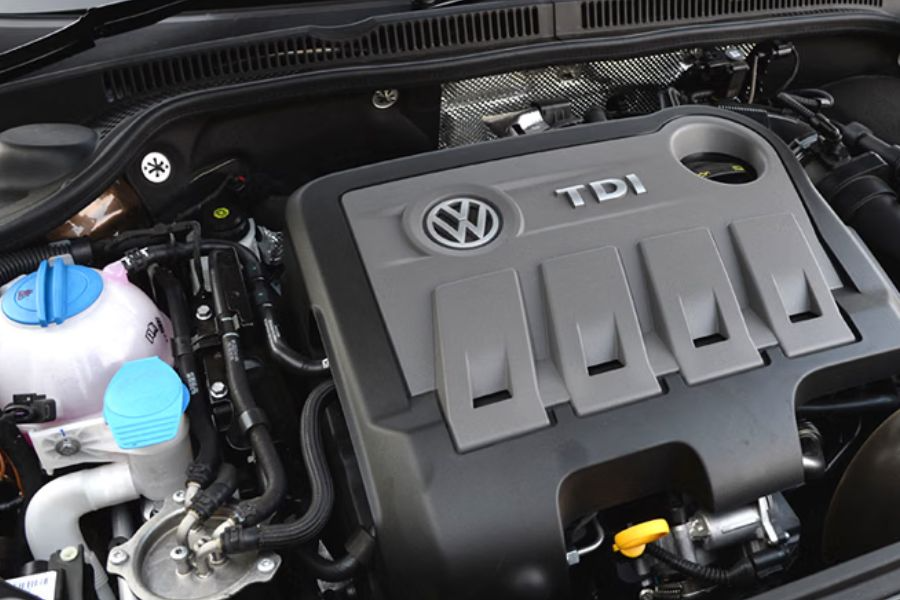
However, the Volkswagen Group decided against upgrading its smaller EA189 diesel engine to meet BS6 requirements. The additional cost and complexity involved in making the engine compliant did not make financial sense for these relatively affordable cars.
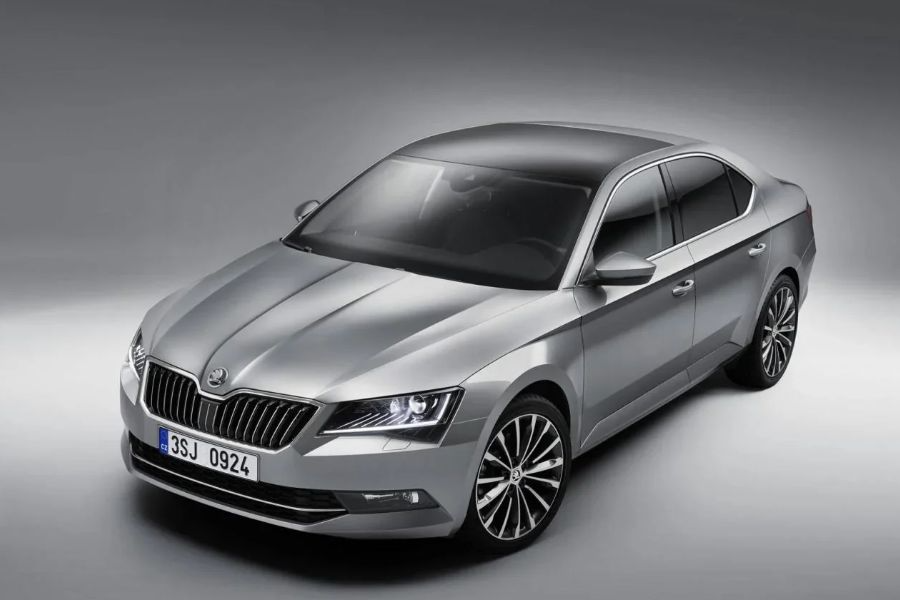
As a result, Volkswagen and Skoda moved towards petrol powered lineups for their mass market offerings. This was particularly significant for enthusiasts who appreciated the strong performance and fuel efficiency of the TDI engines. While larger diesel engines continued in selected premium models, the familiar small diesel Volkswagen and Skoda cars were effectively gone.
7. Tata Motors Launched The Nexon EV In 2020
India’s electric vehicle journey had already begun before 2020, but the launch of the Tata Nexon EV was an important moment in making electric cars more accessible to private buyers.
Launched in January 2020 with an introductory starting price of Rs 13.99 lakh, the Nexon EV offered an electric SUV experience at a price point that was considerably more accessible than most electric cars available at the time. It came with Tata’s Ziptron electric vehicle technology and an ARAI certified range of 312km.
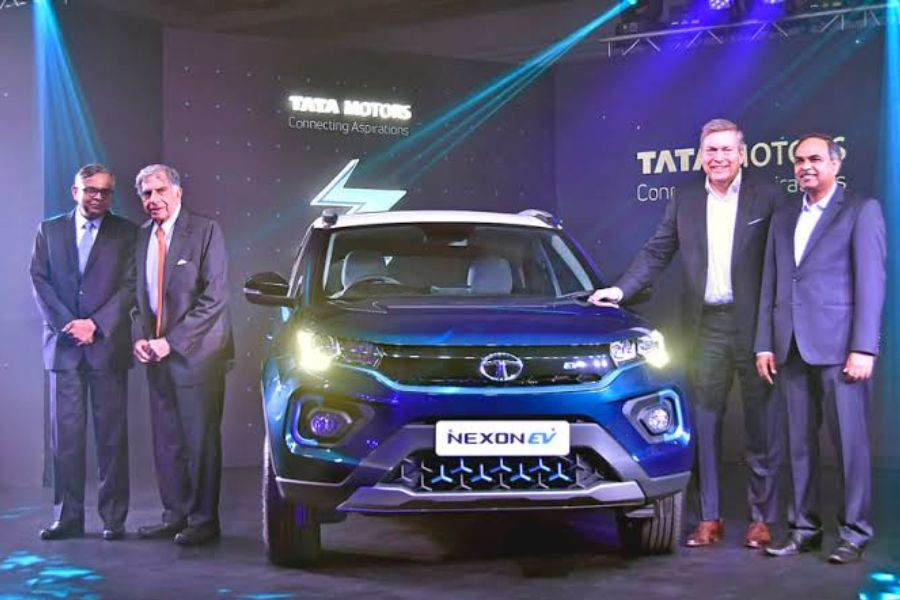
More importantly, the Nexon EV became a major contributor to Tata Motors’ electric vehicle ambitions. Its success helped establish Tata as one of India’s leading electric passenger vehicle manufacturers. The model also played an important role in bringing electric mobility into mainstream conversations among Indian car buyers.
8. The Tata Safari Made A Comeback In 2021
The Tata Safari is one of India’s most recognisable SUV nameplates. Originally introduced in 1998, it built a strong reputation for its imposing road presence, spacious cabin and rugged character. However, the original Safari was discontinued in 2019, bringing an end to a nearly two decade long journey.
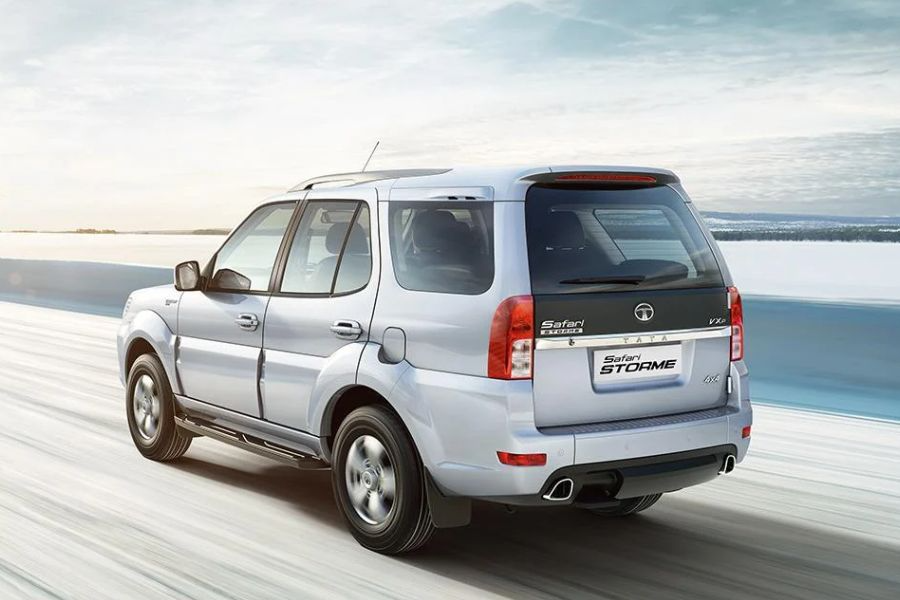
But Tata Motors was not ready to let the nameplate disappear permanently. In 2021, the company brought back the Safari with an entirely new generation based on the Harrier’s platform. Unlike the original body on frame SUV, the new Safari adopted a more modern monocoque construction and offered three row seating.
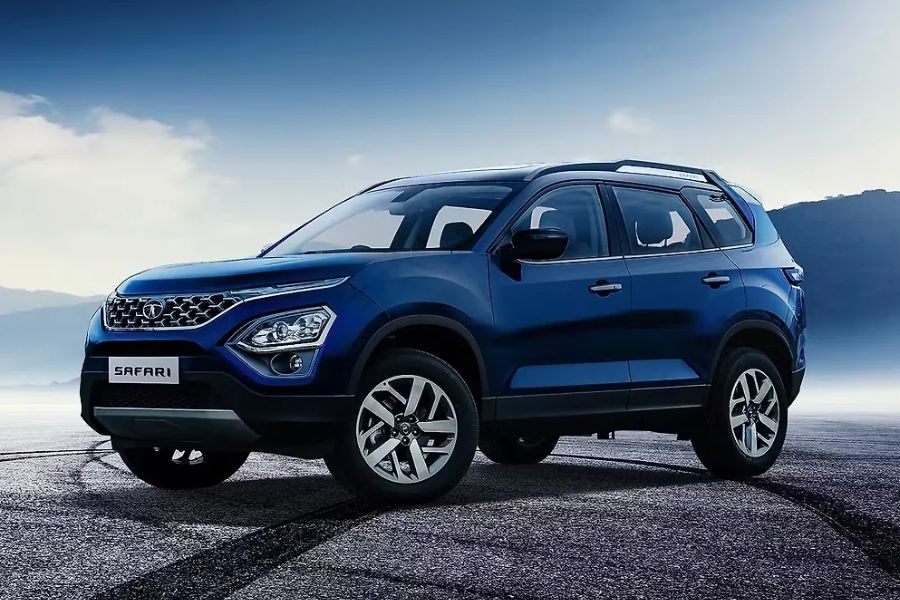
The new model retained the Safari name while moving towards a more premium and family oriented positioning. Its return was one of the most notable nameplate revivals in recent Indian automotive history.
9. Ford Announced The End Of Local Vehicle Manufacturing In India In 2021
Ford was among the earliest international manufacturers to establish a presence in India’s modern automotive market, entering the country in 1994.Over the years, the company introduced several popular models, including the Figo, EcoSport, Endeavour, Fiesta, Ikon and Aspire.
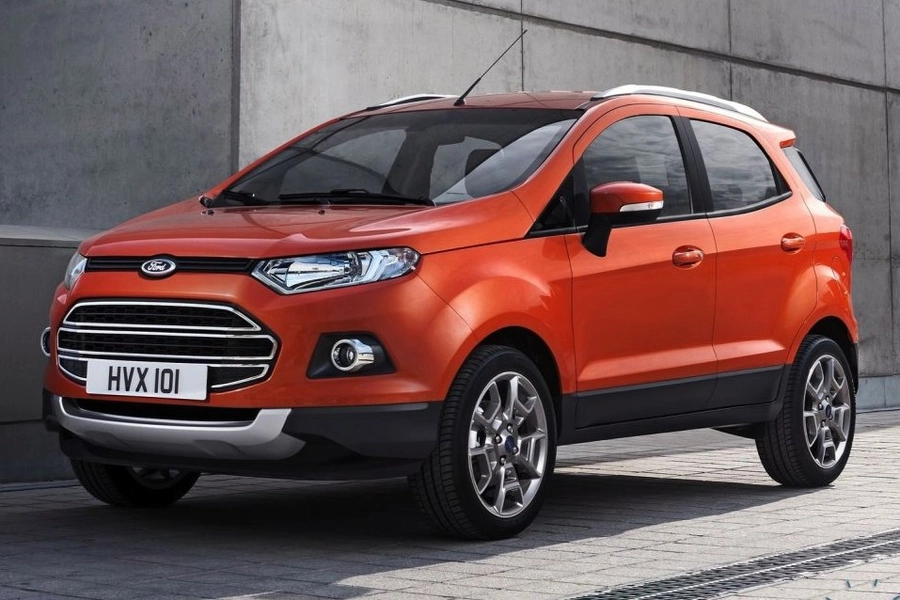
However, on September 9, 2021, Ford announced that it would cease manufacturing vehicles for sale in India. The decision followed years of accumulated losses and difficulties in establishing a sustainable business in the country. The company began winding down its manufacturing operations in Sanand and Chennai, with existing models eventually disappearing from showrooms.
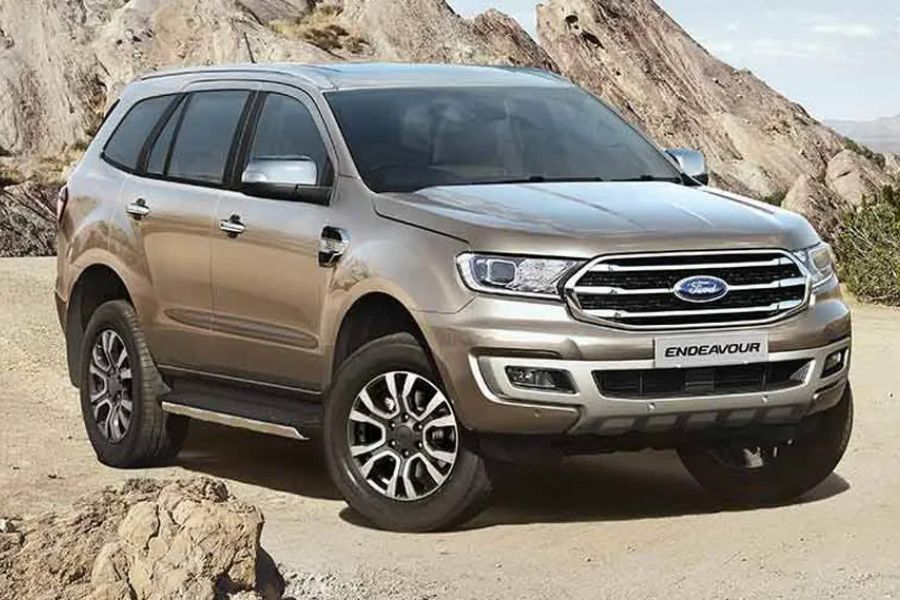
Ford did not completely leave India, continuing its customer support operations and other business activities.
10. Volkswagen Discontinued The Polo In 2022
For many Indian automotive enthusiasts, the Volkswagen Polo was more than just another premium hatchback. Launched in India in 2010, the Polo quickly developed a reputation for its solid build quality, excellent driving dynamics and enjoyable turbo petrol and diesel engines.
The GT TSI and GT TDI variants, in particular, became favourites among enthusiasts looking for an affordable performance oriented hatchback. However, changing consumer preferences, declining hatchback demand and Volkswagen’s focus on its newer India specific products eventually led to the Polo being discontinued in April 2022.
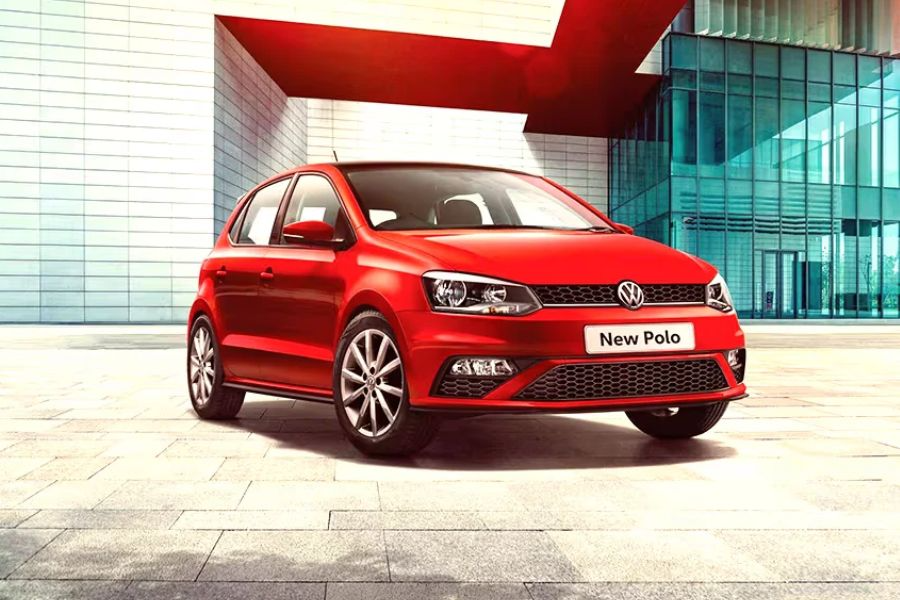
After 12 years in the Indian market, the final Polo rolled off the production line. Despite its discontinuation, the Polo continues to enjoy a strong following among enthusiasts, with well maintained examples still commanding considerable attention in the used car market.
11. The Renault Duster Disappeared And Made A Comeback In 2026
The Renault Duster was one of the most influential SUVs to arrive in India during the early 2010s. When it launched in 2012, the Duster helped establish the compact monocoque SUV segment and paved the way for several models that followed, including the Hyundai Creta.
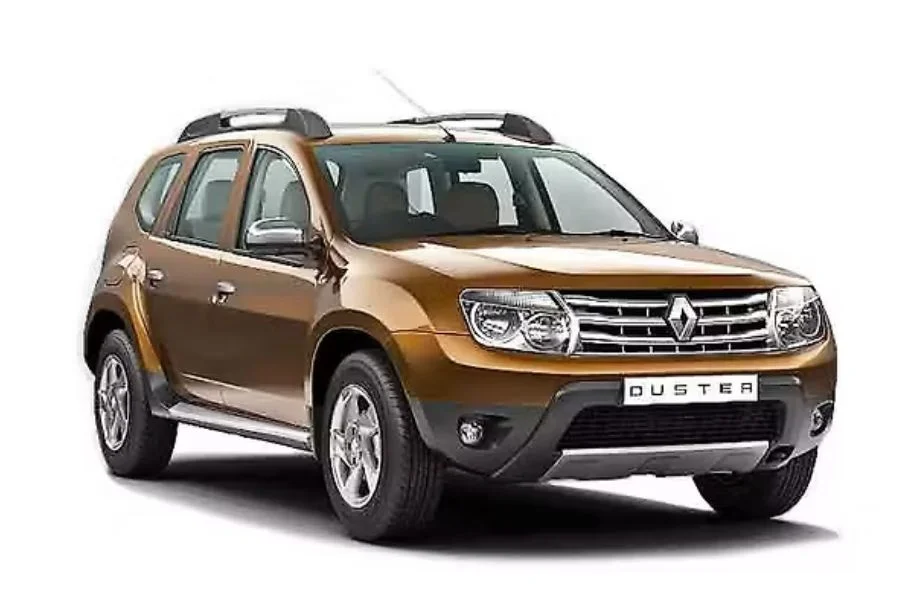
It became popular for its ride quality, practicality, diesel engine options and ability to handle Indian road conditions. However, as competition increased and newer SUVs entered the market, the Duster gradually lost ground. Renault eventually discontinued production in February 2022, bringing its nearly decade long journey in India to an end.
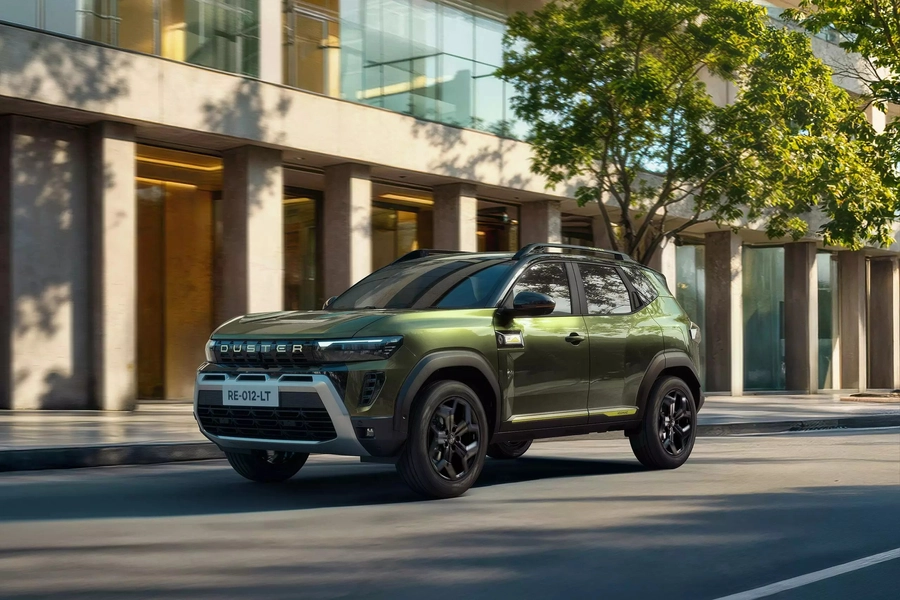
But the story did not end there. In January 2026, Renault unveiled the new generation Duster in India, bringing back one of its most recognisable nameplates. The SUV was subsequently launched in March 2026 with an introductory starting price of Rs 10.29 lakh.
The new Duster brings an entirely different design, updated technology and new powertrain options, including a strong hybrid. Its return is another example of how established automotive nameplates can find a new lease of life in an increasingly competitive market.
A Lot Can Happen In 13 Years
When GTA V arrived in 2013, the Indian automotive market looked very different from what it does today. Diesel engines were extremely popular, hatchbacks commanded a much larger share of the market, and electric cars were still a relatively unfamiliar concept for most buyers.
Today, SUVs dominate the conversation, electric vehicles have become an important part of manufacturers’ strategies, and several international brands have either entered or exited the market.
Some familiar names have disappeared, while others have returned with entirely new identities. The next chapter of the Indian automotive industry will undoubtedly bring more changes. But as GTA 6 finally arrives, it is worth looking back at just how much has happened since we first entered Los Santos.