
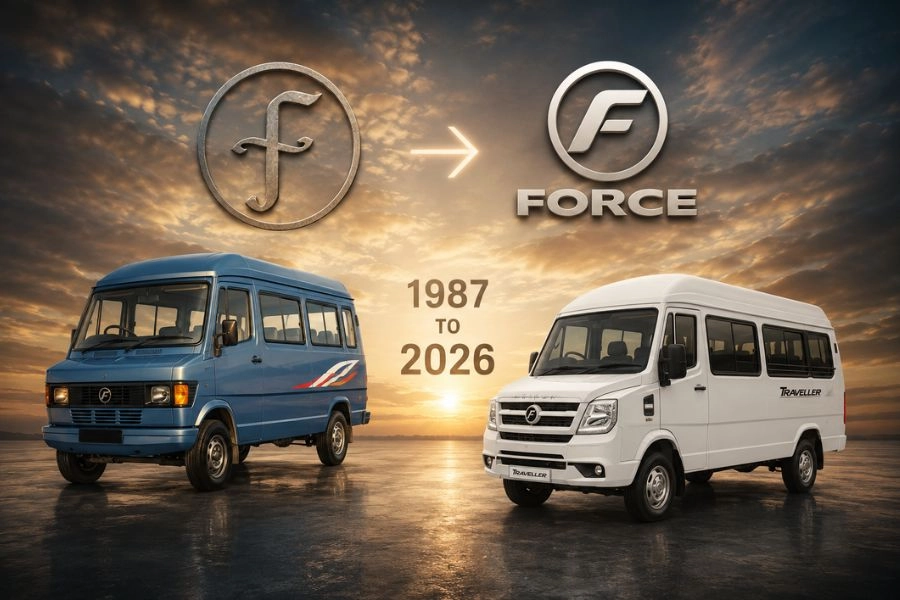
For many Indians, the Force Traveller is more than just a van. It is a part of growing up. It was the yellow school van waiting outside every morning. It was the vehicle that carried families on long pilgrimages. It was the ambulance that rushed patients to hospitals. It was the staff bus that took employees to factories and offices. For countless children when in school (including myself), the first vehicle they travelled in every day was a Force Traveller.
Even after nearly four decades on Indian roads, the Traveller continues to serve millions. Introduced in India in 1987, the Force Traveller has completed 39 years and remains one of the country’s most successful commercial vehicles. Built on the foundations of the legendary Mercedes Benz T1 van, the Traveller has evolved continuously while retaining the qualities that made it popular in the first place.
The Traveller and its Mercedes Benz Roots
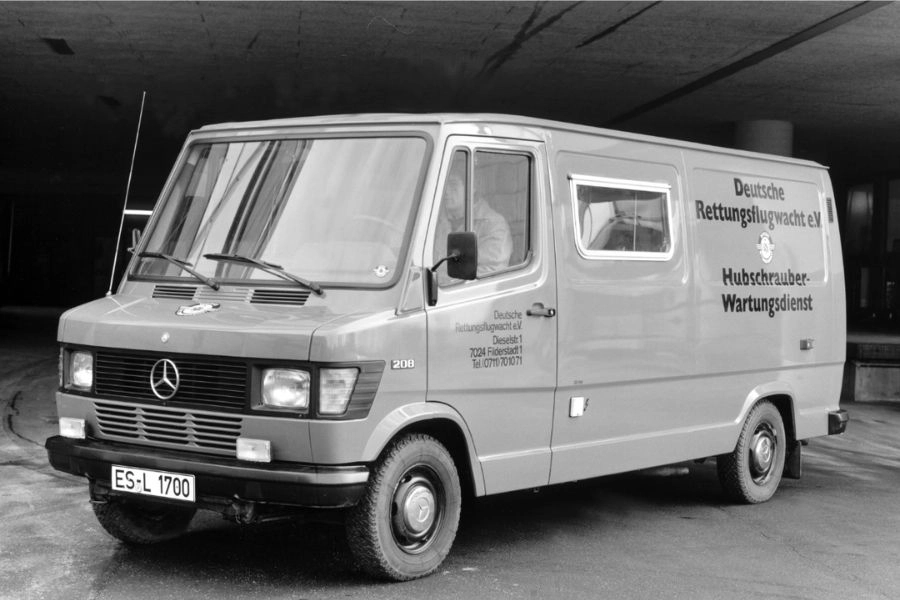
The story of the Force Traveller begins in Germany. In 1977, Mercedes Benz introduced the T1 series of light commercial vehicles, also known as the Bremer Transporter. The T1 quickly became popular across Europe for its durability, practicality and reliability.
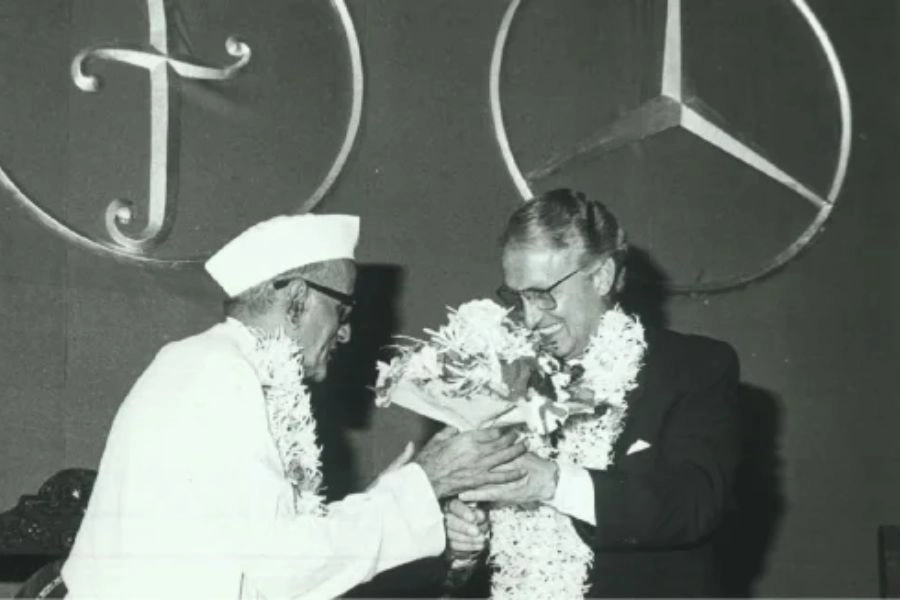
Force Motors, then known as Bajaj Tempo, had a long standing partnership with Daimler Benz. This association allowed the company to manufacture and adapt Mercedes derived products for India. In 1987, the company launched the Tempo Traveller, based heavily on the Mercedes Benz T1 platform.
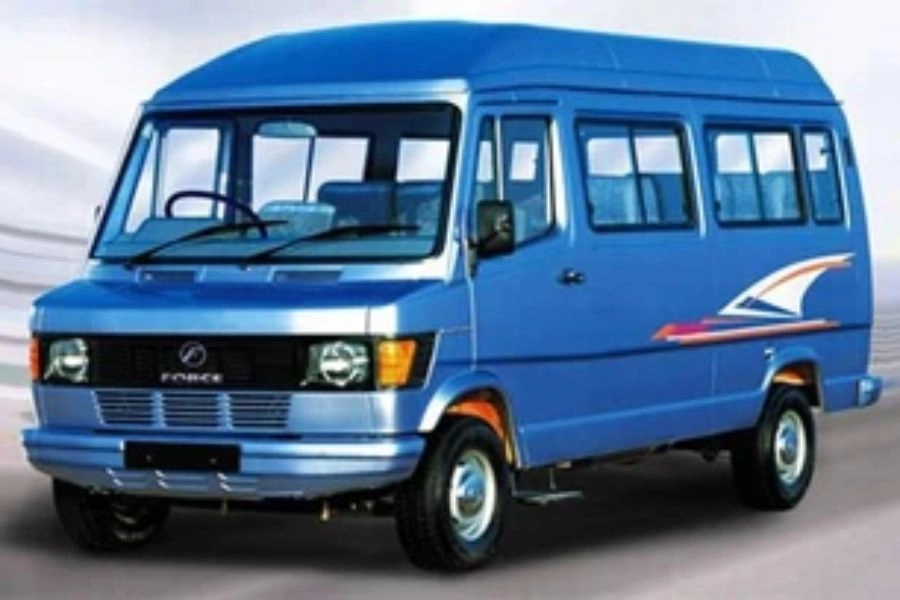
At a time when India had very limited options in the passenger transport segment, the Traveller offered something modern and versatile. It replaced older vans and became an instant success. In 2005, after the company officially became Force Motors, the Tempo Traveller was renamed Force Traveller, though most Indians still affectionately referred to it as the Tempo Traveller.
Tempo Traveller from 1987 to 2005
When the Tempo Traveller was launched in India in 1987, it brought a completely different approach to passenger transportation. Based on the Mercedes Benz T1 van introduced globally in 1977, the Tempo Traveller offered better comfort, superior reliability and greater flexibility compared to the vans and minibuses available in the Indian market at the time. The rear wheel drive layout, monocoque chassis and dependable diesel engine quickly made it a preferred choice among schools, hospitals, tourist operators and businesses.
Powering the original Tempo Traveller launched in 1987 was the legendary Mercedes Benz OM616 diesel engine. This 2.4 litre four cylinder unit displaced 2,399 cc and produced 72 bhp at 4,200 rpm along with 138 Nm of torque at 2,400 rpm. Power was sent to the rear wheels through a five speed G1/18 manual gearbox. Derived directly from the Mercedes Benz T1 van sold internationally.
Towards the late 1990s, Force Motors introduced a more modern powertrain in the Traveller in the form of the Mercedes derived TD 2650 FTI engine. This 2.6 litre four cylinder direct injection turbocharged and intercooled diesel engine marked a major step forward from the naturally aspirated OM616 unit. Initially producing around 74 bhp and 195 Nm of torque.
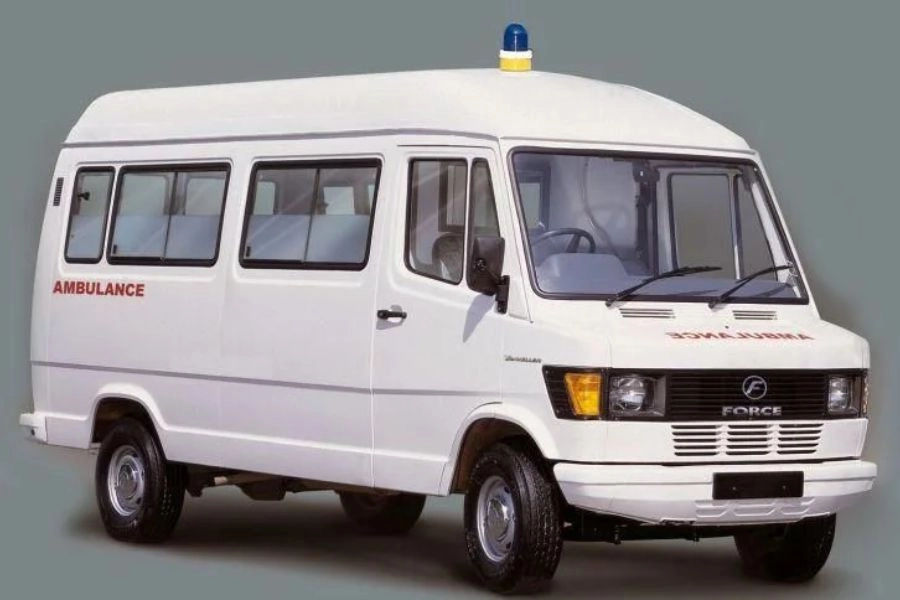
Power continued to be transmitted through the trusted five speed G1 18 manual gearbox. Along with the new engine, Force Motors also offered additional comfort features on the longer 3,700 mm wheelbase variants, including factory fitted air conditioning, power steering and a sliding side door.
The Traveller range itself expanded over the years, with customers able to choose between 3,050 mm and 3,350 mm wheelbase versions with seating capacities of 12 and 15 passengers respectively, available in both flat roof and high roof configurations.By the early 2000s, the Tempo Traveller had established itself as one of India’s most recognisable commercial vehicles, earning a reputation for durability and low running costs.
Force Traveller from 2005 to 2026
In 2005, Bajaj Tempo officially became Force Motors and the iconic Tempo Traveller was renamed Force Traveller. While the name changed, the philosophy behind the vehicle remained the same. Over the next two decades, Force Motors continuously updated the Traveller to keep pace with changing customer requirements and regulations.
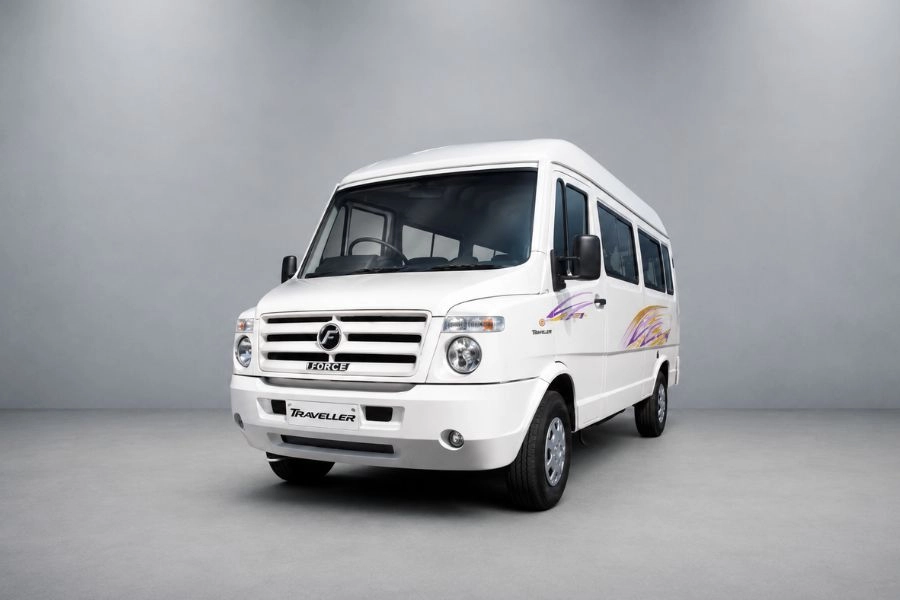
During the 2000s, Force Motors further modernised the Traveller with the introduction of a more powerful 2.2 litre common rail turbo diesel engine. This new powerplant produced 129 hp and 300 Nm of torque, making it the most powerful engine ever offered in the Traveller at the time. The common rail engine brought smoother performance, better refinement and improved fuel efficiency, while also helping the Traveller appeal to premium tour operators and executive transport fleets. Combined with improved interiors and features, these upgrades ensured that the Traveller remained competitive even as newer rivals entered the market.
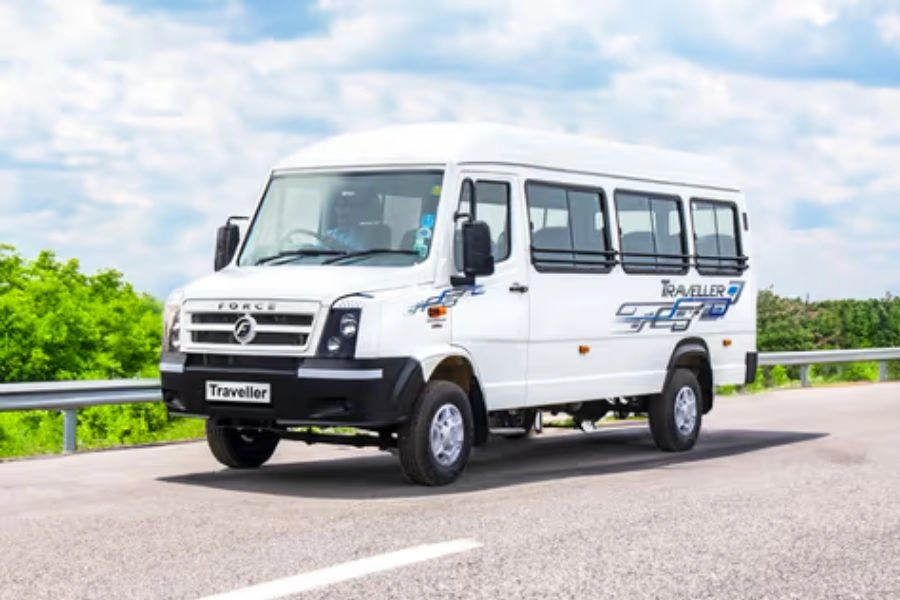
The introduction of BS4 and later BS6 compliant engines brought greater efficiency and reduced emissions. The range expanded significantly, with versions catering to passenger transport, school bus duties, ambulances, delivery vans and tourist applications.
Despite increasing competition over the years, the Force Traveller continued to dominate its segment. By 2026, Force Motors had sold close to 2,76,000 Travellers across India, a remarkable achievement for a vehicle that had remained in production for 39 years. Bengaluru alone accounted for around 39,000 units, making it one of the strongest markets for the model.
2026 Force Traveller N: The Biggest Update Yet
In 2026, Force Motors introduced the new Traveller N range, representing the most comprehensive update in the history of the nameplate. Developed after extensive feedback from owners, drivers and fleet operators, the Traveller N features a redesigned front fascia, improved aerodynamics and a significantly more modern cabin. The new dashboard houses a digital instrument cluster and provision for a touchscreen infotainment system, bringing a car like experience to the segment.
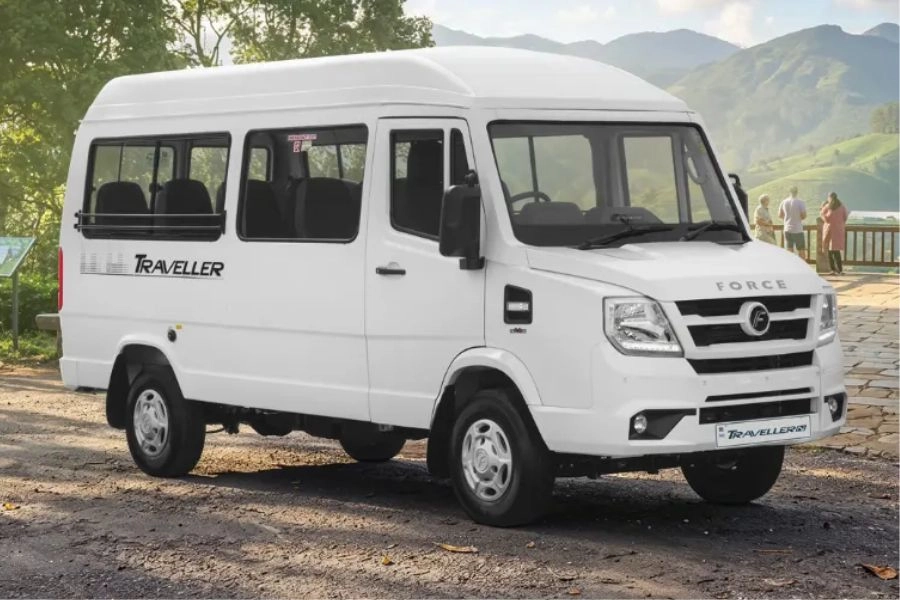
The latest Traveller N is powered by a heavily updated 2.6 litre turbo diesel engine that is now BS6.2 compliant and develops 114 hp and 350 Nm of torque. Paired with a six speed manual gearbox, the engine is also available with a factory fitted CNG option, which produces 102 hp and 310 Nm of torque while offering lower running costs for fleet operators.
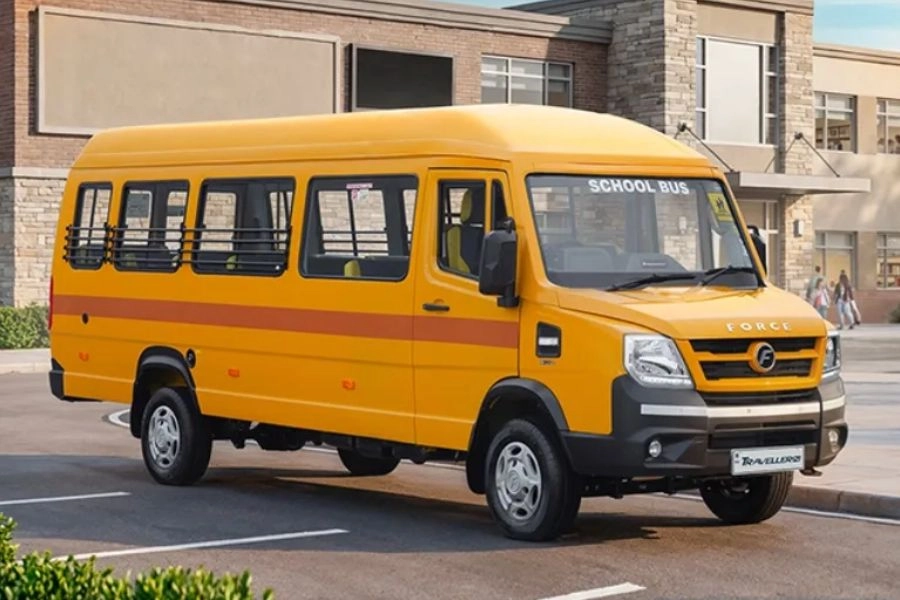
Force Motors has also focused heavily on reducing noise and vibrations, improving seat comfort and enhancing overall refinement. Ergonomics have been improved for drivers, while passengers benefit from a quieter and more comfortable cabin with creature comforts like USB C type chargers, LED lighting and more. The Traveller N continues to be offered in passenger, school bus, ambulance and cargo configurations, ensuring that the vehicle remains as versatile as ever.
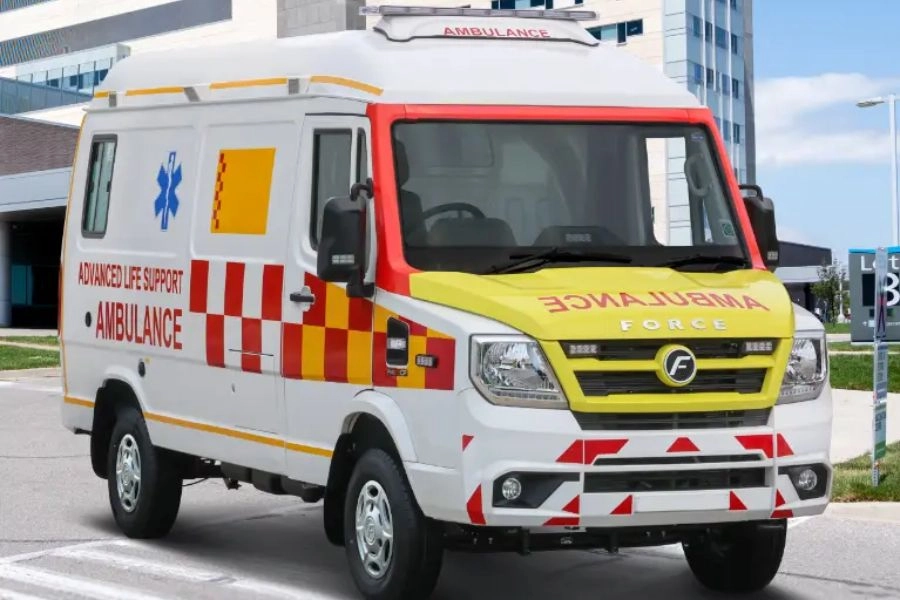
Nearly four decades after it first arrived on Indian roads, the Force Traveller has evolved from a Mercedes Benz derived van into an institution of its own. From carrying generations of school children to serving as ambulances and tourist vehicles, the Traveller has become deeply woven into India’s transport landscape. With the arrival of the new Traveller N, Force Motors has ensured that this iconic people mover is ready for the future while staying true to the qualities that made it successful in the first place.