
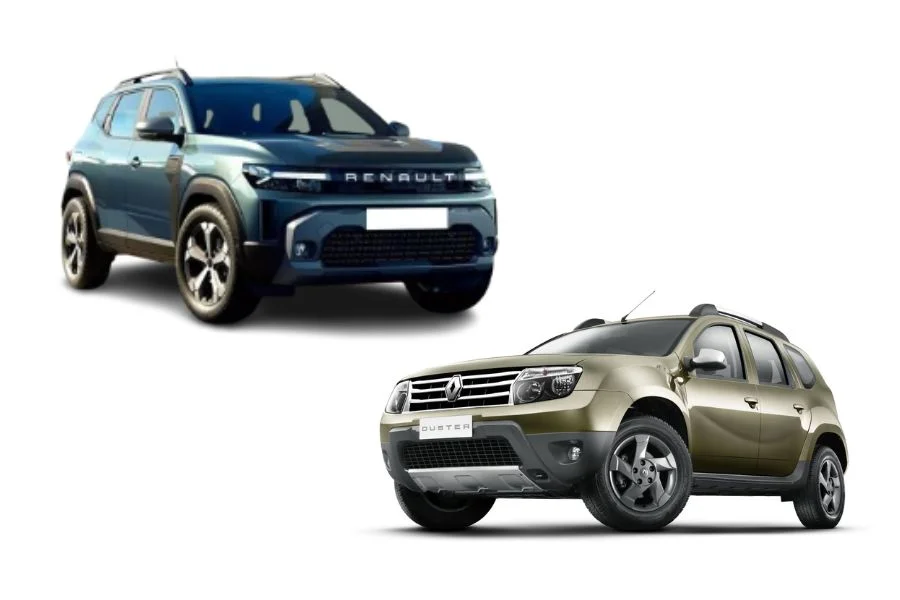
For many Indian car buyers, the Renault Duster is more than just a nameplate it’s a memory. When Renault launched the Duster in 2012, it quietly changed the course of India’s automotive market. At a time when SUVs were either ladder-frame brutes or expensive lifestyle vehicles, the Duster arrived as the first truly mass-market mid-size SUV, blending rugged looks, car-like comfort and real-world usability. In many ways, it kick-started the modern mid-size SUV segment in India.
However, that story came to an abrupt halt when the Duster was discontinued in 2022. Renault chose not to update the ageing first-generation, effectively putting the Duster on pause. The brand also skipped introducing the second-generation Duster in India altogether, even though it was sold internationally. For Indian buyers, the Duster simply disappeared, until now.
After a four-year hiatus, Renault is finally bringing the Duster back, and this time, it’s the all-new third-generation Renault Duster, which debuted globally last year. The India reveal is scheduled for January 26, 2026 Republic Day, a symbolic date that underlines how important this comeback is for the brand. What we’re seeing now is a familiar name returning with an entirely new identity.
Old Duster vs New Duster – Exterior Design
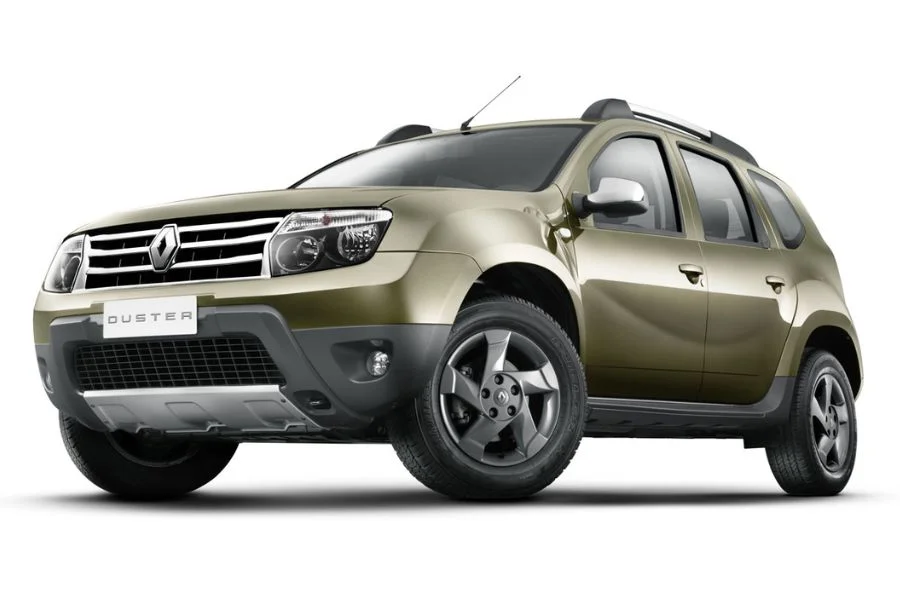
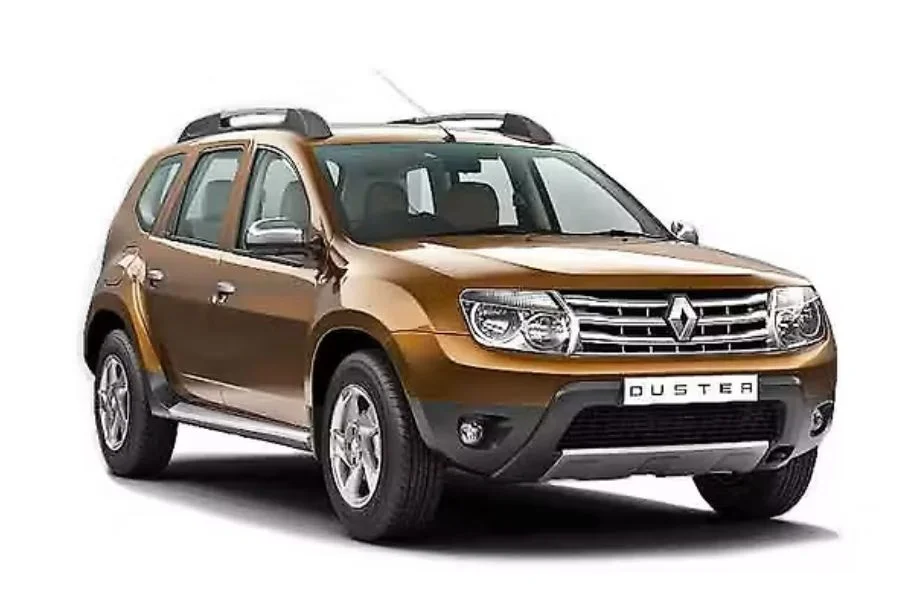
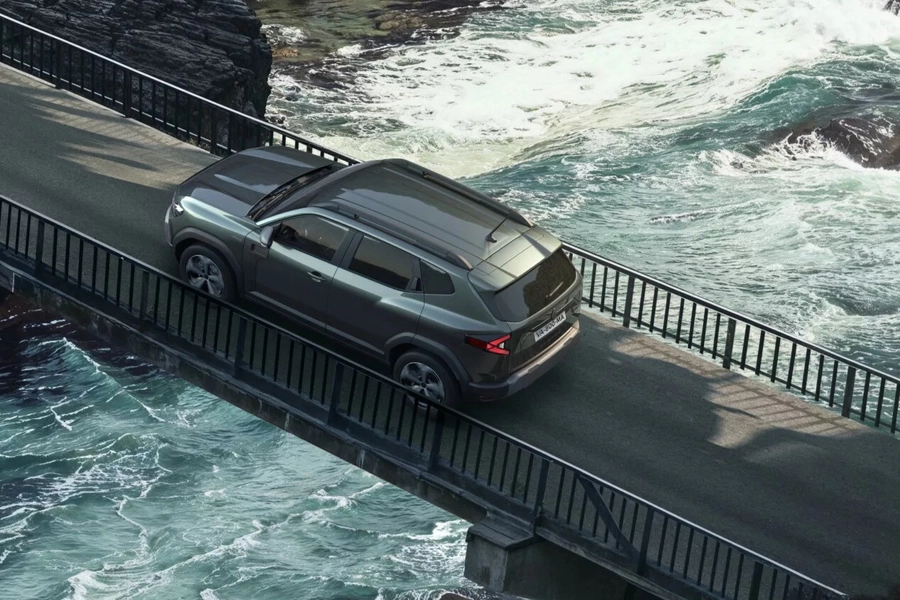
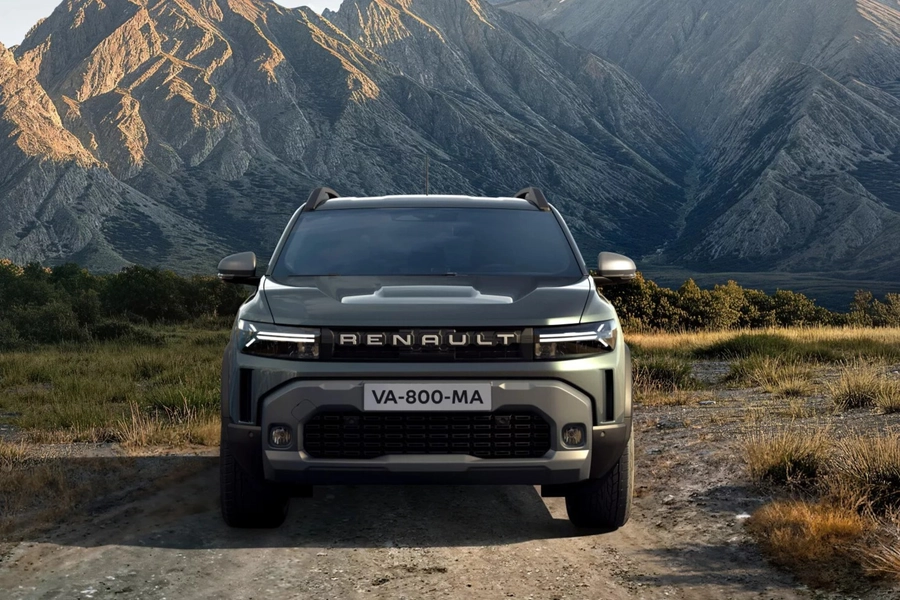
The latest-generation Renault Duster marks a clear shift in design when compared to the original model. While the earlier Duster featured rounded surfaces and an understated front end, the new version adopts a more upright and angular appearance, making the difference instantly noticeable.
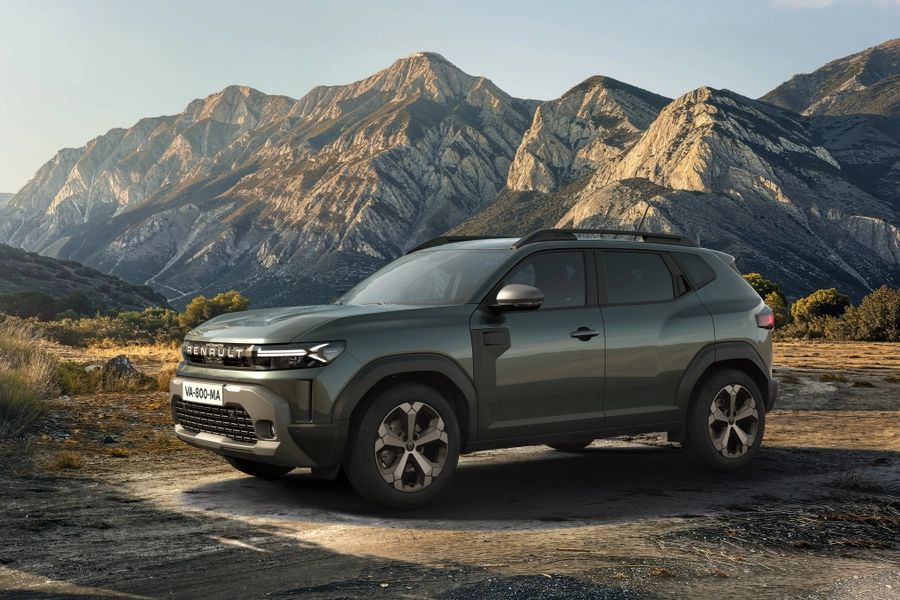
Up front, the rounded halogen headlamps of the first-generation Duster have been replaced by sharper units with Y-shaped LED DRLs, giving the new model a more contemporary face. The front bumper has also been completely reworked, moving away from smooth contours to deeper body cuts and a more muscular design, complemented by a silver skid plate that highlights its rugged intent. Where the original Duster ran on 16-inch alloys and even 15-inch steel wheels on lower trims, the third-generation model is expected to feature larger 17- or 18-inch wheels.
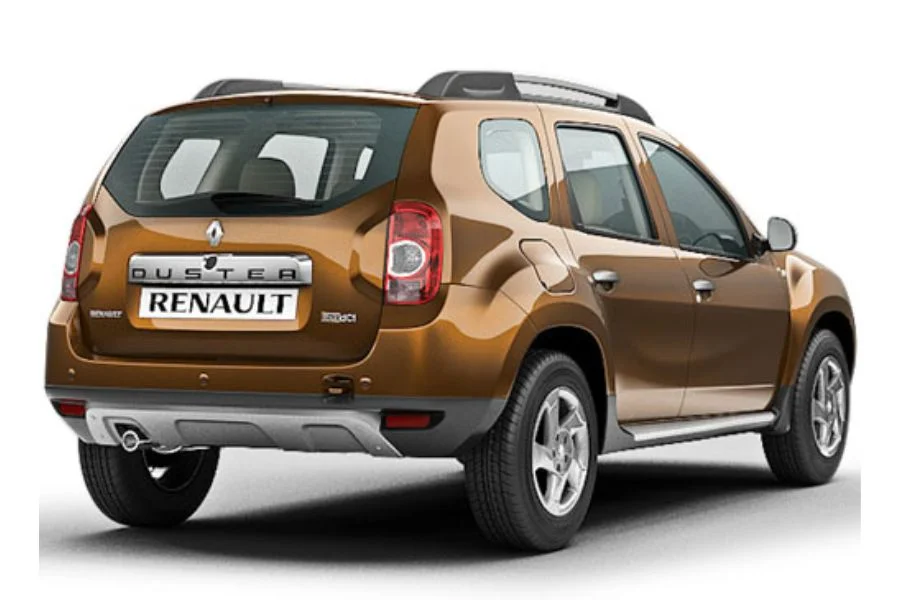
At the rear, the new Duster looks far more distinctive, thanks to Y-shaped LED tail lamps, a roof-integrated rear spoiler, and a large silver skid plate. The older Duster, by comparison, had a much plainer rear design, initially with halogen tail lamps that were later upgraded to LEDs. Its standout element was the embossed detailing on the tailgate, but it lacked a rear spoiler.
Old Duster vs New Duster – Interior Design and Features
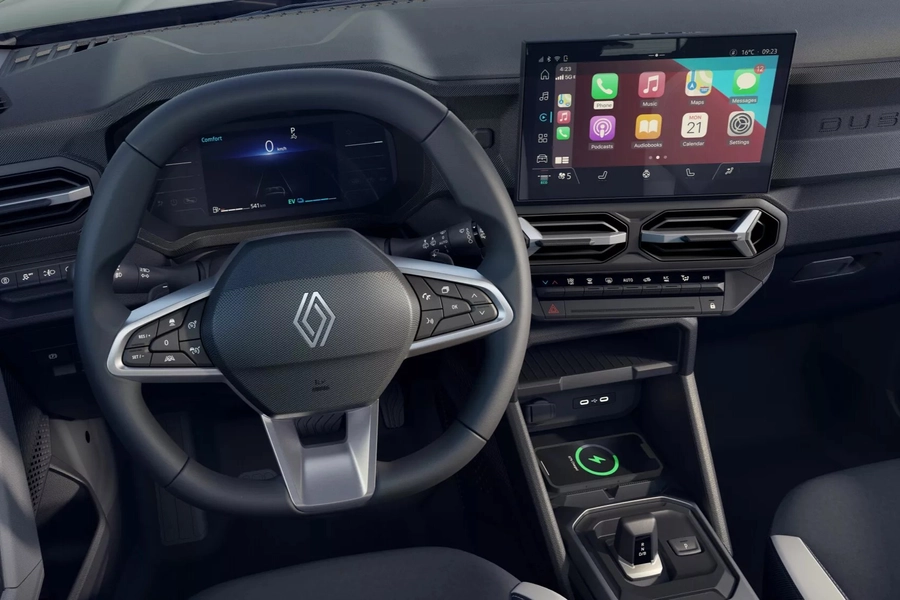
The third-generation Renault Duster features a completely new dashboard layout with Y-shaped design highlights and inserts, giving the cabin a much more modern appearance. International models get a 10.1-inch touchscreen and a 7-inch digital driver display, both of which are expected to be offered on the India-spec version as well. The central AC vents and controls are angled towards the driver, signalling a more driver-focused layout.
In contrast, the older Duster’s interior was very basic. At launch, it came with a 2-DIN audio system instead of a touchscreen, along with analogue dials and a small MID display. The audio controls mounted behind the steering wheel were a quirky design choice, and the SUV even missed out on a centre armrest initially.
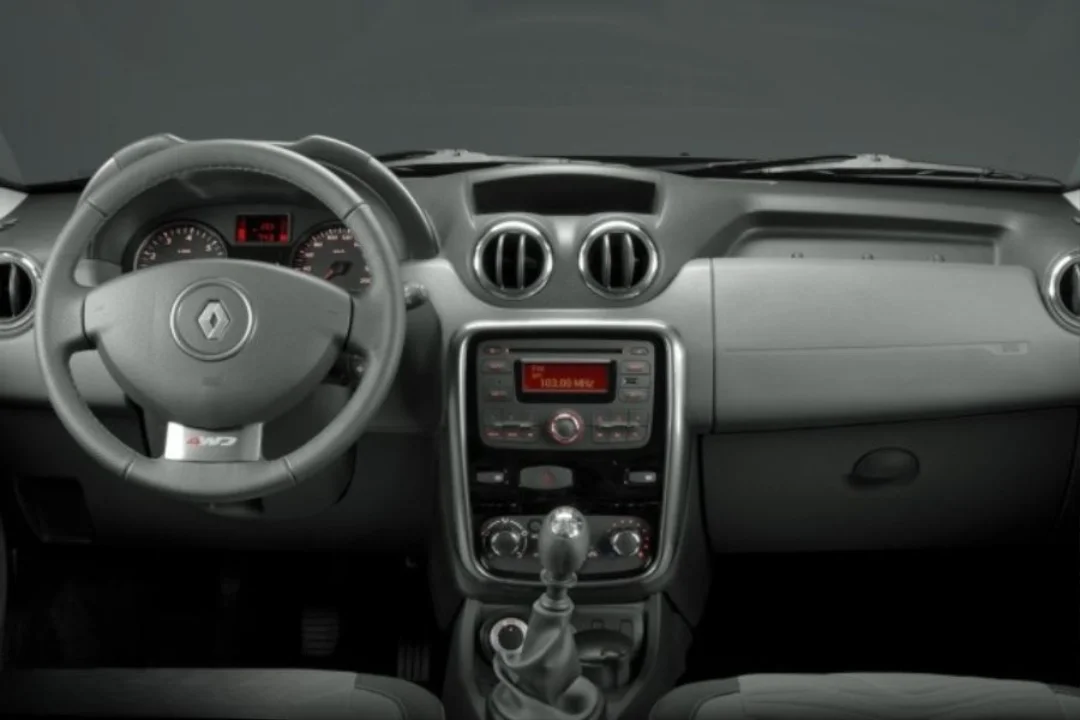
Rear passengers had access to just one AC vent, which was uncommon even at the time. The new-generation Duster is also expected to introduce connected car technology and ADAS features, while also offering Apple CarPlay and Android Auto. Carplay and Android Auto were absent at launch on the older model but added only towards the end of its lifecycle in 2022.
Old Duster vs New Duster – Powertrain
The first-generation Renault Duster was launched with a straightforward engine lineup. Petrol duty was handled by a 1.6-litre naturally aspirated engine, while diesel buyers had access to a 1.5-litre turbo-diesel offered in two states of tune — 85 hp and 110 hp. At launch, the Duster was available only with a manual transmission across all variants.
Over the years, Renault expanded the range through facelifts. The Duster later received an AMT automatic for the diesel and a CVT automatic for the petrol, making it more accessible to urban buyers. Its final and most significant mechanical update came towards the end of its lifecycle with the introduction of a 1.3-litre turbo-petrol engine, producing 156 hp. Notably, this engine was shared with premium models such as the Mercedes-Benz GLA 200 and was offered with both manual and automatic transmissions.
For the upcoming third-generation Duster, powertrain details for India remain unconfirmed. However, based on global offerings, it is expected to feature a 1.3-litre turbo-petrol engine with a mild-hybrid system, along with a 1.6-litre petrol strong-hybrid setup using two electric motors. We expect to see both automatic and manual transmissions to be offered as well.
One of the Duster’s most defining features was its optional AWD system, which truly set it apart from other mid-size SUVs of its time, and it remains to be seen whether this capability will make a return on the India-spec third-generation Duster, especially since the international model offers it. That said, what ultimately makes it to the India-spec Duster will only be clear at the time of launch.
Old Duster vs New Duster – Price
At launch in 2012, the Renault Duster was positioned very aggressively, with prices starting at around ₹7 lakh ex-showroom for petrol variants and going up to approximately ₹11 lakh for the higher-spec diesel trims. This competitive pricing played a major role in its success, making SUV ownership accessible to a much wider audience. Fast forward to today, and considering rising input costs, added technology, stricter safety norms and current segment trends, the new-generation Renault Duster is expected to be priced closer to the ₹10 lakh ex-showroom mark, positioning it competitively within the mid-size SUV segment once again.
Old Duster vs New Duster – Conclusion
The Renault Duster may have started life as a segment creator, but it now returns to a very different landscape. The mid-size SUV space it once pioneered has grown into one of the most hotly contested segments in the Indian automotive industry, with almost every major manufacturer having a presence in it today. As the Duster prepares for its comeback, the challenge is no longer about creating a segment, but about proving its relevance in a space it helped define in the first place. The new-gen Renault Duster will go up against segment heavyweights like the Hyundai Creta, Kia Seltos, Maruti Suzuki Victoris and Grand Vitara, Volkswagen Taigun, Skoda Kushaq, Toyota Hyryder and Honda Elevate as it makes its comeback
Pingback: Renault Duster India Debut Tomorrow: All We Know so Far - Shutterdrives