

Stand at any Indian traffic signal and observe the cars around you for a minute. You will see hatchbacks, compact sedans, compact SUVs, even some rugged looking utility vehicles. What ties most of them together is their size. Almost all of them sit under four metres. That is not because Indian designers love short cars. It is because one rule quietly rewired the entire industry.

The sub 4 metre segment was not born from consumer research or lifestyle trends. It came from a taxation policy. And once manufacturers realised what that policy allowed, there was no turning back.
In 2006, the Indian government revised its excise duty structure for passenger cars. The new rule was simple and very specific. Cars under four metres in length would attract significantly lower tax, provided they used smaller engines. Petrol engines had to be up to 1.2 litres and diesel engines up to 1.5 litres.
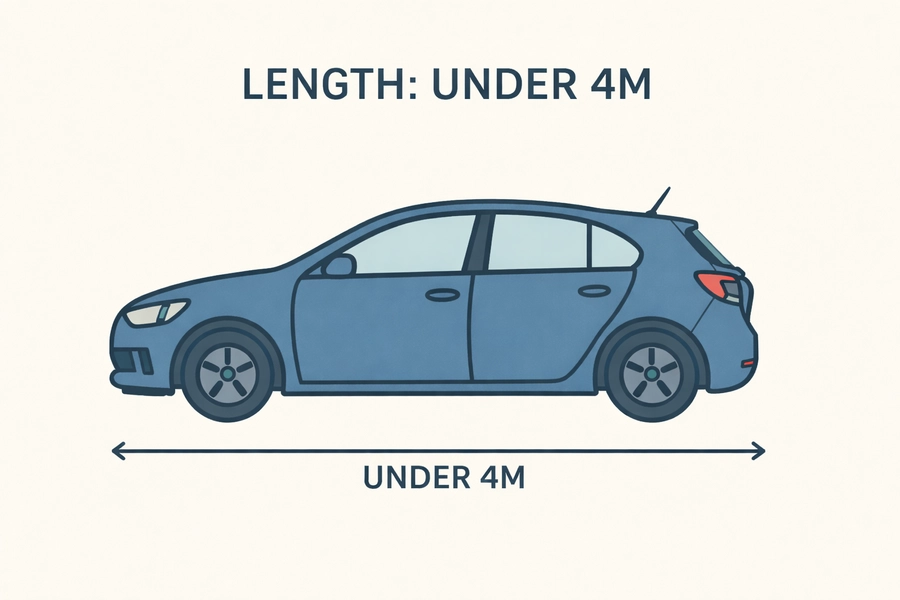
At the time, this felt like a nudge towards compact and efficient cars in a country struggling with congestion and fuel costs. But in reality, it gave manufacturers a clear target. Stay under 4 metres and you could price your car far more aggressively. That single measurement became the most important line on every design blueprint.
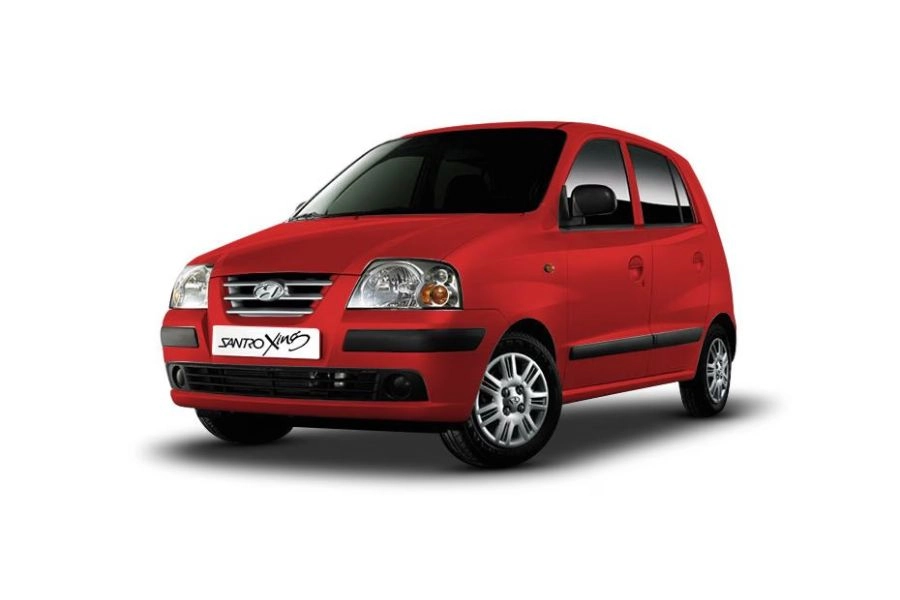
What is often forgotten in this story is that hatchbacks never needed to adapt. Most hatchbacks sold in India were already well under 4 metres. Cars like the Alto, WagonR, Santro, Indica, Swift and i20 naturally fit the rule. They benefited from lower taxation without changing much at all.
The real creativity began when manufacturers tried to apply this rule to body styles that were never meant to be this short.
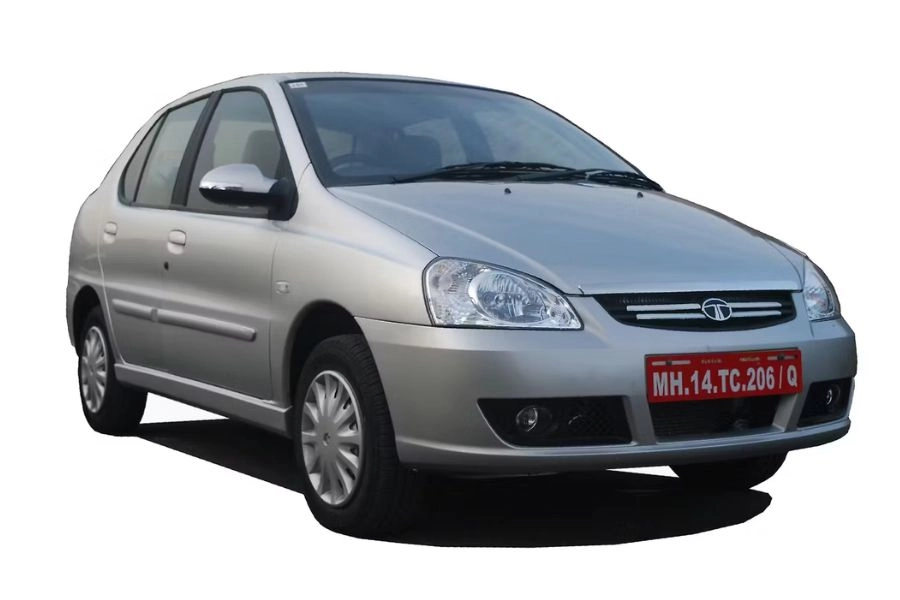
The first serious attempt at a sub 4 metre sedan was the Tata Indigo CS. It was clearly engineered around the tax rule. Shortened rear overhang, compact boot, and proportions that looked unusual even back then. But it proved a crucial point. Indian buyers wanted a boot and they were willing to accept compromises to get one at the right price.
A lot of people assume the first Maruti Suzuki Swift Dzire was sub 4 metre. It was not. The original Dzire crossed the four metre mark and did not enjoy the tax benefit. The real shift happened with the second generation Swift Dzire. That was the car Maruti redesigned specifically to slip under the four metre limit. It was shorter, lighter, and far more focused on efficiency and pricing. And it became a phenomenon.

The second generation Swift Dzire showed the industry what was possible. Sedan like appeal, Maruti reliability, and a price that made complete sense to Indian families. Sales numbers exploded and competitors rushed to respond. Honda brought the Amaze. Hyundai introduced the Xcent. Ford followed with the Aspire. The compact sedan became a uniquely Indian category that existed almost entirely because of one tax rule.
While compact sedans were finding their feet, something much bigger was brewing. The first sub 4 metre SUV in India was actually the Premier Rio. It arrived quietly, sold in tiny numbers, and barely registered on the public radar. On paper, it fit the rule. In reality, it lacked everything else needed to succeed.

Then Ford entered the picture. The Ecosport was not just another launch it was a moment for the Indian automotive industry. Ford combined the right size, the right stance, strong engines, and most importantly, a massive marketing push backed by a solid sales and service network. Suddenly, Indians realised they could buy an SUV shaped car at hatchback money.
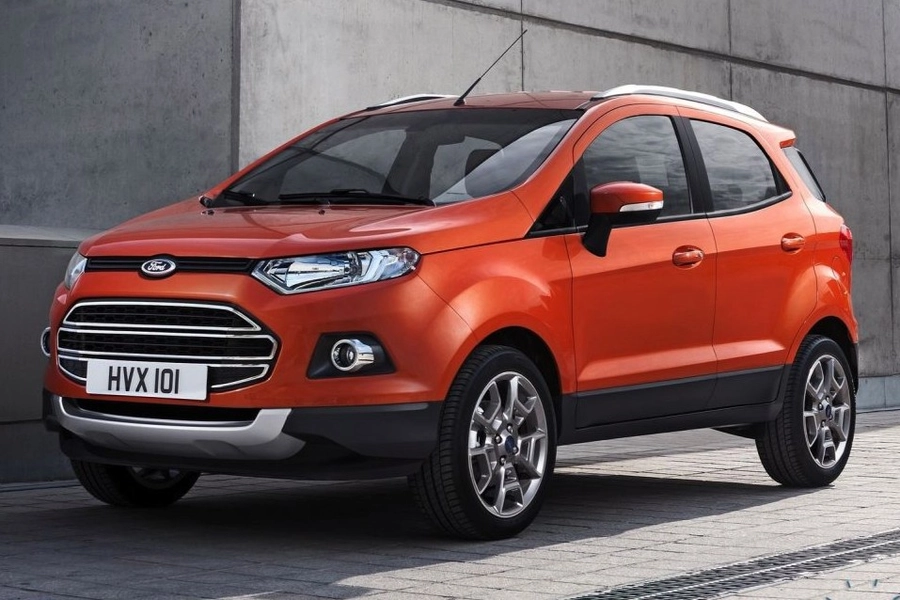
The Ecosport did not just sell well. It rewrote buyer behaviour overnight. Waiting periods stretched endlessly. Buyers who would have bought premium hatchbacks shifted to compact SUVs. The sub 4 metre SUV was no longer a niche idea. It became the new aspiration. This single car forced every manufacturer to rethink their India strategy.

Maruti, which had stayed away from SUVs for years, had no choice but to respond. The Vitara Brezza was born directly because of the EcoSport’s success. And when Maruti entered, the segment officially exploded. Soon after came the Tata Nexon, Hyundai Venue, Mahindra XUV300, Kia Sonet and several others. The compact SUV became the most competitive and sought after space in the market.
Perhaps the most telling sign of how powerful the sub 4 metre rule became was how it affected cars that were never meant to be compact. The Mahindra Bolero is a perfect example. A rugged, old school utility vehicle, built for rural India. Yet even the Bolero received a shortened body and a smaller engine option to qualify for the lower tax bracket. That tells you everything you need to know about how influential this policy became.

Manufacturers were willing to cut, chop, re engineer, and downsize engines just to stay within that magical length. This showed why cracking this segment became survival. For carmakers, success in the sub 4 metre segment was no longer optional. This is where volumes lived. This is where first time buyers entered the market. This is where price sensitivity was at its peak.
A car that crossed 4 metres immediately became harder to price competitively. Even if it was better built or more spacious, buyers would question the premium. That is also why several global models never made it to India or arrived heavily compromised. If you could not make the math work under four metres, the business case collapsed.
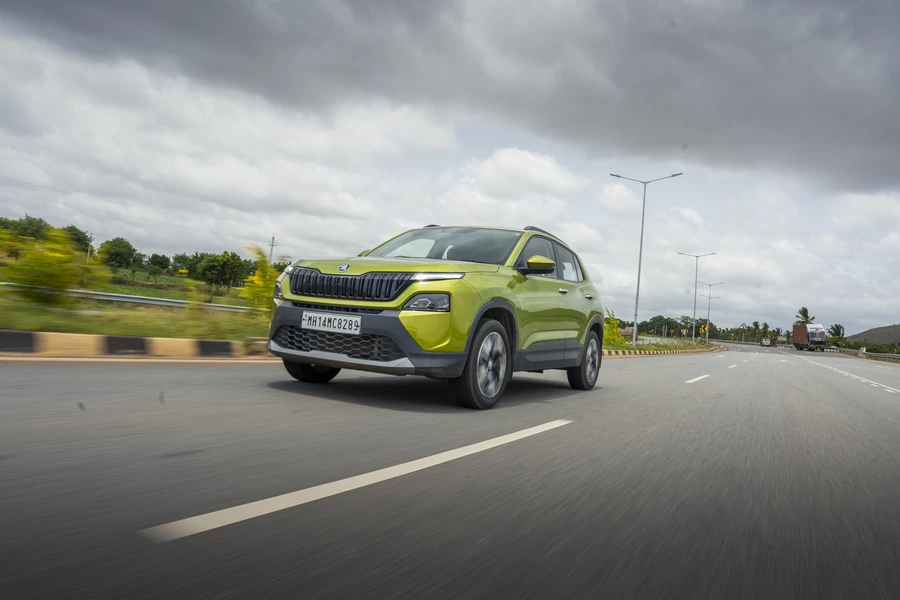
The sub 4 metre rule also forced manufacturers to design cars specifically for India rather than adapting global models. Designers had to play with proportions. Engineers had to pack safety, comfort, and performance into tight dimensions. Marketing teams had to convince buyers that shorter did not mean smaller or inferior.

Over time, companies got better at it. Today, many sub 4 metre cars feel well balanced, safe, and genuinely premium. But the learning curve was steep and very visible in earlier attempts. The Indian market is evolving again. Buyers are more willing to stretch budgets. Larger SUVs are growing in popularity. Safety regulations have raised costs across the board.

Yet the sub 4 metre segment refuses to fade away. It still offers the best balance of price, size, efficiency, and practicality for a majority of buyers. It remains the entry point for millions and the battleground where manufacturers fight their hardest wars.

The sub 4 metre segment was never part of a grand vision. It was an unintended consequence of a tax rule. But it ended up shaping an entire generation of Indian cars. From compact sedans to game changing SUVs, from hatchbacks to chopped utility vehicles, this one rule influenced design, pricing, and buyer psychology like nothing else. It is proof that in India, the most important revolutions sometimes begin quietly, with a line in a budget document, and end up changing the roads forever.
Pingback: CAFE Norms Decoded: The Rule Quietly Reshaping Cars in India - Shutterdrives