
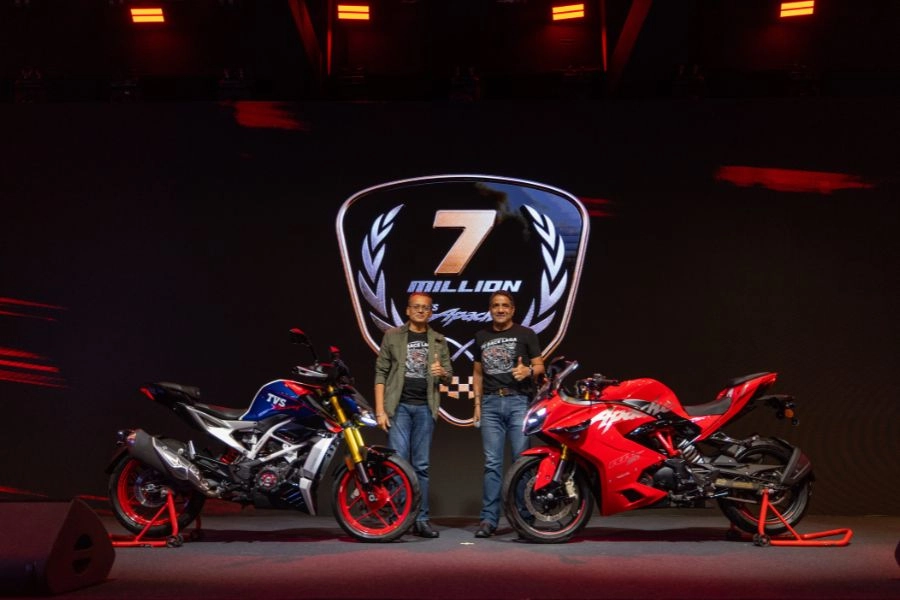
Some motorcycles become successful because they sell in large numbers. Very few go beyond that and become part of people’s memories. The TVS Apache is one of those rare motorcycles.
Today, with more than seven million riders across the world, the Apache has established itself as one of India’s most successful performance motorcycle brands. But numbers alone do not define its legacy. Its story is built on college memories, late night rides with friends, weekend highway runs, racing aspirations, and the dream of owning a motorcycle that felt special without being out of reach.
For many Indians, the Apache was their first college bike. It was the motorcycle parked outside engineering colleges, seen outside cafes, and the machine that introduced an entire generation to performance riding. It was the motorcycle many of us admired before we could even afford one.
For me personally, the Apache carries a different memory. Growing up, I remember watching the Tamil film Ayan, where actor Suriya rode a bright yellow TVS Apache. There was something about the way the motorcycle looked on screen that stayed with me. Even today, every time I see an Apache on the road, it instantly reminds me of that film. It is one of those machines that quietly becomes part of your childhood without you even realizing it. That emotional connection is perhaps Apache’s biggest achievement.
TVS Apache – Roots in Racing Since 1982
Long before the Apache name existed, TVS had already built a reputation in Indian motorsport. TVS Racing began its journey in 1982, making it India’s first factory backed racing team. Over the decades, the company competed across road racing, rallying, motocross and endurance events, producing several national champions while continuously developing technologies on the racetrack before bringing them to production motorcycles.
Unlike many manufacturers that simply used racing as a marketing slogan, TVS consistently used motorsport as an engineering laboratory. The lessons learned from competition eventually laid the foundation for what would become the Apache brand. When the first Apache arrived, it carried years of racing experience behind it.
TVS Apache – The Motorcycle That Started It All
The journey began in late 2005 with the launch of the TVS Apache 150. Powered by a 147.55 cc air cooled short stroke engine producing 13.5 bhp, the motorcycle immediately established itself as a serious competitor in the growing 150 cc segment. It challenged established names like the Bajaj Pulsar 150 and the Hero Honda CBZ while offering a sportier riding experience.
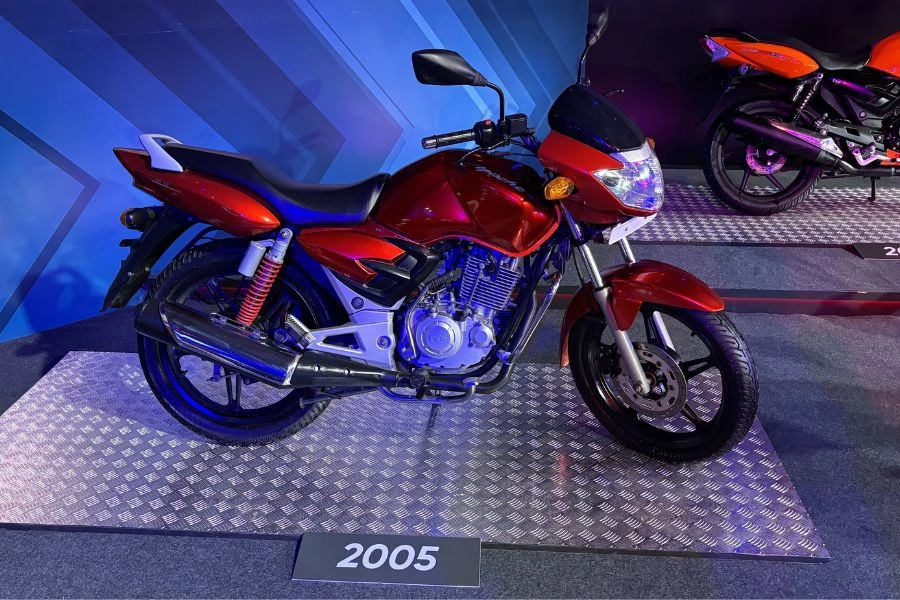
More importantly, it changed how people looked at TVS. Until then, the company was largely associated with practical commuter motorcycles. The Apache proved that TVS could build motorcycles for enthusiasts as well.
TVS Apache – Racing Throttle Response “RTR”
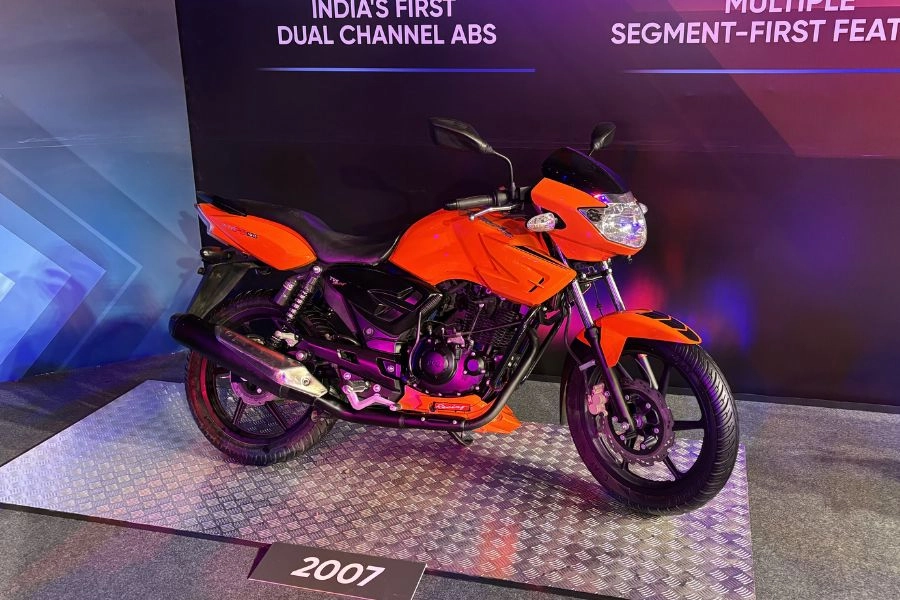
In 2007, TVS introduced a name that would become iconic among Indian riders.The Apache RTR 160.
RTR stood for Racing Throttle Response, a name inspired directly by TVS Racing. The motorcycle brought sharper styling, stronger performance and India’s first fuel injected motorcycle in its segment. It quickly became one of the most popular choices among young riders looking for a balance of everyday usability and excitement.
The RTR family would continue evolving over the years through multiple updates, eventually receiving four valve technology, fuel injection, ABS and improved performance, allowing it to compete against motorcycles like the Yamaha FZ, Suzuki Gixxer and Honda CB Hornet. Even today, the RTR 160 remains one of the strongest pillars of the Apache lineup.
TVS Apache – Taking On Bigger Rivals
In 2009, TVS entered the 180 cc segment with the Apache RTR 180.At a time when the Bajaj Pulsar 180 dominated the category, TVS responded with a more powerful motorcycle producing 17.03 bhp and 15.5 Nm of torque. It immediately positioned itself as a genuine performance alternative.
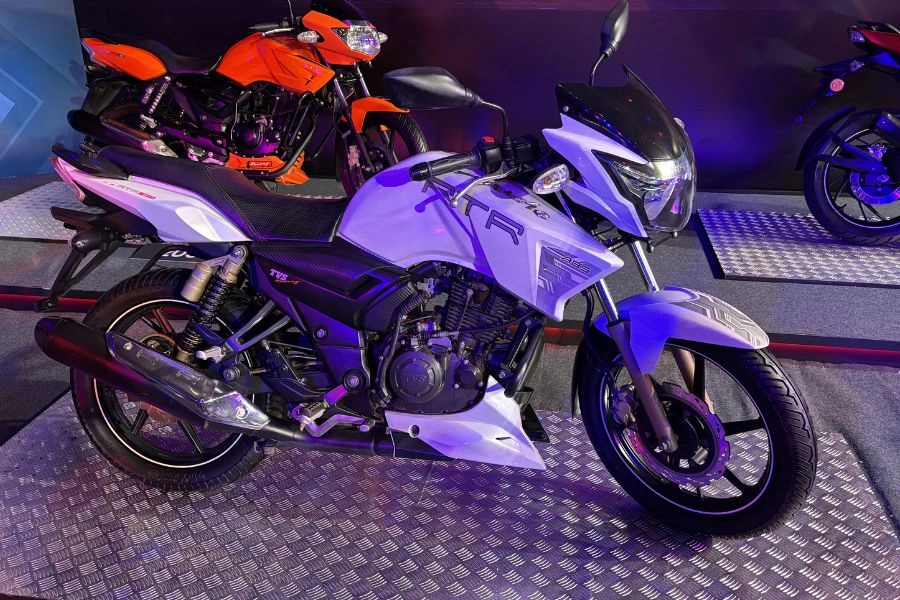
Two years later, TVS made history by introducing ABS on the RTR 180, making it India’s first motorcycle to be offered with ABS. This was a major milestone for motorcycle safety in the country and showed that TVS was willing to bring premium technology to affordable motorcycles long before it became an industry standard.
TVS Apache – A New Era Begins
The biggest leap came in 2016 with the launch of the Apache RTR 200 4V.
Instead of simply increasing engine capacity, TVS developed an entirely new platform. The motorcycle introduced a new 198 cc oil cooled engine producing over 20 bhp, a race derived Double Cradle Split Synchro Stiff frame, rear monoshock suspension and the company’s new four valve cylinder head technology.
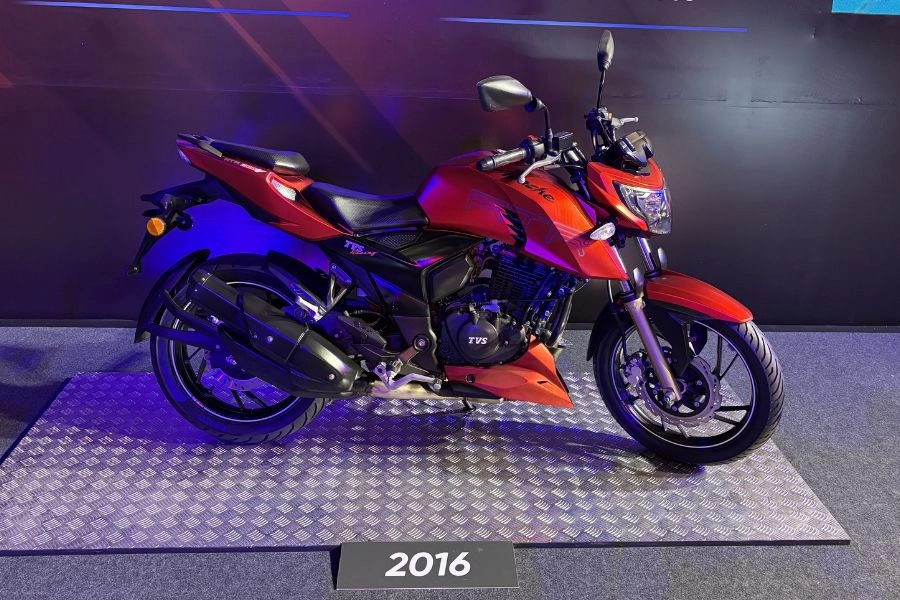
The RTR 200 became a technology showcase. Over time it gained riding modes, adjustable suspension, Bluetooth connectivity through SmartXConnect and several other segment leading features that demonstrated how quickly TVS was pushing the Apache brand forward. It was no longer just competing, it was beginning to lead.
TVS Apache – Taking India Global
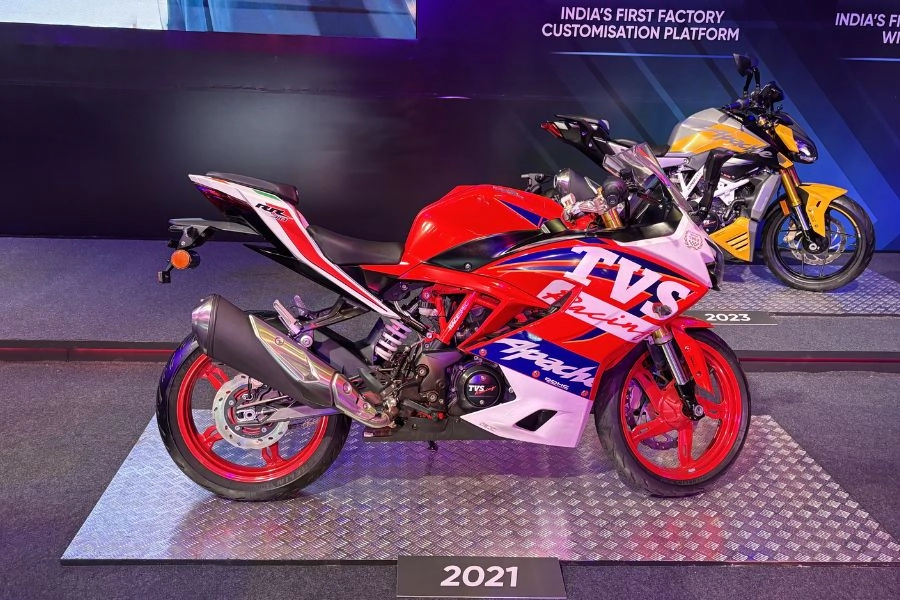
In 2017, TVS entered a completely different league. The Apache RR 310 became the company’s flagship supersport motorcycle and marked the beginning of its collaboration with BMW Motorrad. Sharing its platform with the BMW G 310 RR while retaining TVS engineering and manufacturing expertise, the RR 310 brought premium engineering within reach of Indian enthusiasts. Powered by a 312 cc liquid cooled engine producing nearly 38 bhp, it became the fastest and most technologically advanced Apache ever built. More importantly, it gave the Apache name global recognition.
TVS Apache – Limited Editions and New Possibilities
TVS continued expanding the family with the Apache RTR 165 RP in 2021. Limited to just 200 motorcycles, it became the first model under the company’s Race Performance series. With higher output, revised gearing and exclusive styling, it celebrated TVS Racing’s engineering capabilities while becoming an instant collector’s motorcycle.
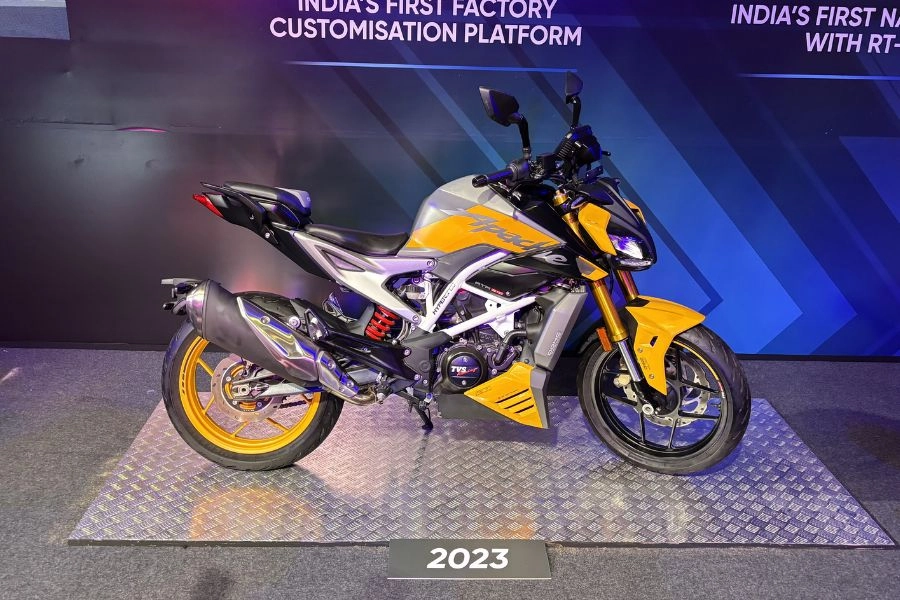
In 2023 came the Apache RTR 310. Sharing its mechanical foundation with the RR 310 but adopting an aggressive streetfighter design, it brought premium electronics, cruise control, climate controlled seat, tyre pressure monitoring system and multiple riding modes into a naked motorcycle segment that was rapidly evolving. It proved that Apache was no longer just about outright performance. It had become a technology leader as well.
TVS Apache – The Biggest Expansion Yet
After spending two decades building street motorcycles and supersport machines, TVS finally entered the adventure touring segment in 2025 with the Apache RTX.
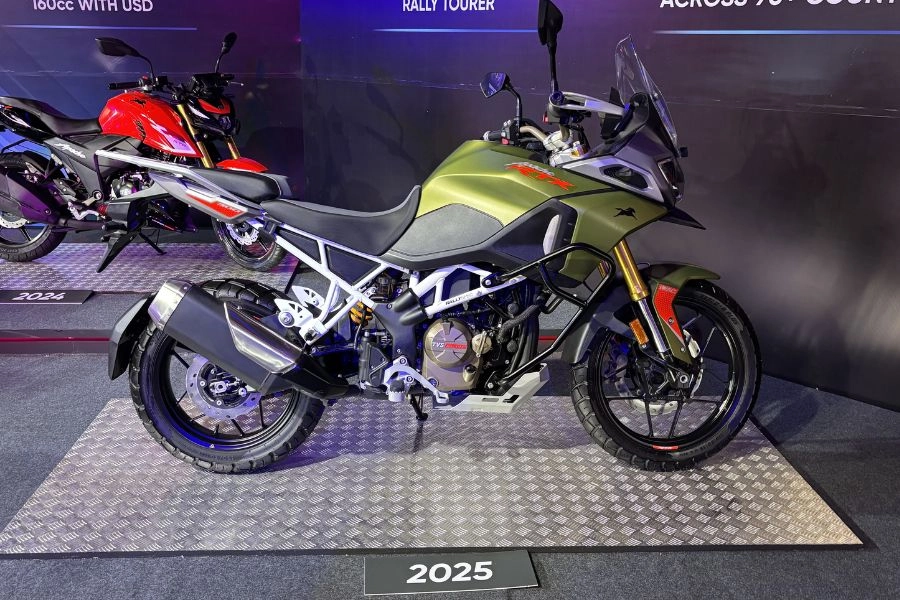
The RTX became the first ever adventure motorcycle to wear the TVS Apache badge and represented an entirely new direction for the brand. Built around the all new 299.1 cc RT XD4 liquid cooled engine producing 36 PS and 28.5 Nm of torque, the motorcycle introduced ride by wire throttle, slipper clutch, quickshifter, multiple riding technologies and adventure focused ergonomics.
Rather than creating a completely separate identity, TVS chose to extend the Apache name into adventure touring, showing just how much trust and recognition the brand had built over twenty years. The Apache had finally grown beyond racetracks and city streets into a motorcycle built to explore the unknown.
TVS Apache – Seven Million Stories
Today, the TVS Apache family stretches across street motorcycles, fully faired supersports and adventure tourers while reaching riders in Latin America, Asia, Africa and several European markets. Yet the biggest achievement cannot be measured in sales numbers or export markets.
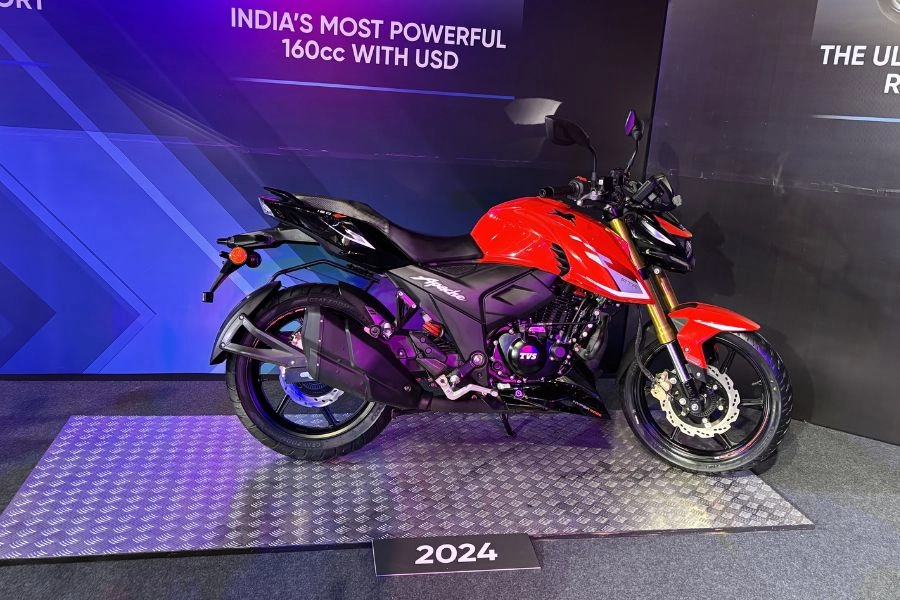
It lies in the memories. For one rider, it was the first motorcycle bought after landing a first job. For another, it was the motorcycle that waited outside college every morning. For someone else, it was the first machine that introduced them to racing. For me, it will always be that yellow Apache from “Ayan”.
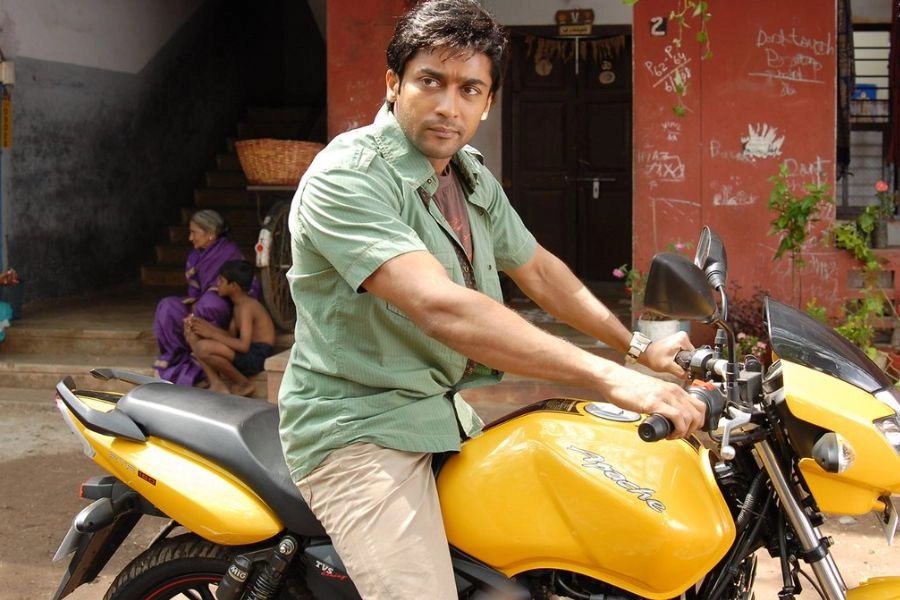
That is what makes the TVS Apache special. It is not simply a motorcycle that has evolved through bigger engines, better technology and more performance. It is a motorcycle that has quietly grown alongside an entire generation of Indian riders. Seven million motorcycles later, the Apache story is no longer just TVS’ story. It belongs to everyone who has ever looked back at their motorcycle after parking it, smiled, and thought, this one is special.
Pingback: TVS Jupiter Dual Tone Variant Launched With New Colours and Segment-First Features - Shutterdrives