
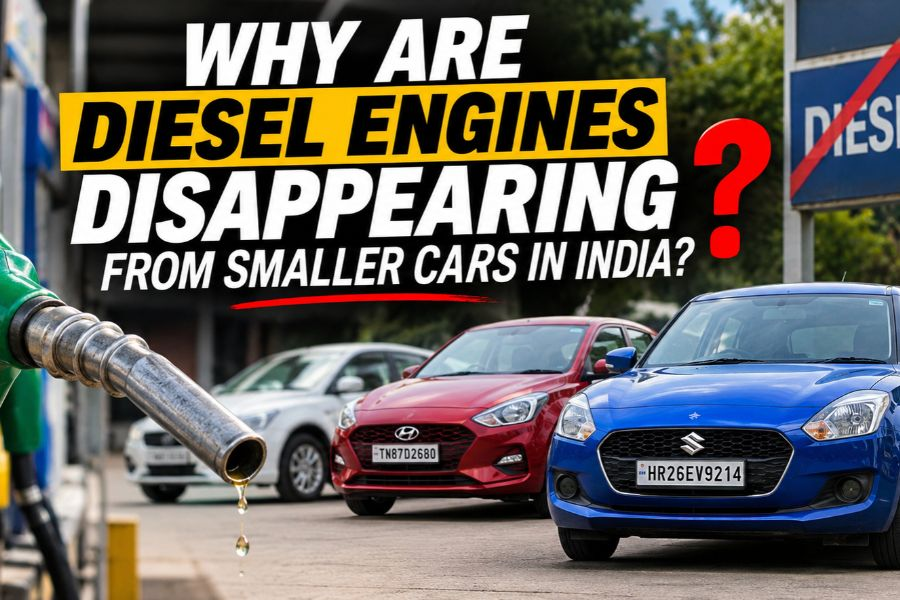
Diesel engines were once a popular choice among Indian car buyers, particularly those looking for better fuel efficiency and lower running costs. However, the Indian passenger vehicle market has witnessed a steady decline in the availability of diesel-powered hatchbacks and compact cars over the past few years. Several manufacturers have either discontinued their smaller diesel models or shifted their focus towards petrol, CNG and hybrid powertrains.
The transition is largely driven by stricter emission regulations, rising diesel-engine development costs and changing consumer preferences. However, diesel engines have not disappeared entirely from the Indian market, with manufacturers continuing to offer them in select compact SUVs and larger vehicles. Stricter emission norms increased development costs
One of the biggest reasons behind this shift was the introduction of BS6 emission standards in April 2020. Unlike petrol engines, diesel engines require more complex exhaust after-treatment systems to control pollutants such as nitrogen oxides (NOx) and particulate matter.
To comply with these regulations, manufacturers had to introduce technologies such as diesel particulate filters (DPF), selective catalytic reduction (SCR) systems and lean NOx traps, depending on the engine and its emission-control requirements. These additions increased manufacturing costs and made diesel-powered small cars considerably more expensive.

The introduction of BS6 Phase 2 emission norms in April 2023 further increased the compliance requirements. Real Driving Emissions (RDE) testing required vehicles to meet emission limits under real-world driving conditions, rather than only during laboratory testing. Upgrading smaller diesel engines to meet these requirements required additional investment, which was difficult to justify for models with relatively low diesel sales.
The price difference became harder to justify. Another important factor was the growing price difference between petrol and diesel variants. Diesel engines traditionally offered better fuel efficiency and lower running costs, making them attractive to buyers who covered long distances.

However, stricter emission requirements increased the upfront cost of diesel-powered cars. With the price difference between petrol and diesel fuel also narrowing compared with earlier years, buyers needed to drive considerably more kilometres to recover the additional purchase cost.
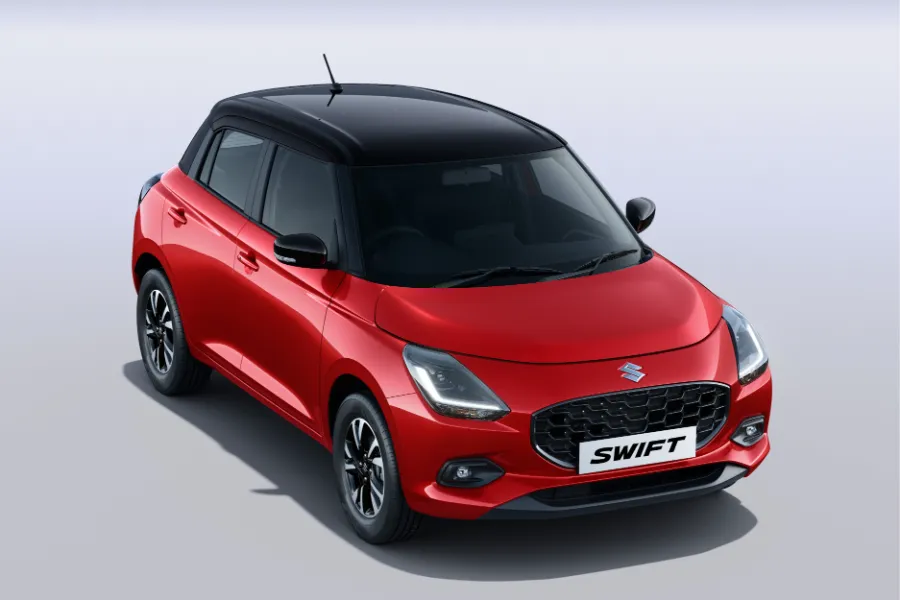
This became particularly challenging in smaller hatchbacks, where customers often prioritise affordability and lower ownership costs. Maruti Suzuki, for instance, officially discontinued its diesel-powered models from April 2020, stating that the cost of upgrading to BS6 diesel technology made the business case difficult.
Manufacturers are focusing on alternative powertrains. Changing customer preferences have also influenced manufacturers’ decisions. Petrol engines, turbo-petrol units, factory-fitted CNG systems and hybrid powertrains have become important alternatives in the mass-market segment.
Maruti Suzuki has expanded its CNG portfolio, while other manufacturers have invested in petrol and alternative-fuel technologies. These powertrains allow companies to cater to buyers looking for lower running costs without maintaining multiple diesel engine configurations.

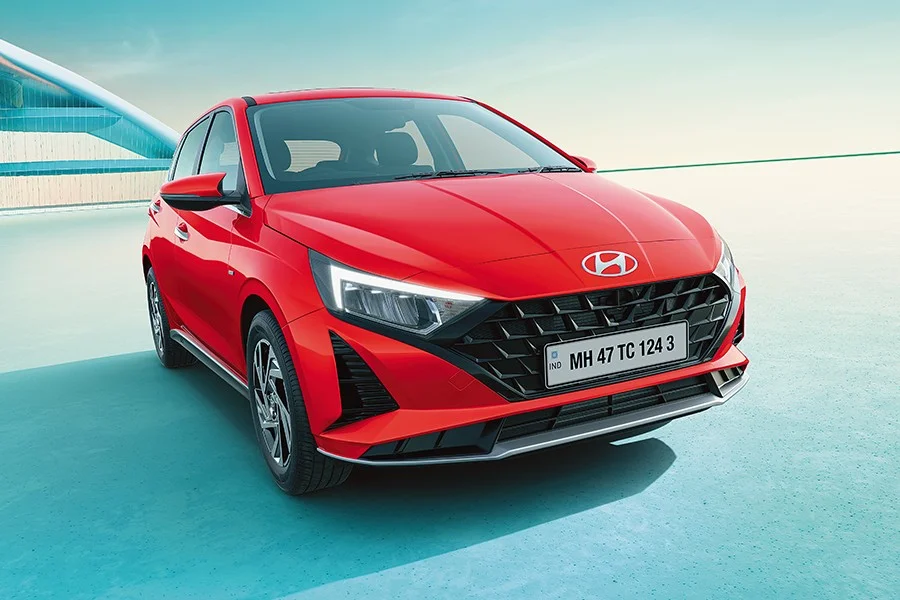
Diesel engines have also lost ground in affordable sedans. Honda discontinued its diesel engine production in India in 2023, while Hyundai dropped diesel options from models such as the Grand i10 Nios, Aura and i20.
Diesel is not disappearing completely, despite the declining availability of diesel engines in smaller cars, the powertrain continues to have a presence in India’s SUV market. Models such as the Tata Nexon, Hyundai Venue, Kia Sonet and Mahindra XUV 3XO continue to offer diesel options.

The Tata Altroz also remains a notable exception in the hatchback segment, as it continues to offer a 1.5-litre diesel engine. Ultimately, diesel engines are disappearing from smaller cars not because they have become technically unsuitable, but because stricter emission regulations, higher development costs and changing buyer preferences have made them less commercially viable. For manufacturers, concentrating diesel technology in SUVs and larger vehicles makes more business sense than investing in diesel options for every small car.