
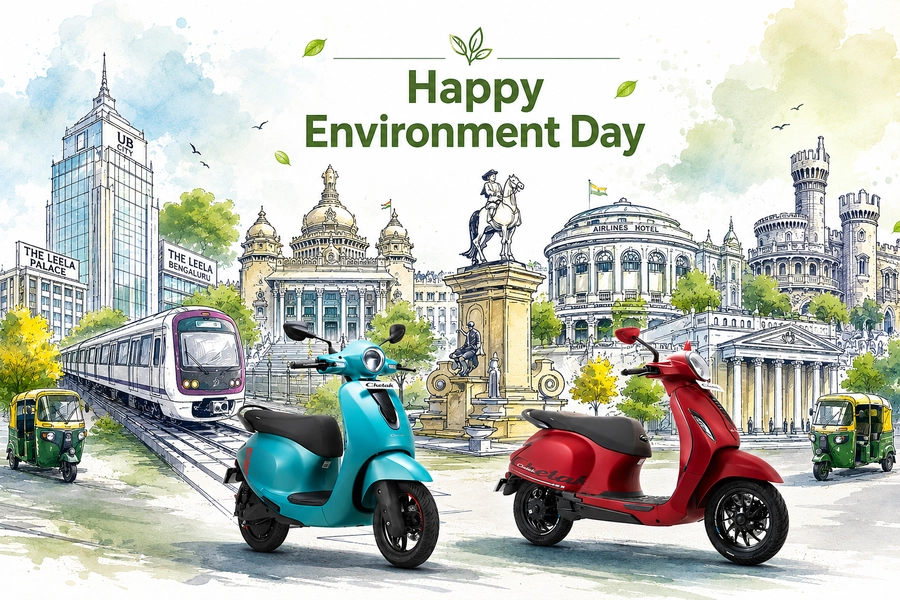
In Bengaluru, the shift towards electric mobility is no longer limited to early adopters or technology enthusiasts. Increasingly, it is being driven by ordinary commuters looking for something simpler, smarter and more practical for everyday city life. This World Environment Day, the city’s growing EV story is becoming less about novelty and more about usability.
With rising fuel prices, worsening traffic congestion and increasing environmental awareness, many first-time buyers are now evaluating electric scooters through a very practical lens. Can it handle daily commutes comfortably? Is it easy to ride in traffic? Will it fit seamlessly into family routines?
Across residential neighborhoods, metro corridors and office districts, these questions are shaping purchase decisions, especially among young professionals, students and women riders buying their first EV. That is where practical electric scooters such as the Bajaj Chetak line-up are beginning to find strong resonance in Bengaluru.
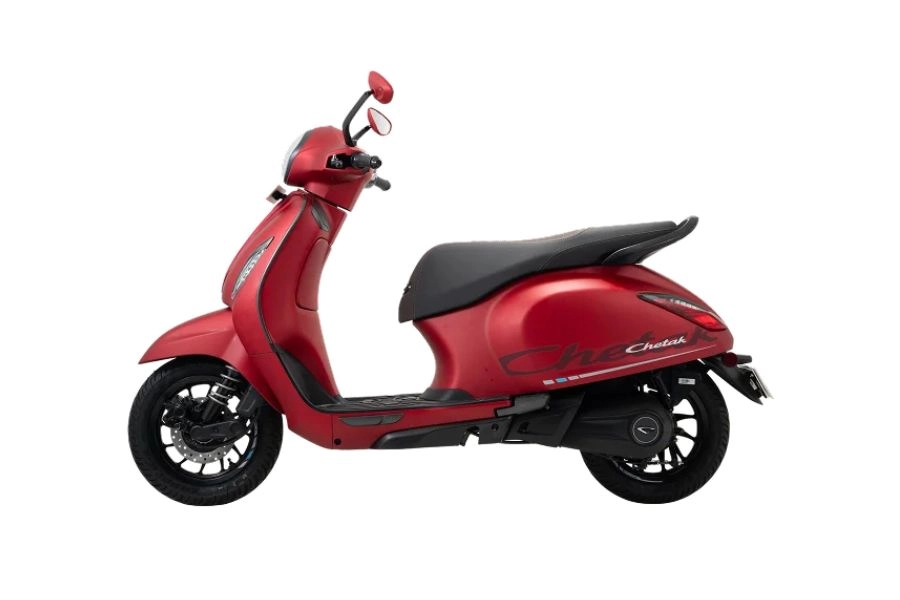
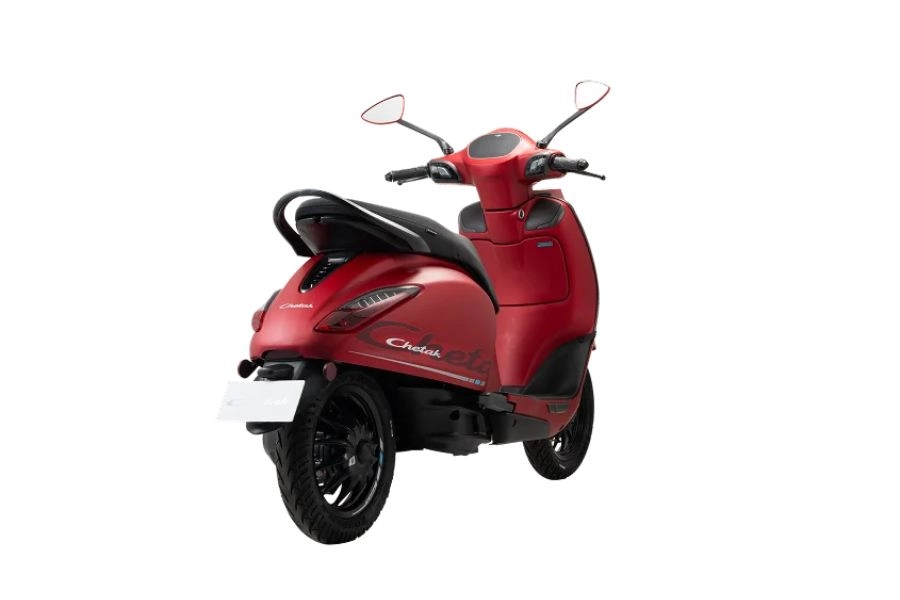
This is where scooters like the Chetak C25 are beginning to stand out. For many women riders and first-time commuters, what matters most is ease and confidence in everyday riding. The C25’s lightweight design, easy manoeuvrability and short turning radius make it comfortable to handle in Bengaluru’s traffic and apartment parking spaces. Features such as Eco and Sports riding modes, call and music controls on the LCD display, and an all-metal body add to the everyday convenience, while the increased 60 kmph top speed makes longer city commutes smoother and more practical.
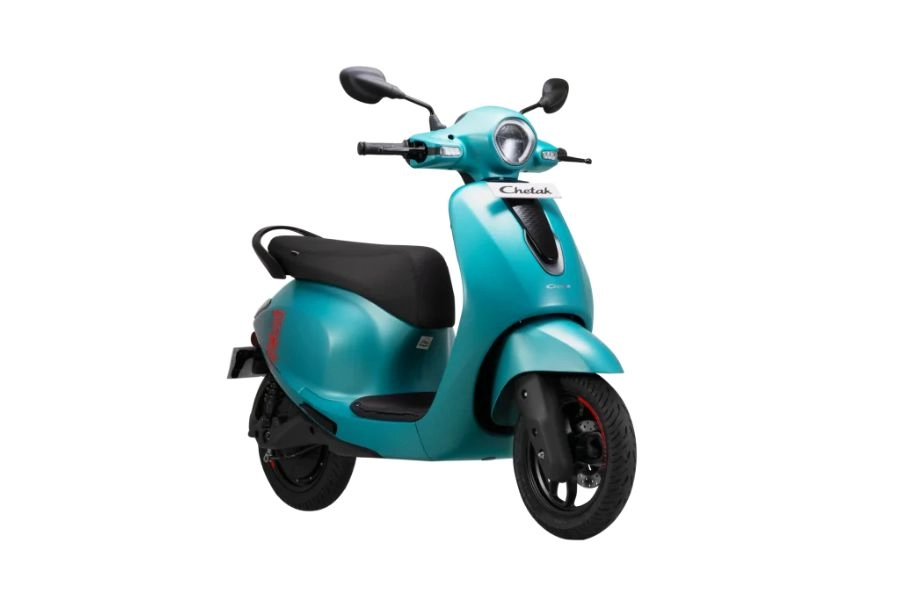
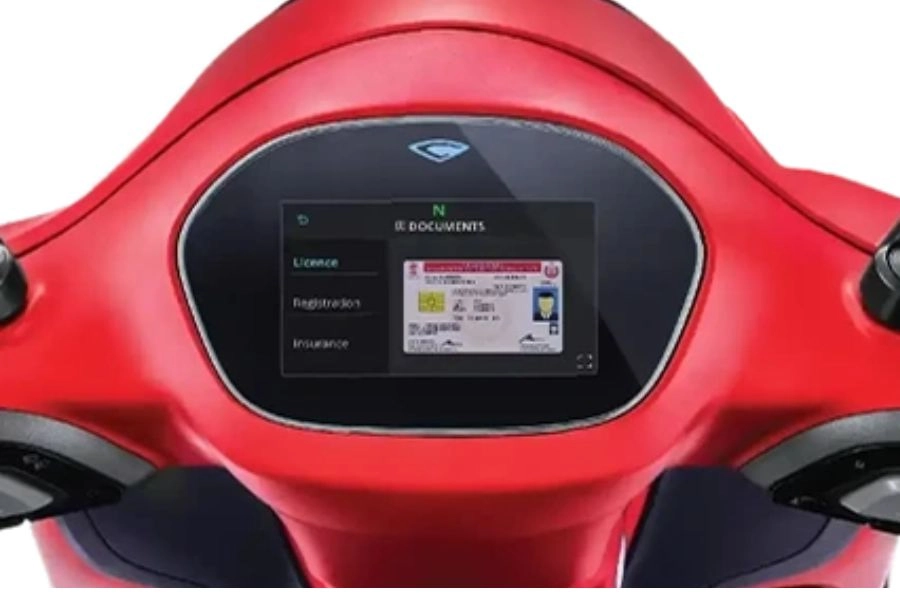
At the same time, Bengaluru’s growing base of tech-savvy commuters is looking for scooters that feel smarter and more connected to everyday life. The Chetak 35 Series is built around that experience. Features such as Google Maps integration on a 5.5-inch touchscreen, keyless access and anti-theft alerts make everyday commuting more seamless and intuitive. The large 35-litre underseat storage, front glove box and 80 kmph top speed further add to its practicality, while the overall experience reflects Bajaj’s focus on bringing advanced yet usable technology into urban mobility.
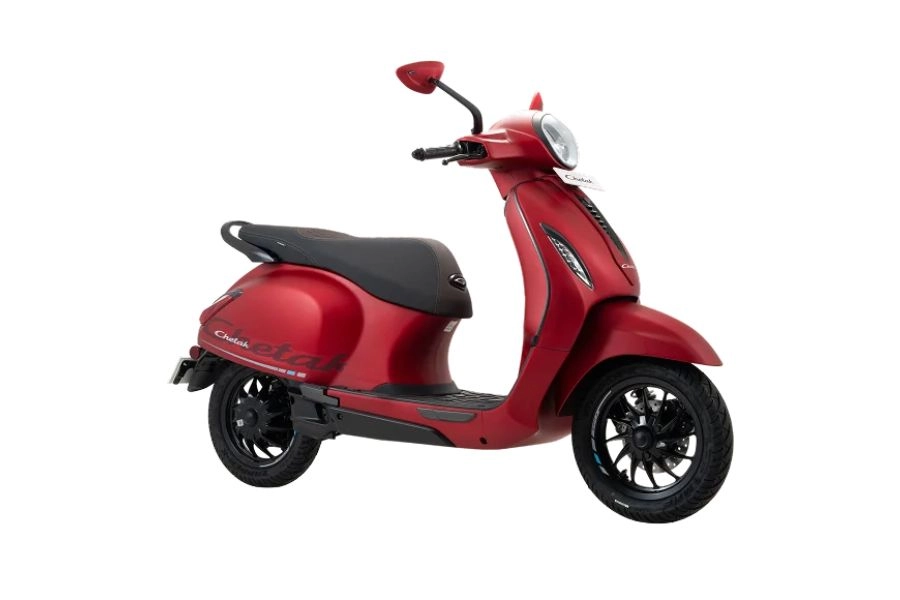
Another factor quietly supporting this shift is the improving charging ecosystem across the city. From residential societies installing dedicated charging points to workplaces and public spaces offering accessible charging solutions, range anxiety is gradually becoming less of a concern for everyday users. For most city commutes, riders are beginning to realise that charging once every few days is often enough, making EV ownership feel far less demanding than initially perceived.
Service experience is also playing a key role in shaping confidence among new buyers. With fewer moving parts and reduced maintenance requirements compared to conventional scooters, EVs are increasingly seen as hassle free in the long run. For many users, fewer service visits and predictable running costs are becoming as important as the riding experience itself.
What is becoming increasingly clear is that Bengaluru’s EV transition is not being shaped only by environmental conversations. It is also being shaped by convenience, reliability and the search for stress-free mobility in a city constantly on the move. And perhaps that is what makes this green shift more meaningful – it feels less like a trend, and more like a natural evolution of urban life.