

As 2025 comes to a close, several carmakers in India have confirmed price hikes that will come into effect from January 1, 2026. After offering significant price corrections earlier this year following GST revisions, manufacturers are now revisiting prices to offset rising input costs, logistics expenses and currency fluctuations. While these increases are not aggressive, they will still have an impact on buyers planning to take delivery in the new year.
Mercedes-Benz – Price Hike
Mercedes-Benz India has announced a price hike of up to 2 percent across its model range starting January 2026. In an official statement, the company said the revision is necessary to partially offset rising production costs and sustained exchange rate pressures. Mercedes-Benz added that it has absorbed a significant portion of the cost escalation over the past year, limiting the impact on customers. Despite the increase, several models in the lineup will continue to be priced lower than their pre-GST revision levels seen earlier in 2025.

BMW – Price Hike
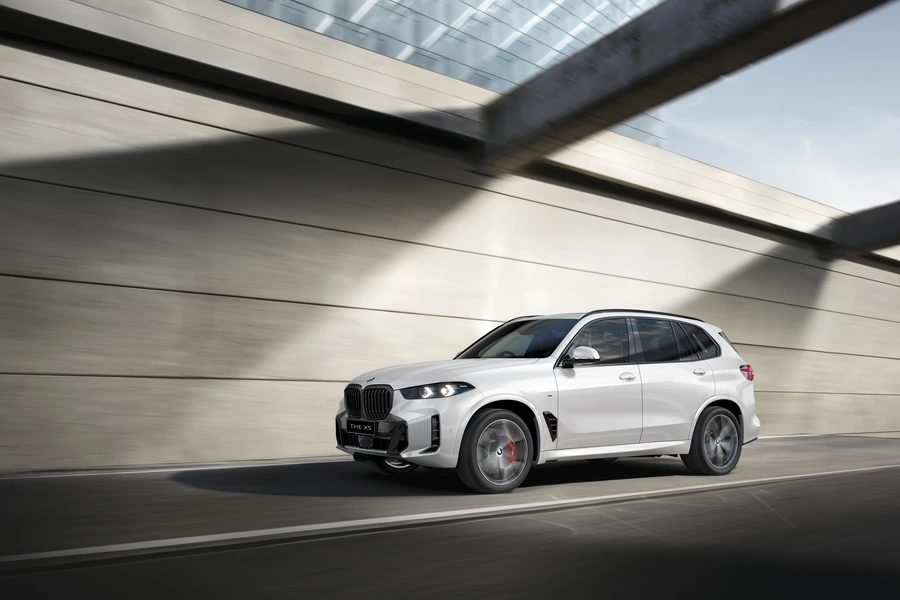
BMW will implement another price increase from January 2026, following its last revision in September 2025. Prices are expected to rise by around 2 to 3 percent depending on the model. The hike applies to both locally assembled and fully imported BMW models. Even after this adjustment, most BMW cars are likely to remain more affordable than they were before the GST changes earlier this year.
BYD – Price Hike
BYD has confirmed a price hike for its Sealion 7 electric SUV starting January 1, 2026. While the brand has not revealed the exact quantum of the increase, customers who book the vehicle before the end of December 2025 will be able to lock in current pricing. At present, BYD has not announced any price revisions for the rest of its lineup, including the Seal sedan and the eMax 7 MPV.

MG Motor India – Price Hike
JSW MG Motor will increase prices across its petrol, diesel and electric vehicle lineup by up to 2 percent in 2026. In the EV space, models like the Windsor EV are expected to see a hike in the range of Rs 30,000 to Rs 37,000, while the Comet EV could become costlier by around Rs 10,000 to Rs 20,000, depending on the variant.

Nissan – Price Hike
Nissan India plans to increase prices by up to 3 percent across its portfolio from January 2026. This comes as the brand prepares to strengthen its presence in the Indian market with new launches lined up for the coming year. Although models like the Magnite benefited from earlier GST-related price cuts, customers can expect modest increases across variants. Nissan also plans to launch new models in the upcoming year, with first one christened the “Gravite” coming in January of 2026.

Honda – Price Hike
Honda Cars India has confirmed that a price revision will take effect from January 1, 2026. The company has not disclosed the exact quantum of the hike yet, but it is expected to be in line with the broader industry trend. The price will effect all models like the Honda City, Elevate and Amaze

Renault – Price Hike
Renault will also revise prices upward by up to 2 percent starting January 2026. The hike will apply across models such as the Kwid, Triber and Kiger, with the exact increase varying by variant. The brand is also preparing for an expanded product lineup in India, including the return of the Duster in the coming year.

Despite the upcoming price hikes, most vehicles will still remain cheaper than their pre-GST revision prices from earlier in 2025. However, the advantage of lower pricing will reduce slightly once the new rates come into effect.
For buyers planning a new car purchase, locking in prices before December 31, 2025 could result in meaningful savings, especially when combined with year-end offers and dealer discounts.