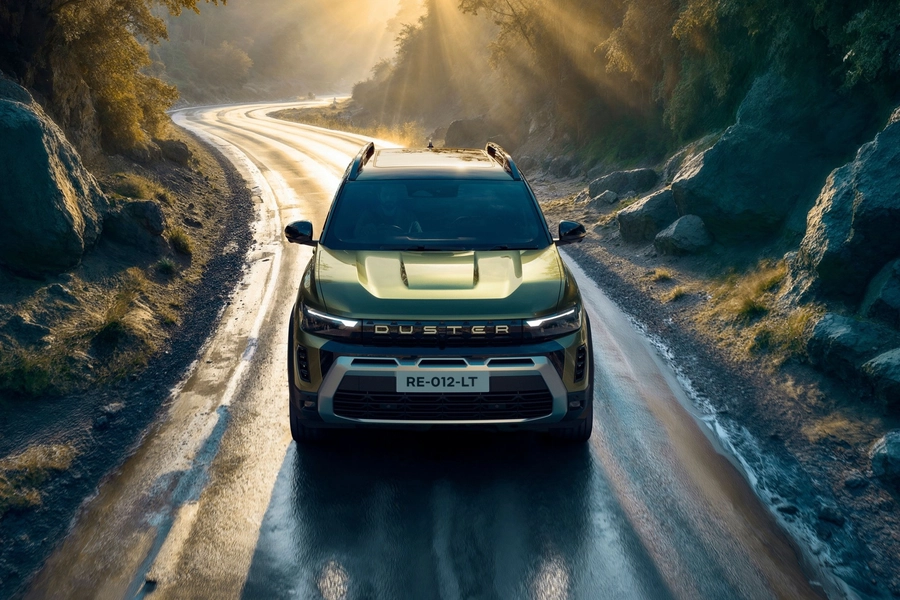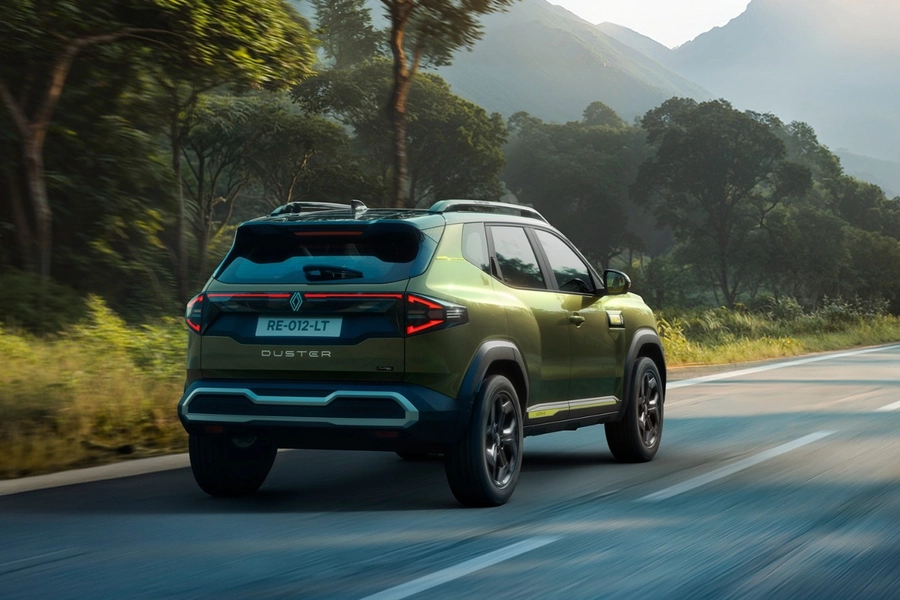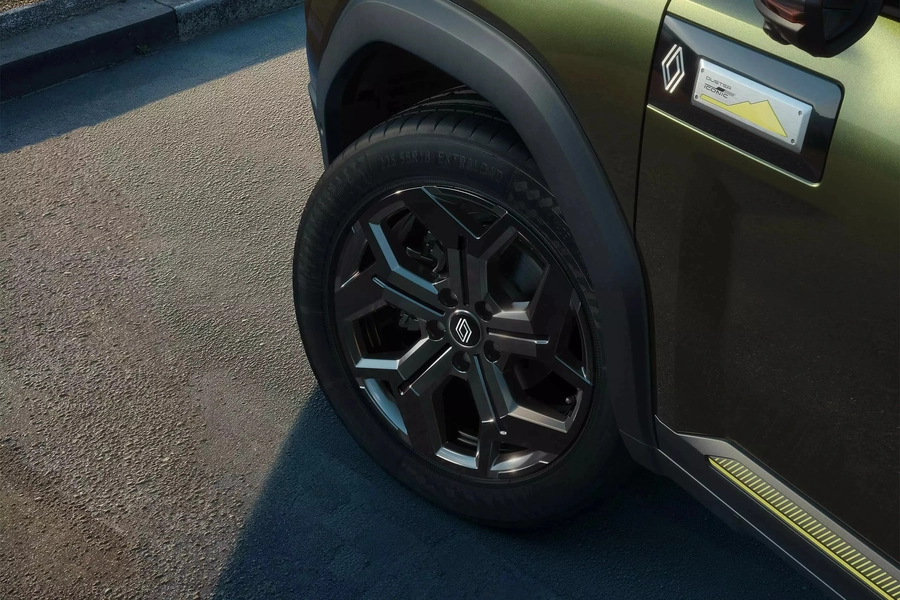
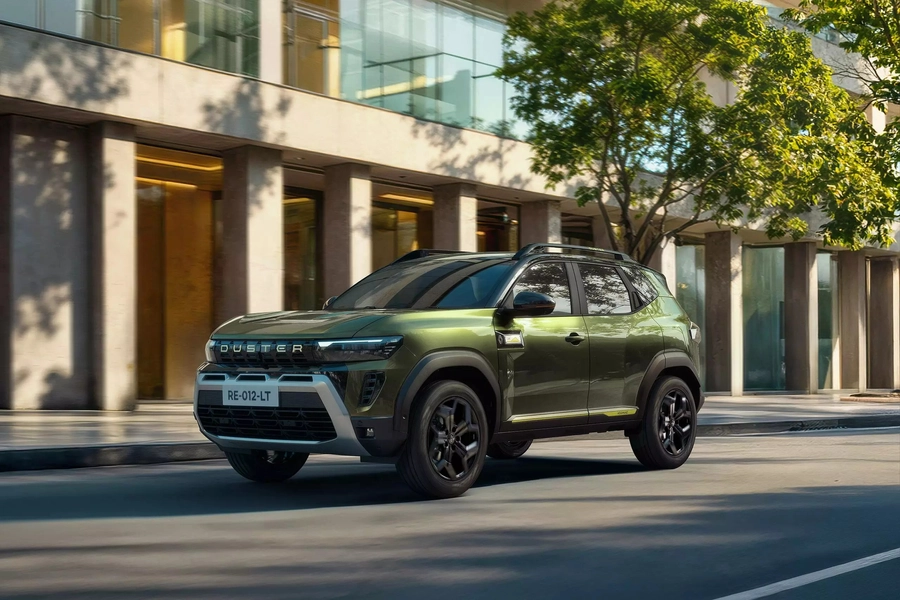
Renault has officially launched the third generation Duster in India, marking the return of one of the brand’s most recognisable nameplates after a four year absence. Unveiled at a large scale launch event in Chennai, the new Duster arrives with a completely fresh design, updated underpinnings and a broader focus on technology, safety and powertrain options, as Renault looks to re-establish its presence in the highly competitive mid size SUV segment.
With bookings now open and deliveries scheduled in phases, the new Duster brings several key updates that potential buyers should be aware of before making a decision. From its range of engine options and interior features to safety equipment, exterior design and timeline related details, here are the five most important things you need to know about the third generation Renault Duster.
3rd Gen Renault Duster – Powertrain Options
The third generation Renault Duster is offered with three petrol engine options, aimed at covering a wide spectrum of buyer preferences. Headlining the range is a strong hybrid petrol powertrain, making the Duster one of the few SUVs in its segment to offer a hybrid setup. This system combines a 1.8 litre four cylinder petrol engine producing 109hp with a 49hp electric motor and a 20hp hybrid starter generator, supported by a 1.4kWh battery. Renault has confirmed that deliveries of the hybrid variants will commence around Diwali 2026.
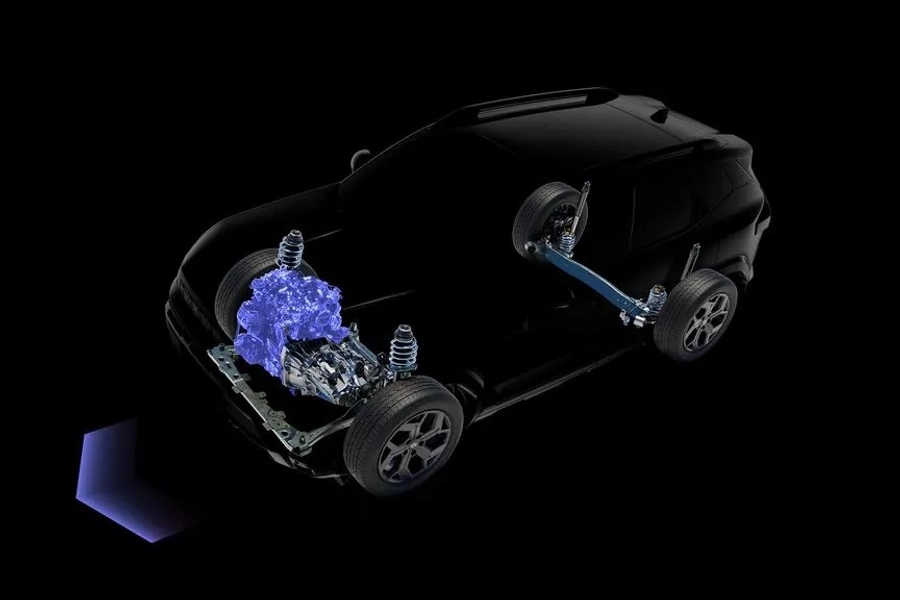
Alongside the hybrid, the Duster will also be available with two turbo petrol engines. The more powerful option is a 1.3 litre turbo petrol unit that produces 163hp and 280Nm of torque and is paired with a six speed wet clutch dual clutch automatic transmission. The entry level offering is a 1.0 litre turbo petrol engine generating 100hp and 160Nm, mated to a six speed manual gearbox.
For the Indian market, all variants of the new Duster will be offered with front wheel drive only. Renault has not yet confirmed plans to introduce an all wheel drive version, despite the international spec Duster being available with AWD in select markets.
3rd Gen Renault Duster – Bookings, Pricing and Delivery timeline
Customers can now pre book the new Renault Duster by purchasing the brand’s R Pass for ₹21,000 through Renault’s official website. Buyers opting for the R Pass will receive a set of early access benefits, including special introductory pricing, priority delivery, complimentary Gang of Dusters merchandise and an opportunity to witness the new Duster being built at Renault’s manufacturing facility.
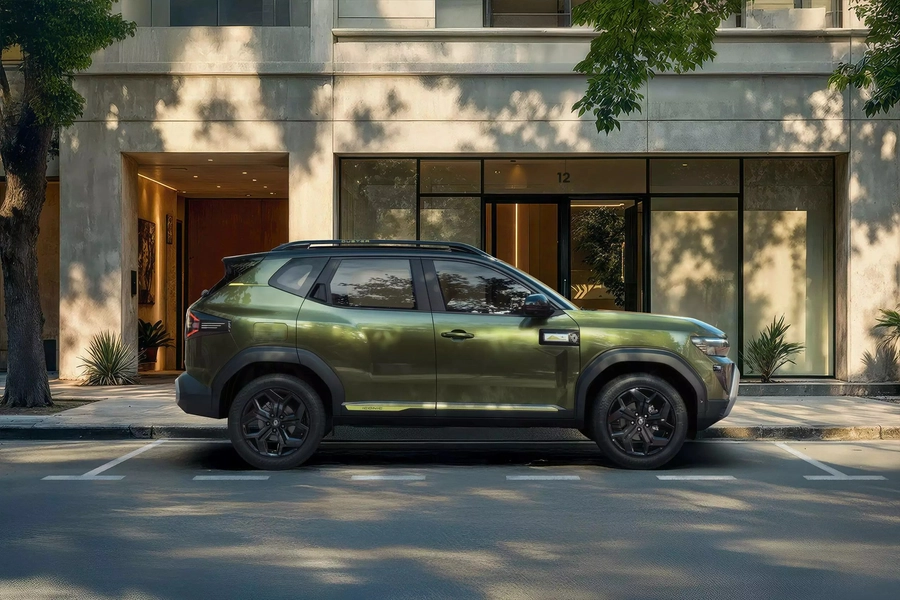
Renault has confirmed that prices for the new Duster will be announced in mid March 2026, with customer deliveries scheduled to begin in April 2026 for the 1.3 turbo and 1.0 turbo. Deliveries of the strong hybrid variants will follow at a later stage, with rollout planned around the Diwali 2026 festive period.
3rd Gen Renault Duster – Interior features and Technology
Inside, the third generation Renault Duster adopts a significantly more modern and tech focused cabin layout compared to its predecessor. The dashboard features a contemporary layered design with a driver angled centre console that houses a 10.1 inch touchscreen infotainment system. This is paired with a 10.25 inch fully digital instrument cluster that displays key driving information, including navigation prompts mirrored directly from the infotainment system, allowing map replication within the driver’s display.
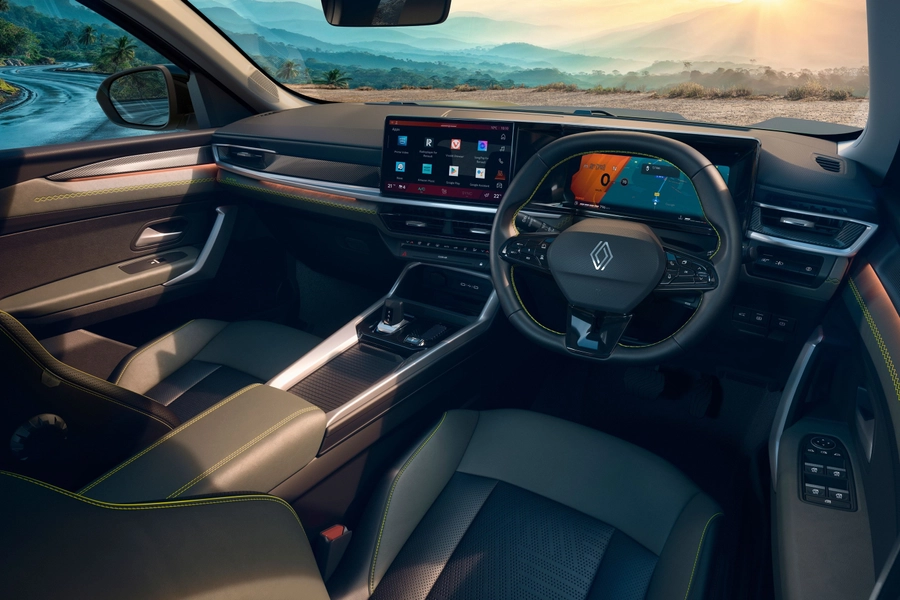
Despite the shift towards a digital interface, Renault has retained physical buttons for essential functions, improving ease of use while driving. The infotainment system runs on Google built in technology, offering native access to Google Maps, Google Assistant and Google Play. Renault has also confirmed that Google Assistant will be upgraded with Gemini capabilities in the coming days. The system supports seamless entertainment streaming and is complemented by over 60 connected car features accessible via the MYR app.
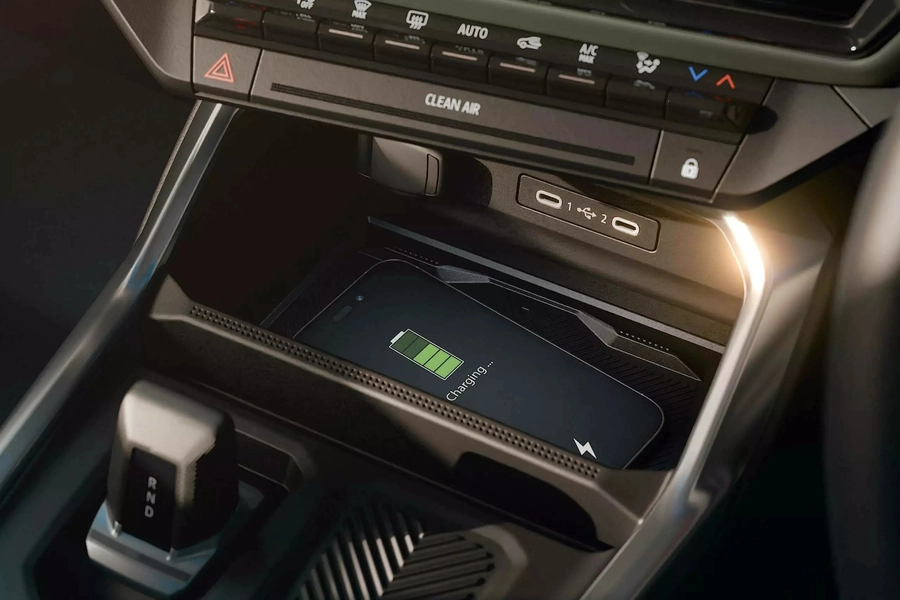
In terms of comfort and convenience, the SUV offers a comprehensive feature list. Highlights include an electric panoramic sunroof, an electric powered tailgate, an electronic parking brake with auto hold and dual zone automatic climate control. Cabin air quality is monitored through a Clean Air AQI system with PM2.5 display. The SUV also gets Multi Sense drive modes paired with up to 48 ambient lighting customisation options.
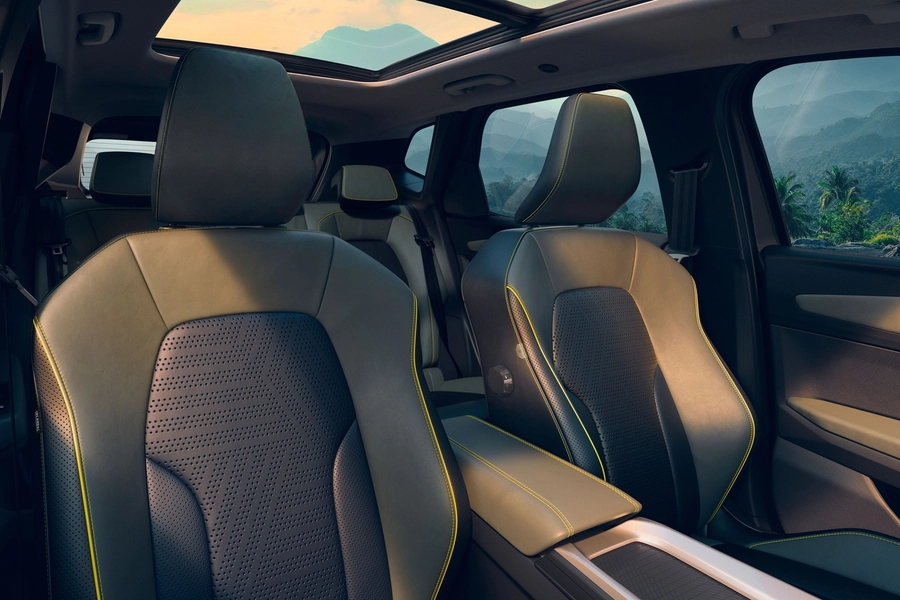
The Duster is equipped with electrically adjustable front seats offering six way adjustment, manual lumbar support and ventilation. Other notable features include auto headlamps, rain sensing wipers, a hands free access card with push button start, an auto dimming interior rearview mirror and all four power windows with auto up and down functionality. Additional touches such as touch activated cabin lighting, wireless smartphone charging, puddle lamps and an Arkamys auditorium sound system with six speakers round out the interior package.
3rd Gen Renault Duster – Safety Features
The Duster is equipped with up to 17 ADAS (advanced driver assistance system) features, including adaptive cruise control, active emergency braking, lane keep assist, traffic sign recognition. The SUV also is kitted out with 360 degree camera system. Renault has also mentioned that there will be 35 standard safety features on the entire range.
In addition to these driver assistance technologies, the Duster comes equipped with all regulation mandated safety features. These include six airbags, ABS with electronic brakeforce distribution, electronic stability control and ISOFIX child seat anchor points, ensuring compliance with current safety norms in the Indian market.