

Most of us did not plan on becoming Formula 1 fans. It just happened somewhere between late night scrolling and discovering something new called “Drive to Survive”. For many in India, the connection goes further back, to the roar of engines at the Indian Grand Prix in 2011, and that unforgettable 2013 race where Sebastian Vettel sealed his fourth world title. Others have been pulled in more recently by the dominance of Max Verstappen, the legacy of Lewis Hamilton, and the spectacle that unfolds every race weekend.
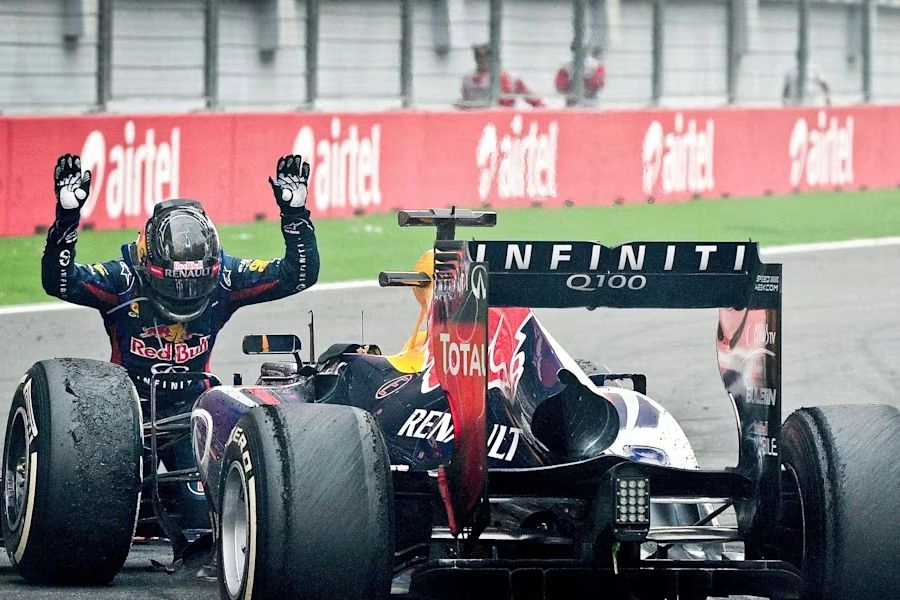
But behind the flashy headlines, the Instagram stories that simply say P1, and the podium celebrations lies a sport layered with strategy, engineering brilliance, and split second decisions. If you have ever posted race results without really knowing what goes into them, or if you are just curious about what makes Formula 1 tick, this is where it starts.
This is your beginner’s guide to Formula 1.
Beginner’s Guide to Formula 1 – Drivers
At its core, Formula One is a team sport disguised as an individual one. This season features 11 teams, each fielding two cars, making for a grid of 22 drivers.
Each team competes in two championships. The Drivers Championship focuses on individual performance, while the Constructors Championship is awarded to the team that scores the most combined points from both cars. Currently, McLaren stands as the defending champion in both, with Lando Norris taking the Drivers title last season. The 2026 season also introduces Cadillac Formula 1 Team and Audi Revolut F1 (previously Sauber Motorsport), adding a fresh dynamic to the grid.
Each team designs and builds its own car according to regulations set by the FIA, the governing body of the sport. Some teams build their own engines, while others partner with suppliers, but every car is a result of thousands of components working together with extreme precision.
Beginner’s Guide to Formula 1 – Cars
Formula 1 cars are among the most advanced machines in motorsport. Built using lightweight carbon fibre and powered by 1.6 litre V6 turbo hybrid engines, they can reach speeds of nearly 370 kilometres per hour. These cars are designed around aerodynamic efficiency. Downforce keeps them glued to the track, allowing drivers to carry immense speed through corners. Every surface on the car is engineered to control airflow.

Hybrid systems recover energy from braking and exhaust gases, adding efficiency and performance. At the same time, drivers endure intense G forces, especially in high speed corners and heavy braking zones, making it a physically demanding experience.
Beginner’s Guide to Formula 1 – Race Weekend and Free Practice
A Formula 1 weekend unfolds over three days, and it begins with free practice sessions, commonly referred to as FP sessions. There are usually three practice sessions, FP1 and FP2 on Friday, followed by FP3 on Saturday. These sessions give teams the opportunity to understand the track, test different setups, and analyse tyre performance.
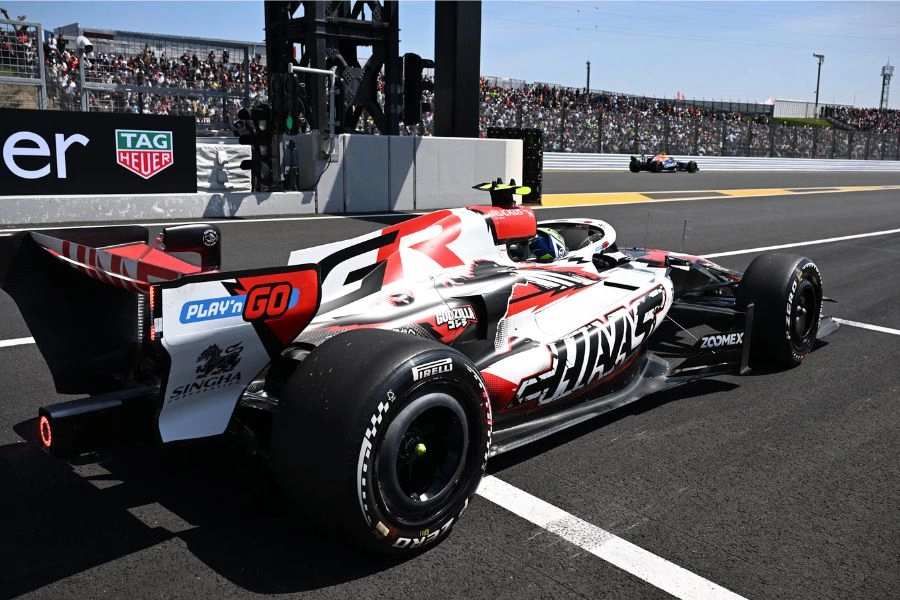
Drivers run different fuel loads, experiment with car balance, and simulate qualifying laps or race conditions. While no points are awarded, these sessions are crucial in shaping the rest of the weekend. On Sprint weekends, this structure changes slightly, which we will come to shortly.
Beginner’s Guide to Formula 1 – Qualifying or “Quali”
Once practice is complete, the focus shifts to qualifying, where drivers aim to set the fastest lap.
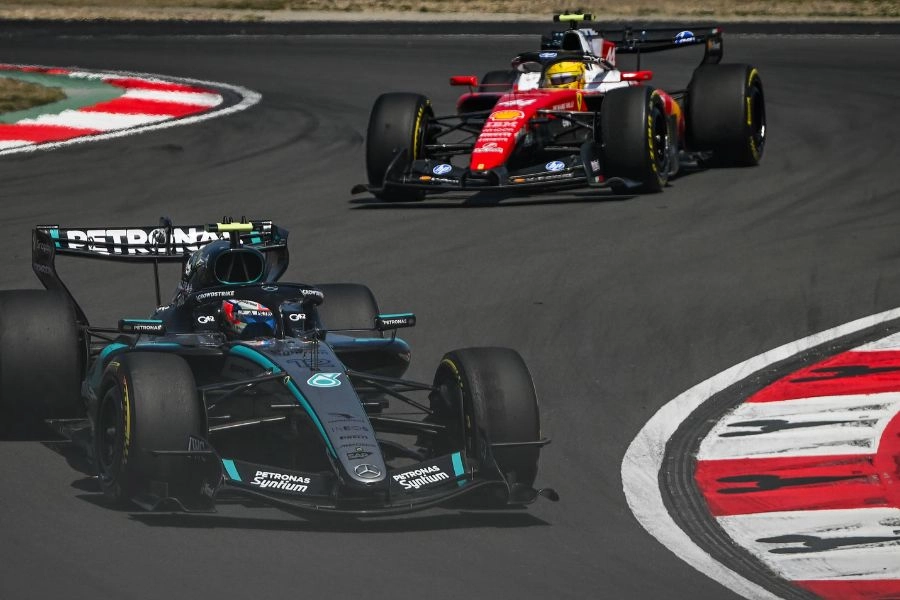
Qualifying lasts one hour and is split into three knockout stages. In Q1, which runs for 18 minutes, the slowest six drivers are eliminated. The remaining 16 move to Q2, a 15 minute session where another six drivers are knocked out. This leaves 10 drivers in Q3, a 12 minute shootout for pole position. The fastest driver earns the right to start from P1 on race day. On certain race weekends such as those in Azerbaijan and Las Vegas, qualifying may take place on a Friday instead.
Beginner’s Guide to Formula 1 – Tracks
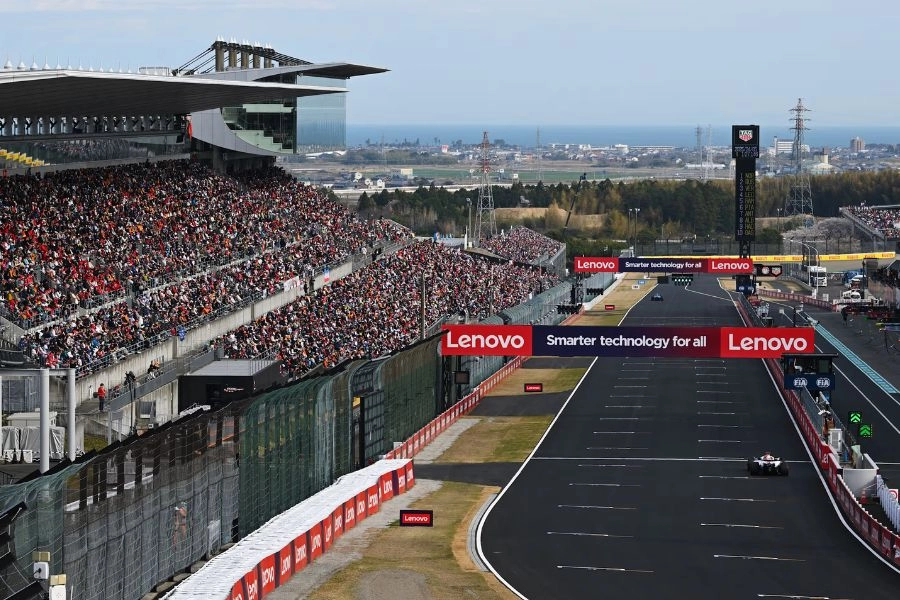
Formula 1 races take place across a variety of circuits, from permanent race tracks to temporary street layouts. Each circuit presents unique challenges, including long straights, tight corners, elevation changes, and varying grip levels. Teams adjust their car setup based on these characteristics, aiming to strike the right balance between speed and stability.
Beginner’s Guide to Formula 1 – Race Day
The Grand Prix is the main event. Before the race begins, drivers complete a formation lap to warm up their tyres. They then line up on the grid, positioned eight metres apart. The start sequence begins as five red lights illuminate one by one. When the lights go out, the race begins.
Each race covers a distance of just over 305 kilometres, except Monaco, which is slightly shorter. This typically translates to around 50 to 60 laps depending on the circuit. Drivers must make at least one tyre change during the race in dry conditions, adding a strategic element to proceedings.

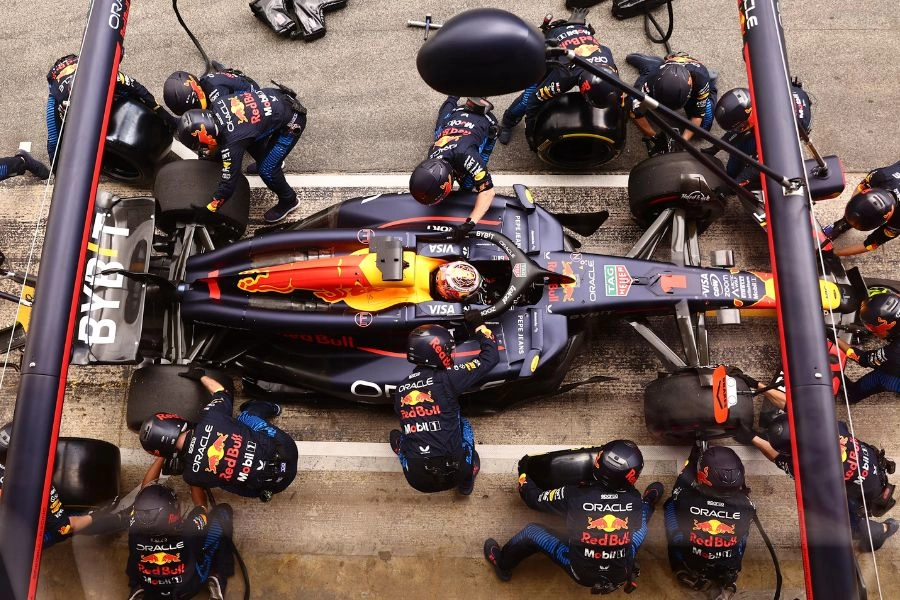
Pit stops are one of the most intense moments in Formula 1. Each team has a dedicated pit box, where drivers stop for tyre changes and adjustments. Around 20 to 22 mechanics work together to stabilise the car and replace all four tyres in a matter of seconds. The fastest pit stops can take under two seconds, though consistency is just as important as outright speed. A well timed pit stop can gain track position, while a slow one can cost valuable seconds.
Beginner’s Guide to Formula 1 – Sprint Races
Sprint races are one of the most exciting additions to modern Formula 1. Introduced in 2021, there are now six Sprint events in a season, including locations such as China, Miami, Canada, Britain, the Netherlands, and Singapore.
A Sprint race is a shorter race of around 100 kilometres, which is roughly one third the distance of a full Grand Prix. This usually translates to about 16 to 25 laps depending on the circuit. What makes Sprint races unique is their intensity. There are no mandatory pit stops, meaning drivers go flat out from start to finish. With less emphasis on long term tyre management, the focus shifts to pure racing and overtaking.

Sprint events also follow a different weekend format. Instead of three practice sessions, there is only one free practice session. This is followed by Sprint Qualifying, which replaces the second practice session. Sprint Qualifying is a shorter version of regular qualifying. It is divided into three segments, SQ1, SQ2, and SQ3, lasting 12, 10, and 8 minutes respectively. Tyre usage is also regulated, with medium tyres mandatory for the first two sessions and soft tyres required for the final segment.
The Sprint race itself takes place before the main Grand Prix and awards points to the top eight finishers. The winner earns eight points, with points decreasing down to one for eighth place. Importantly, the Sprint race is separate from the Grand Prix. It does not directly determine the race result but adds another layer of competition and opportunity for drivers to score points.
Beginner’s Guide to Formula 1 – Tyre Strategy
Tyres are a crucial part of Formula 1 strategy. Supplied by Pirelli, they come in different compounds suited to various conditions. For each race, three dry tyre compounds are selected from a range of five. These are labelled soft, medium, and hard. Soft tyres offer maximum grip but wear quickly, while hard tyres last longer but provide less performance. Medium tyres offer a balance between the two.
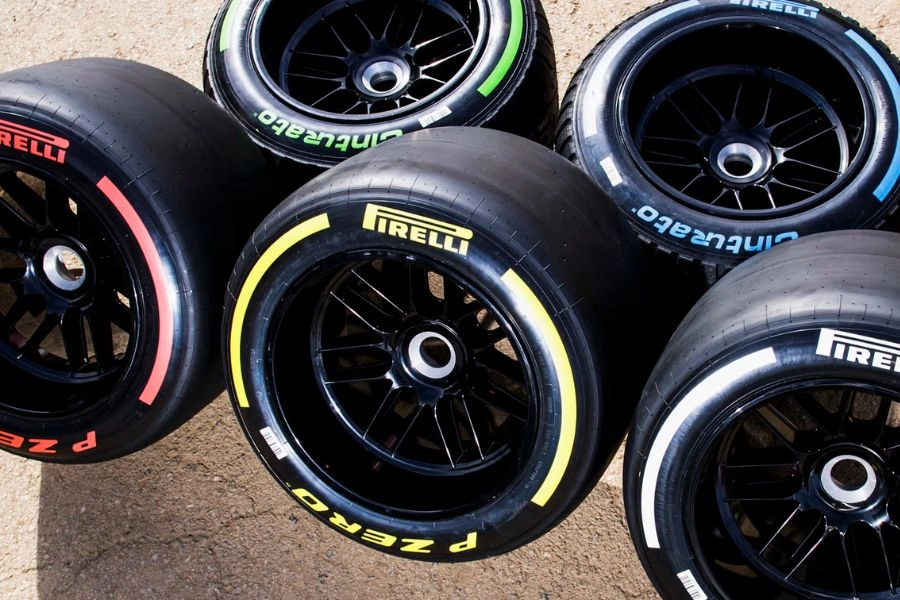
Drivers are required to use at least two different compounds during a dry race. Choosing when to change tyres is a key strategic decision. In wet conditions, intermediate tyres are used for light rain, while full wet tyres are used for heavier rainfall.
Beginner’s Guide to Formula 1 – Point System
Points are awarded to the top ten finishers in a Grand Prix. The winner receives 25 points, followed by 18 for second place and 15 for third, with points decreasing down to one for tenth. An additional point is awarded for the fastest lap if the driver finishes in the top ten. Sprint races also offer points, making them an important part of the championship battle.

At the end of the season, the driver with the most points is crowned world champion, while the team with the highest combined score wins the Constructors Championship.
Beginner’s Guide to Formula 1 – Start your F1 journey
Formula 1 is more than just racing. It is a blend of technology, strategy, and human skill. It is a sport where milliseconds matter, where decisions made in seconds can define an entire weekend, and where teamwork is just as important as individual talent. Whether you discovered it through a streaming series, a historic race in India, or the rise of modern champions, Formula 1 has a way of drawing you in.
So the next time you see “P1” on your feed, you will know it represents far more than just a finishing position. It is the result of precision, planning, and an entire team working together for a moment of success.