
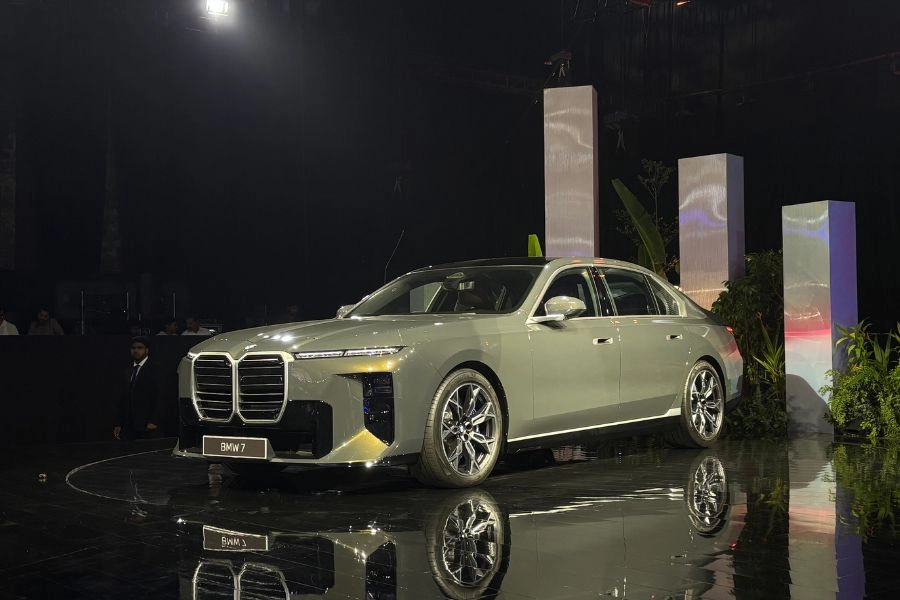
BMW has launched the BMW 7 Series facelift in India at a starting price of Rs 1.95 crore, ex showroom. The updated flagship sedan is available in India in the 740 M Sport petrol variant, while the all electric i7 is available in two variants. The i7 eDrive50 xDrive M Sport is also priced at Rs 1.95 crore, while the range topping i7 M70 xDrive is priced at Rs 2.65 crore, ex showroom.
Globally unveiled earlier this year, the facelifted 7 Series gets significant changes to its exterior and interior, along with upgrades to its powertrains. The 7 Series and i7 50 xDrive will be locally assembled at BMW’s Chennai plant, while the i7 M70 xDrive will be brought to India as a completely built unit.
The BMW 7 Series facelift continues to rival the Mercedes Benz S Class in India. With the facelift, BMW has also continued to offer buyers the choice between an internal combustion engine powered luxury sedan and a fully electric alternative in the form of the i7.
BMW 7 Series Facelift – Exterior Design
The front end of the BMW 7 Series facelift sees the most significant changes, with BMW giving the sedan a more slab sided and imposing appearance. The split headlamps have been redesigned, with slim daytime running lamps extending outwards from the top of the kidney grilles.
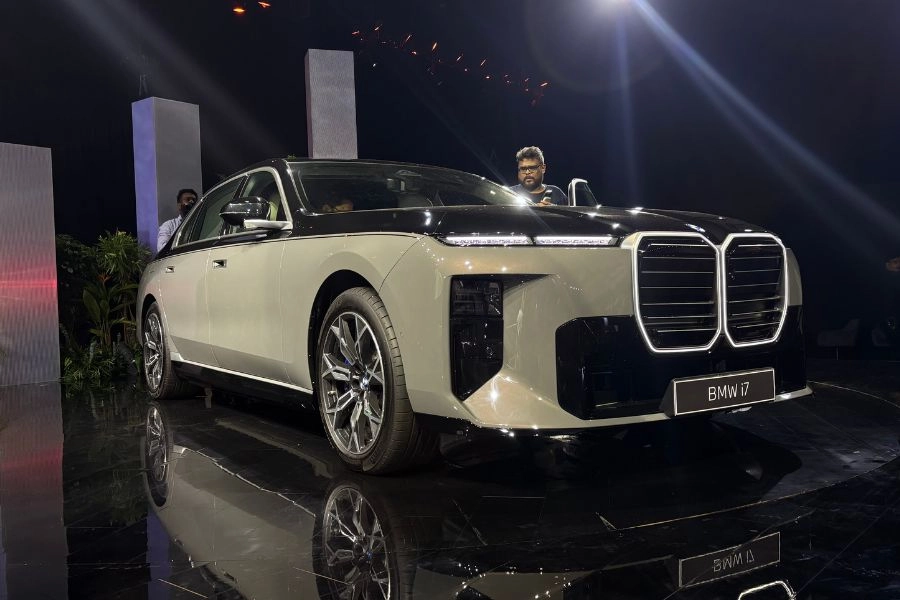
The main LED headlamp units are positioned lower down, above the redesigned vertical air intakes. The kidney grilles are now more squared off and feature horizontal slats, while the illuminated grille surround continues to be available. The lower portion of the front bumper has also been redesigned, with a wider air dam giving the 7 Series a broader stance.
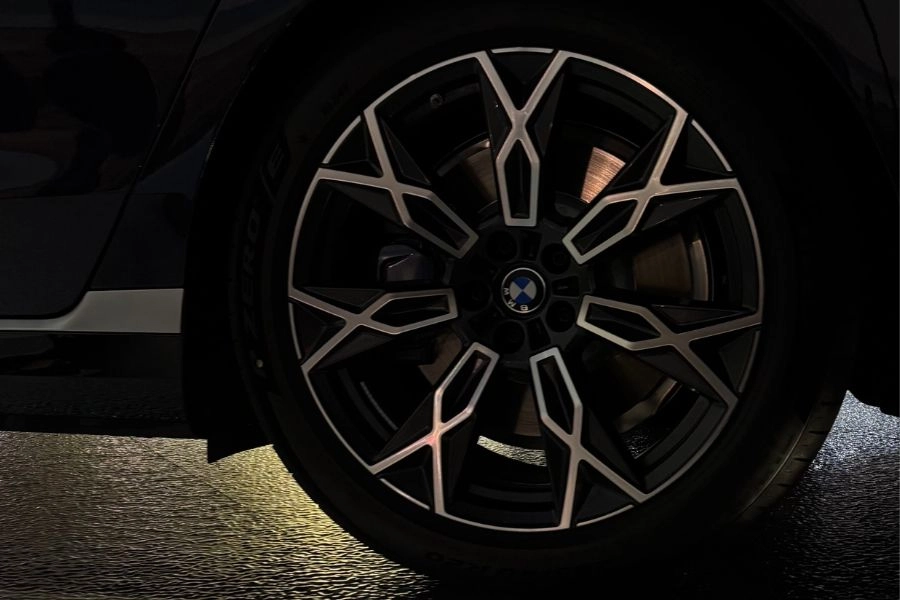
Moving to the side, the facelifted 7 Series gets revised side skirts and new alloy wheel designs. 20 inch alloy wheels are fitted as standard, while customers can opt for wheels measuring up to 22 inches.
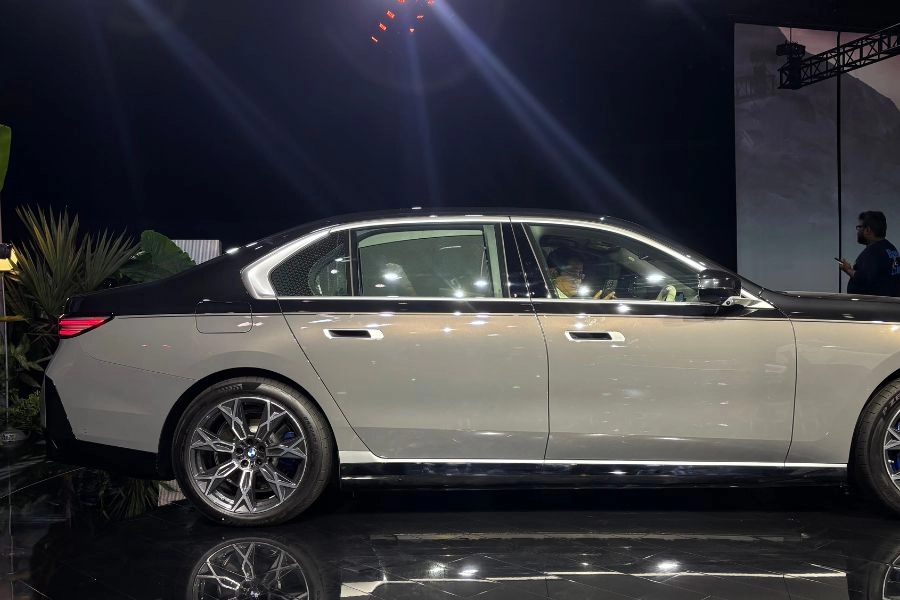
At the rear, the sedan gets new wider LED tail lamps and a revised bumper with a smoother design. The overall silhouette and proportions of the 7 Series remain largely unchanged, retaining the long wheelbase and upright stance of BMW’s flagship sedan.
BMW 7 series Facelift – Interior Design and Facelift
The interior of the BMW 7 Series facelift gets more extensive changes, with the cabin now taking inspiration from BMW’s newer Neue Klasse models.
The dashboard features a 17.9 inch central infotainment touchscreen along with a 14.6 inch passenger display. The cabin also gets BMW’s pillar to pillar Panoramic Vision display and a new two spoke steering wheel.
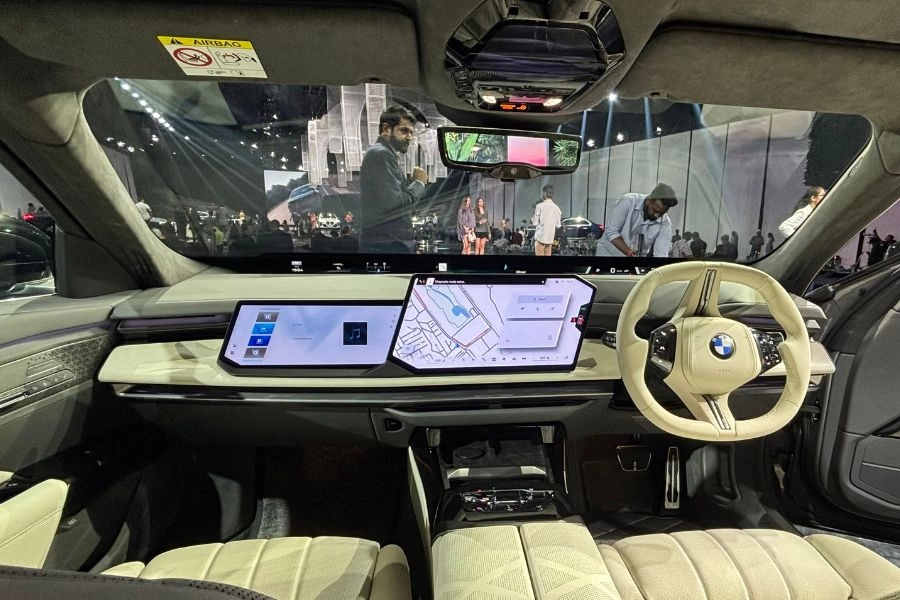
The centre console has also been redesigned, with BMW reducing the number of physical buttons while providing more storage space. A new cylindrical rotary drive selector has also been added.
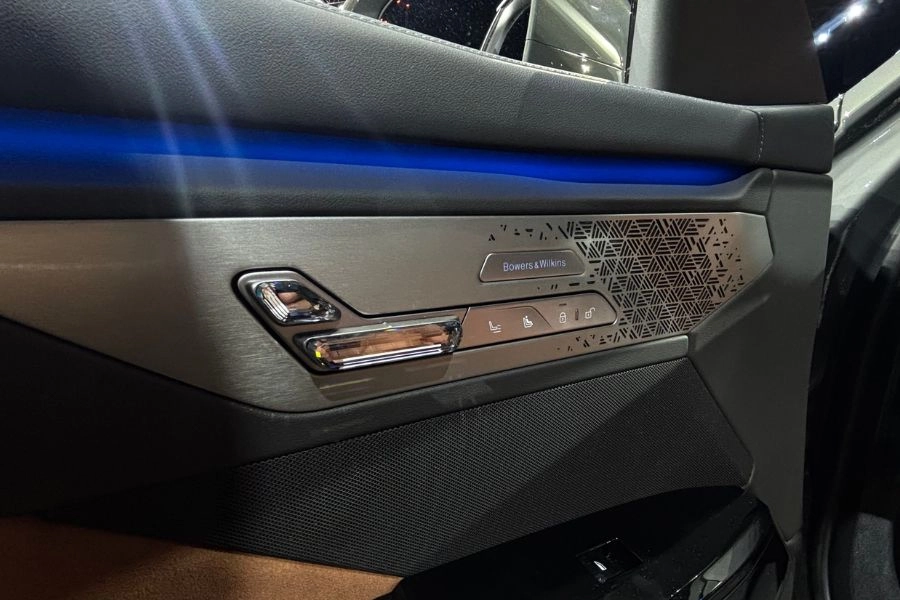
In terms of features, the facelifted 7 Series gets a 35 speaker Bowers & Wilkins surround sound system, ambient lighting, powered doors, wireless Apple CarPlay and Android Auto, over the air updates and a fixed panoramic glass roof.
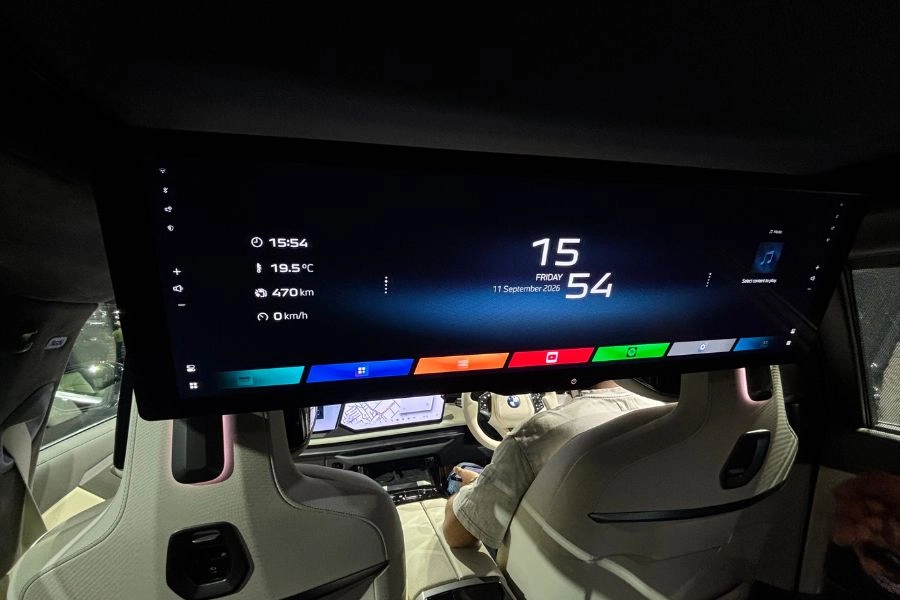
The rear cabin continues to be a major focus, with features including Boss mode, powered leg rests and connected car technology. The sedan also gets Level 2 ADAS, four zone climate control and powered, heated, ventilated and massaging seats. Another major highlight is the 31.3 inch 8K rear entertainment screen, which is aimed at providing rear passengers with a more immersive entertainment experience.
BMW 7 series Powertrain – Powertrain and Battery Pack
The 740 petrol continues to use a 3.0 litre direct injection turbocharged straight six petrol engine paired with a 48 volt mild hybrid system. Following the updates, the engine produces up to 400hp and 580Nm.
The engine is paired with an eight speed automatic transmission, with power sent to all four wheels through BMW’s xDrive system. BMW claims that the 740 can accelerate from 0 to 100kph in 5.4 seconds, while the top speed is electronically limited to 250kph.
The BMW 7 Series facelift also gets rear wheel steering and adaptive suspension, which should improve both high speed stability and manoeuvrability at lower speeds. The 2026 BMW 7 Series facelift is not available with a diesel engine in India, despite the 740d continuing to be offered in some international markets.
The electric i7 is available in two variants, with the i7 eDrive50 xDrive M Sport using a 112.4kWh battery pack paired with dual electric motors. The setup produces 455hp and 660Nm, allowing the i7 to accelerate from 0 to 100kph in 5.5 seconds before reaching a top speed of 210kph.
BMW claims a WLTP range of up to 728km for the i7 eDrive50 xDrive. The electric sedan supports 250kW DC fast charging, allowing the battery to charge from 10 percent to 80 percent in around 28 minutes.
The top spec i7 M70 xDrive also uses a 112.4kWh battery pack and gets a dual motor all wheel drive setup. It produces 680hp and up to 1,100Nm with the boost function.
The i7 M70 xDrive can accelerate from 0 to 100kph in 3.8 seconds and has a top speed of 250kph. BMW claims a WLTP range of up to 686km.
BMW 7 Series – Market Positioning and Rivals
The BMW 7 Series Facelift has only one direct rival in India in the form of the Mercedes Benz S Class. The S Class is currently priced between Rs 2.20 crore and Rs 2.38 crore, making the new 7 Series up to Rs 43 lakh more affordable at its starting price.
The BMW 7 Series facelift also offers a choice between a conventional petrol powertrain and a fully electric powertrain through the i7. The Mercedes Benz S Class, meanwhile, is available in India with a plug in hybrid powertrain.
With the facelift, BMW has updated the 7 Series with a more imposing exterior, a redesigned cabin and upgraded powertrains while retaining its focus on rear seat comfort and luxury. The updated i7 also gives BMW a fully electric alternative in the same flagship sedan range.