
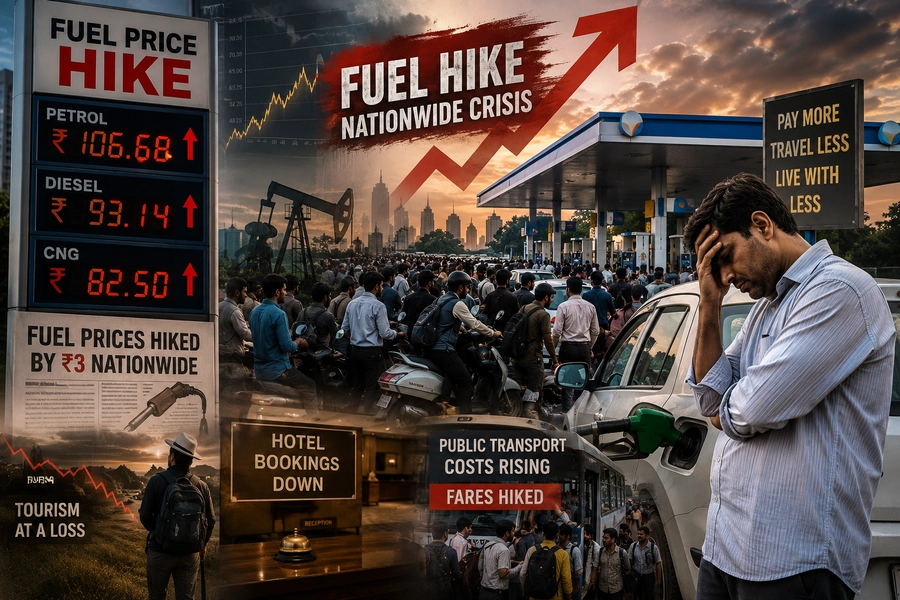
India is witnessing a significant fuel price hike, driven by volatile geopolitical tensions, especially in the Middle East, coupled with a global energy crisis. As crude oil markets fluctuate, the ripple effects are being felt across the country. From metro cities to smaller towns, this fuel price hike is not just about paying more at the pump. It is reshaping consumer behaviour, business strategies, and the broader economic landscape.
Fuel Price Hike – Reason and Price Hike
The current fuel price hike cannot be viewed in isolation. Ongoing geopolitical instability in oil-producing regions has disrupted supply chains. Coupled with production cuts and rising global demand, crude oil prices have surged. India, being a major importer of crude oil, remains highly vulnerable to such global shifts.
Fuel prices across India have been hiked by approximately ₹3 per litre. In major metro cities, the revised rates underline the scale of this increase. Mumbai now sees petrol at ₹106.68 and diesel at ₹93.14, while Delhi stands at ₹97.77 for petrol and ₹90.67 for diesel. Kolkata records the highest petrol price at ₹108.74 with diesel at ₹95.13, and Chennai follows with petrol at ₹103.67 and diesel at ₹95.25. In Bengaluru, petrol has risen from ₹103 to ₹106 per litre, while diesel has increased from ₹91 to ₹94.
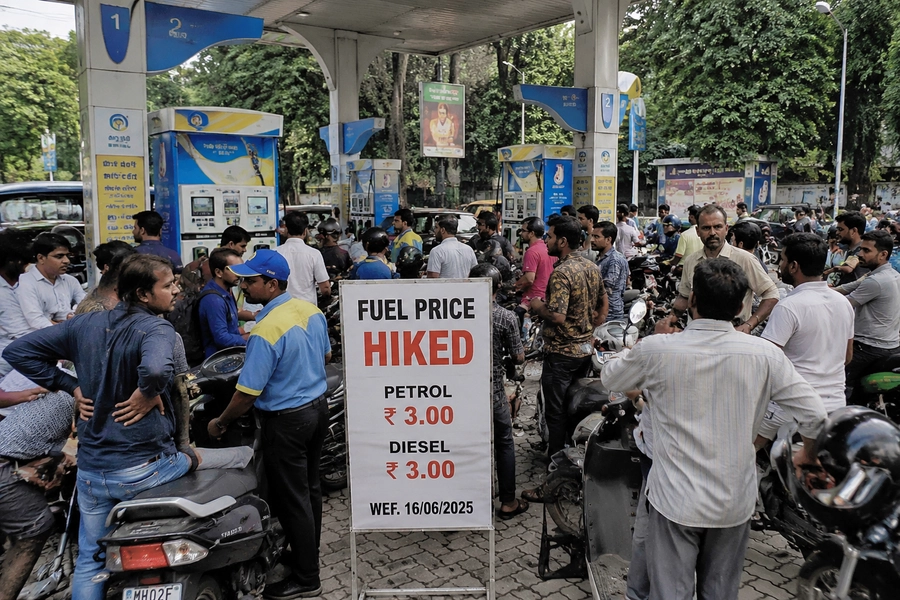
Fuel Price Hike – Impact on Daily Commuters
The most immediate effect of the fuel price hike is on daily commuters. Individuals who rely on personal vehicles are now reconsidering their travel habits. Many are cutting down on non-essential trips. Carpooling is seeing renewed interest. Public transport usage is likely to increase.
In cities like Bengaluru, companies are encouraging hybrid work models. A three-day office week combined with two days of work from home is becoming more common. This shift is a direct response to the rising cost burden caused by the fuel price hike.
Fuel Price Hike – Impact on Public Transport
A major consequence of the fuel price hike is the increase in transportation costs. Cab aggregators are expected to revise their fares upward. Higher operational costs mean passengers will end up paying more for everyday commutes.
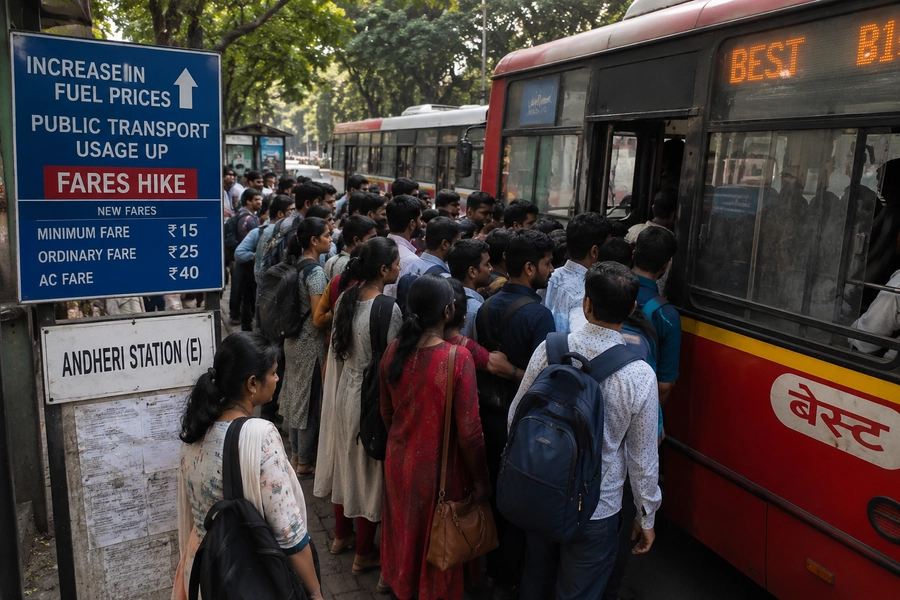
Auto-rickshaw drivers are also likely to increase fares. Even though some operate on CNG or LPG, these fuels have also seen price increases. The fuel price hike therefore impacts all forms of mobility, not just petrol or diesel vehicles.
Fuel Price Hike – Impact on Delivery and E-commerce Industry
The fuel price hike is putting pressure on delivery-based businesses. E-commerce platforms along with food delivery apps rely heavily on two-wheelers for last-mile connectivity. As fuel costs rise, delivery partners face shrinking margins.

To compensate, companies may increase delivery charges. This directly impacts consumers, making convenience more expensive. The fuel price hike is slowly changing how frequently people order online.
Fuel Price Hike – Inflation and Rising Commodity Prices
One of the most far-reaching effects of the fuel price hike is inflation. Transportation is a key component in supply chains. When fuel costs rise, the cost of moving goods increases. This eventually leads to higher prices for everyday items.
The fast-moving consumer goods sector is particularly vulnerable. From groceries to household essentials, prices may rise as logistics expenses increase. The fuel price hike thus extends beyond mobility into essential consumption.
Fuel Price Hike – Impact on Tourism and Hospitality Sector
The fuel price hike is also impacting the tourism sector. Road trips are becoming more expensive, forcing many to postpone travel plans. Summer vacations that once involved long drives are now being reconsidered.
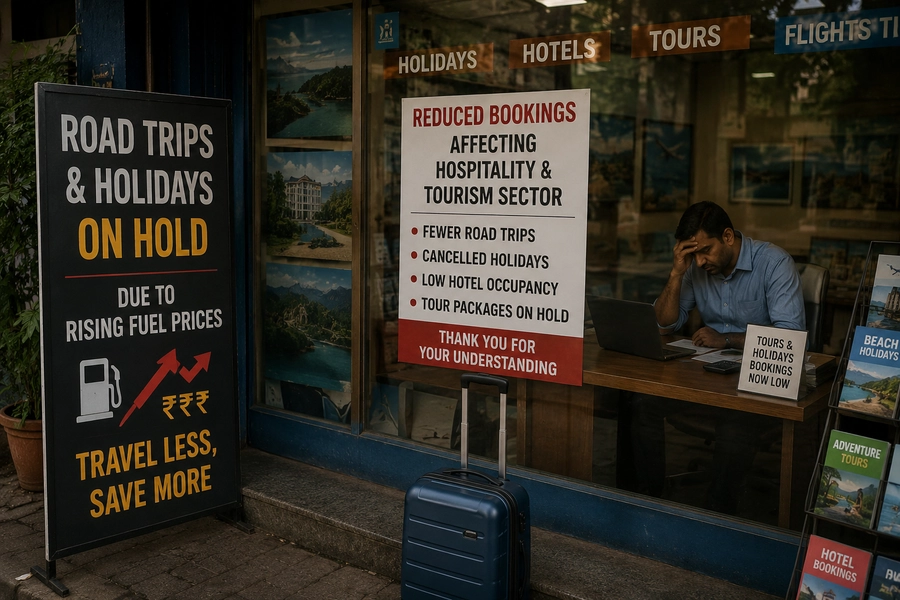
Hotels and travel operators may also see reduced demand. With higher transportation costs, overall travel expenses increase. This makes discretionary spending less attractive, further amplifying the effects of the fuel price hike.
Fuel Price Hike – What Next
In some regions like Kerala, reports of fuel rationing have emerged. Limited availability adds another layer of uncertainty. Consumers are not just worried about price but also access. This intensifies the psychological impact of the fuel price hike, leading to cautious spending behavior.
The current fuel price hike in India is more than a temporary economic adjustment. It is a catalyst for widespread change. From commuting habits to business operations, every sector is adapting to the new normal.