
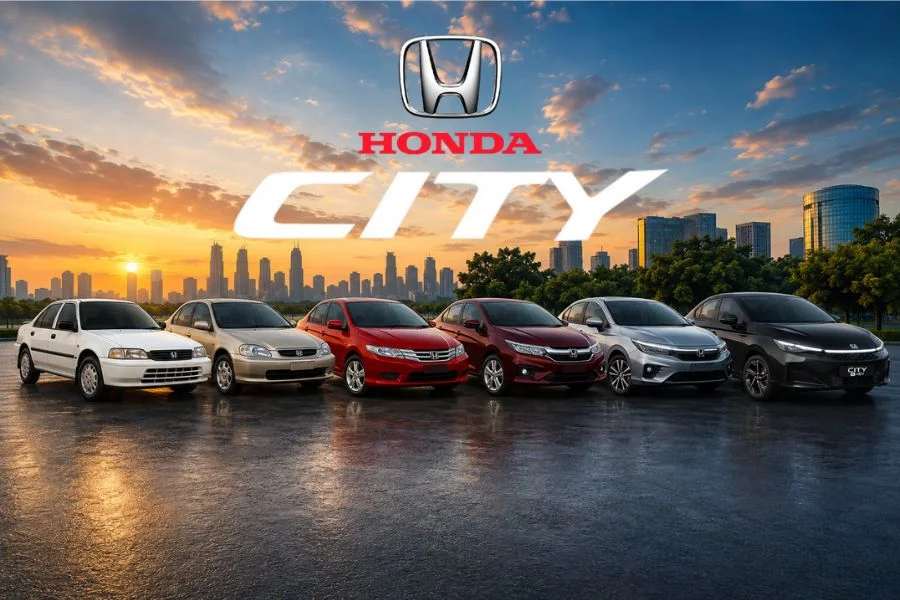
Liberalisation, a word, a concept and an idea that was introduced to Indians in the year 1991. It was the year India finally reopened its doors to foreign brands to enter our markets, be it something as basic as Coca Cola or as aspirational as a Sony television. Indians were never averse to these global names. Grey market importers had already been feeding this curiosity for years. So, when the gates officially opened, the impact was immediate. Jobs were created, incomes grew, ambitions widened and the desire for finer things in life slowly began to take root in the mind of the new Indian.
People were moving up the corporate ladder. There was change in the air. Slowly fading was the image of the average middle class Indian mentality that had long been defined by compromise and restraint. This was a generation that wanted more, and more importantly, could now afford it.
And the ones who understood this shift better than most were carmakers. They knew that the Indian buyer was evolving. The days of selling dated machines from the 1950s and 1960s in the name of reliability were numbered. The new Indian customer wanted modernity, aspiration and a sense of arrival every time they stepped into their car.
Amidst this changing landscape, one brand from Japan took notice. It saw the potential of a market that was just beginning to find its voice. What it would go on to create would be nothing short of legendary. A car that would not just climb the sales charts, but embed itself deep into the hearts of the Indian consumer. And yet, as meteoric as its rise would be, its eventual decline is just as important to understand.
This is the story of the Honda City in India.
Honda City 1st Generation – 1998 to 2004
Honda’s India story interestingly does not begin with Honda at all, it begins with Tata. In the mid 1980s, JRD Tata and Sumant Moolgaonkar (then MD of TELCO) wanted to enter the passenger car space with Honda by manufacturing the Accord in India. The government stepped in and denied the license, citing foreign exchange concerns, and that partnership never saw the light of day.
Post liberalisation, Honda returned with intent. In 1995, Honda Siel Cars India was formed and by 1997, its Greater Noida plant was up and running with an investment of Rs 4.5 billion and a capacity of 30000 cars annually. The car that would define this entry was the Honda City, built for emerging Asian markets and perfectly suited for India’s growing ambitions.
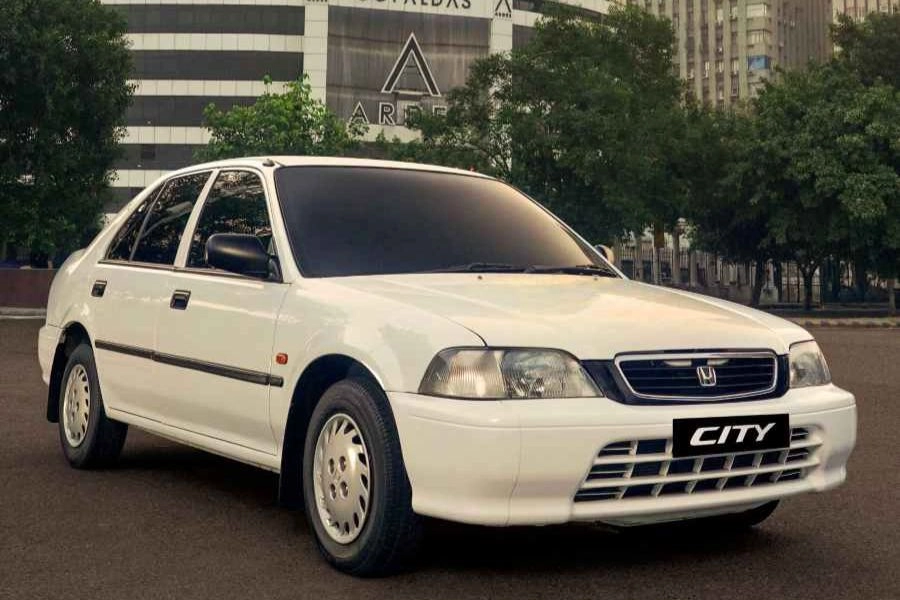
Launched in 1998, the City came in four variants 1.3 LXI, 1.3 EXI, 1.5 EXI and 1.5 EXI S, priced from Rs 6.3 lakh onwards, with the 1.5 also offering a torque converter automatic. The 1.3 made 90bhp and 111Nm, while the 1.5 produced 100bhp and 128Nm, hitting 100 kmph in under 11 seconds. It quickly became the backbone of Honda, grabbing a 23 percent share of the midsize segment and earning JD Power recognition for quality and appeal.
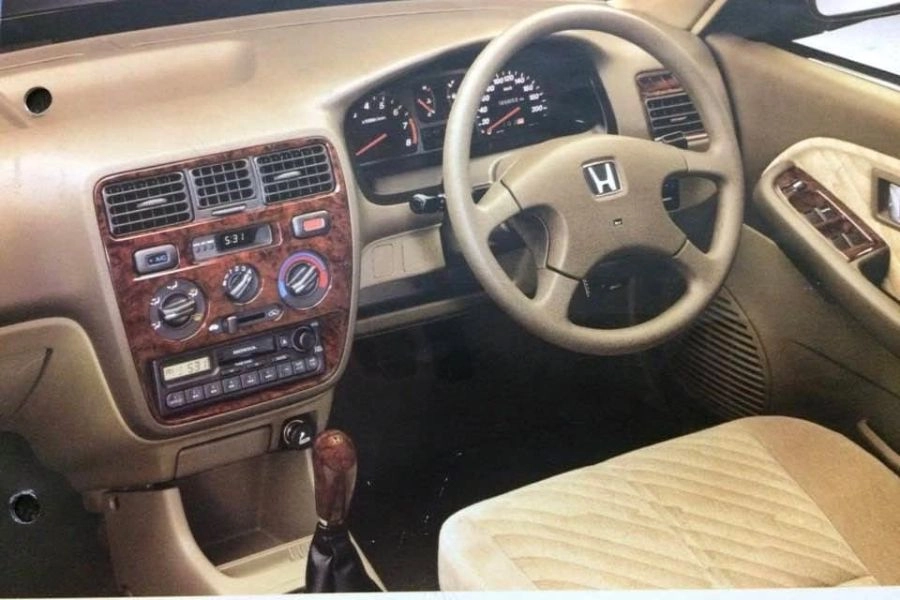
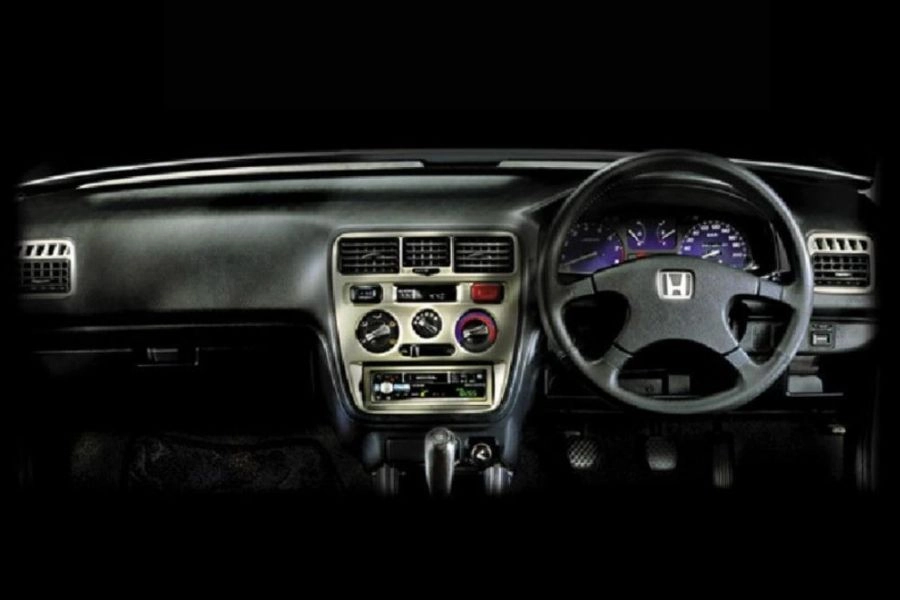
The 1.5 EXI stood out with a tachometer, better audio system, chrome window trim, wooden finish console and powered mirrors. The EXI S added alloys, spoiler, side skirts and exclusive shades like Monte Carlo Blue Pearl. Honda even refreshed the car within two years, tweaking design, interiors and suspension while slightly increasing prices.
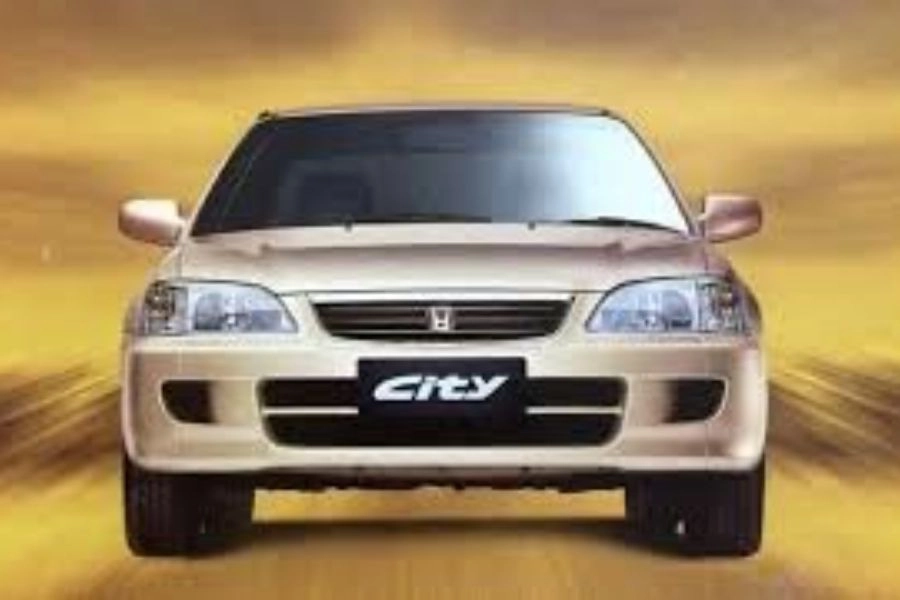
But the real game changer arrived in August 2000. The City VTEC, priced at around Rs 9.5 lakh. Under the hood was a 1.5 litre SOHC VTEC motor producing 106bhp and 132Nm. On paper it seemed modest, but on the road it was explosive. 0 to 100 kmph came up in 10.35 seconds, 60 kmph in 4.85 seconds and mid range performance was unmatched.
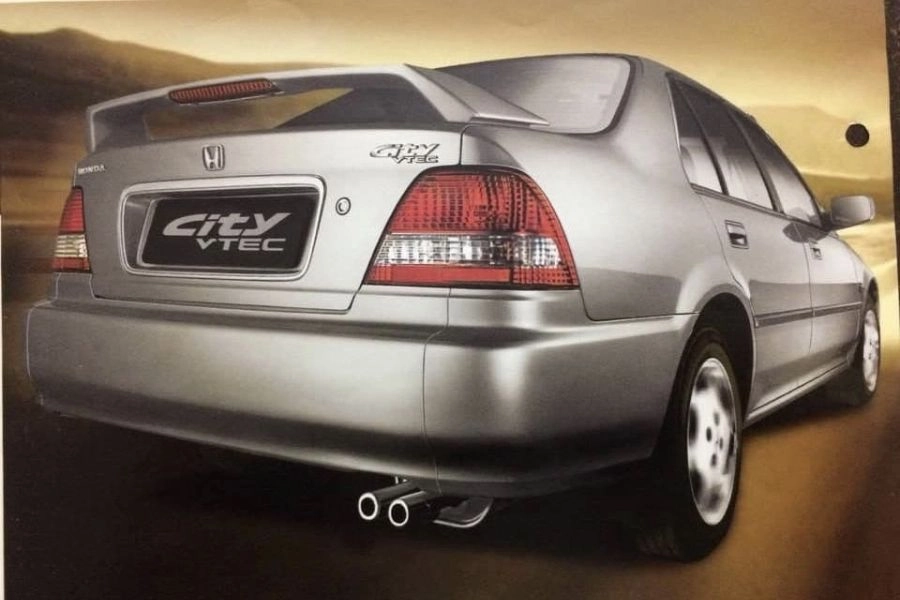
And then came the moment every enthusiast remembers. Cross 5000 rpm and the “VTEC kicked in”. The character of the car changed completely. It was so quick that with a perfectly timed shift, it could challenge the Mercedes Benz E240 of the time. In a market used to Lancers and Ikons, the City VTEC was nothing short of a revelation.
Honda City 2nd Generation – 2004 to 2008
By the end of the 2nd generation City’s life cycle, Honda had firmly established itself in India. It was no longer just another foreign brand, it was a name Indians connected with. In this period, Honda also expanded its portfolio with global nameplates like the CR V and Accord, strengthening its premium image.
Naturally, expectations from the 2nd generation City were sky high. The City badge had already earned serious credibility among enthusiasts, and everyone expected Honda to take things forward in performance and design. But that is not quite how it played out.
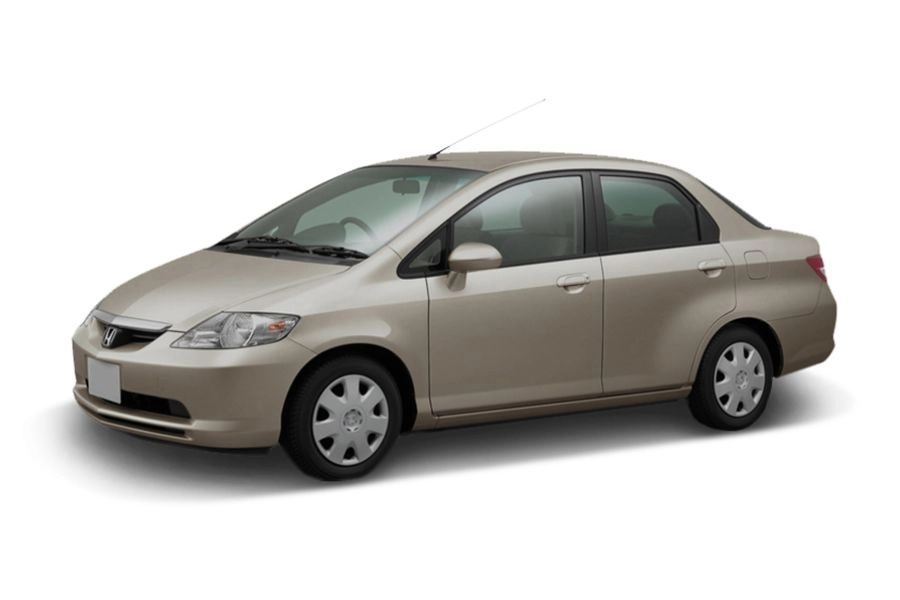
The 2nd generation City, famously nicknamed the Dolphin City, turned out to be the most controversial iteration. At launch, it dropped the much-loved VTEC engine and replaced it with the i DSI motor. Power dropped from 106bhp to just 77bhp. This move was made in the interest of fuel efficiency and there were claims of 24.5 kmpl.
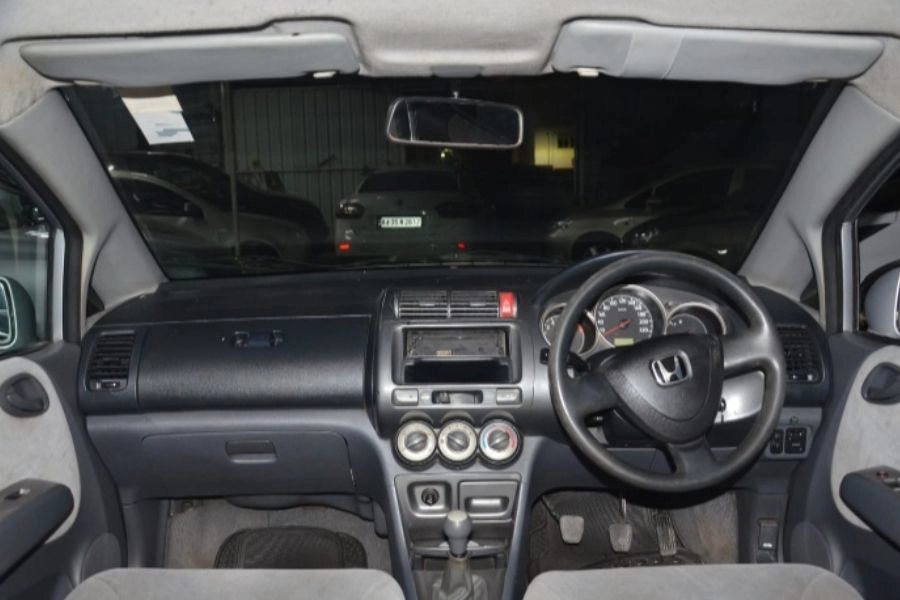
Performance took a clear hit. The manual could do 0 to 100 kmph in around 14 seconds, while the CVT took 15.53 seconds. Even the design did not help its case. The exterior was polarising and did not have the sporty character of the 1st gen. But, under all of this, there was solid thinking. The centrally mounted fuel tank and torsion beam rear suspension freed up significant cabin space. What the City became was an ideal urban sedan. It was efficient, spacious, reliable and nearly two lakh rupees cheaper than the earlier VTEC models, priced between Rs 6.92 lakh and Rs 8.82 lakh.
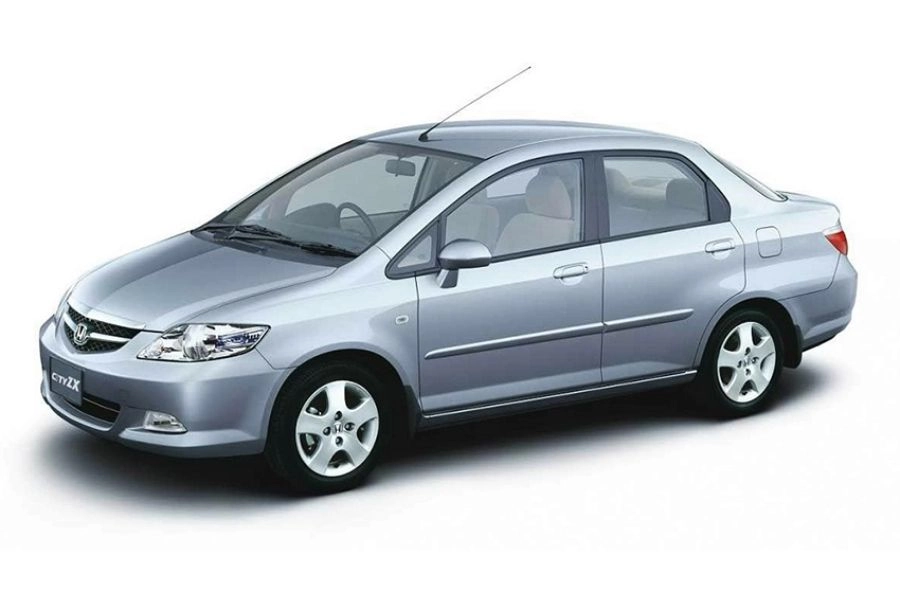
Honda did respond with a facelift in the form of the ZX. The design became easier on the eye and the VTEC made a comeback. But with 100bhp from the 1.5 litre engine and a 0 to 100 kmph time of 11.35 seconds, the magic of the earlier sub 10 second City was gone. The Dolphin City may not have been loved, but it showed that Honda was willing to change with the market, even if it meant upsetting the purists.
Honda City 3rd Generation – 2008 to 2014
Then came 2008, and with it, the third generation Honda City. Arriving soon after the Civic, this was Honda getting its head back in the game. It brought desirability back to what had anyway become the default choice in the segment. And for the first time in a while, the City looked properly aspirational again.
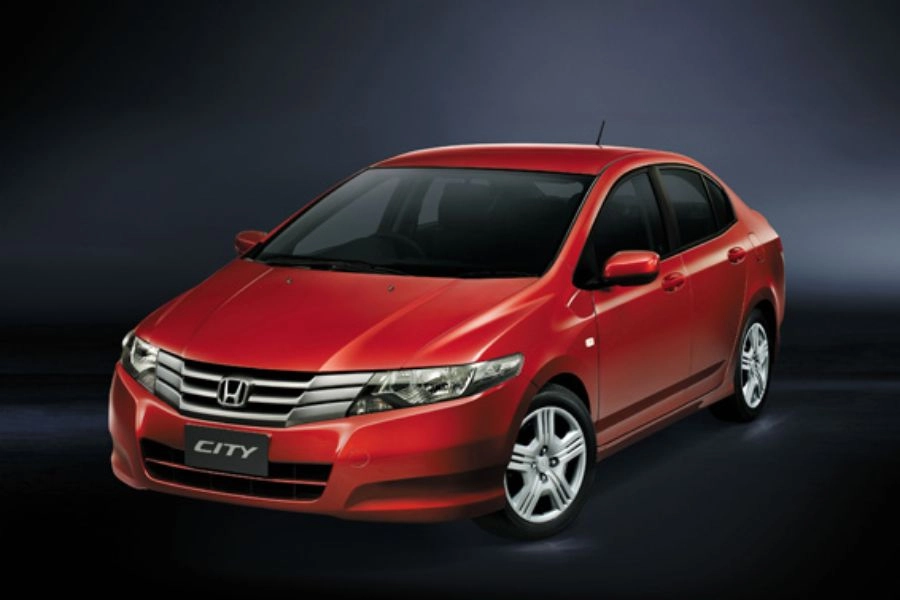
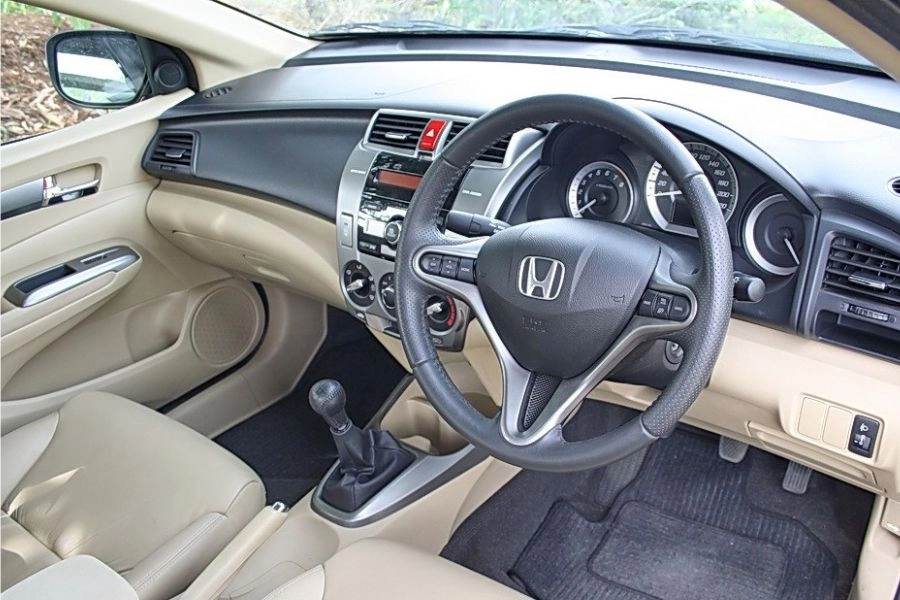
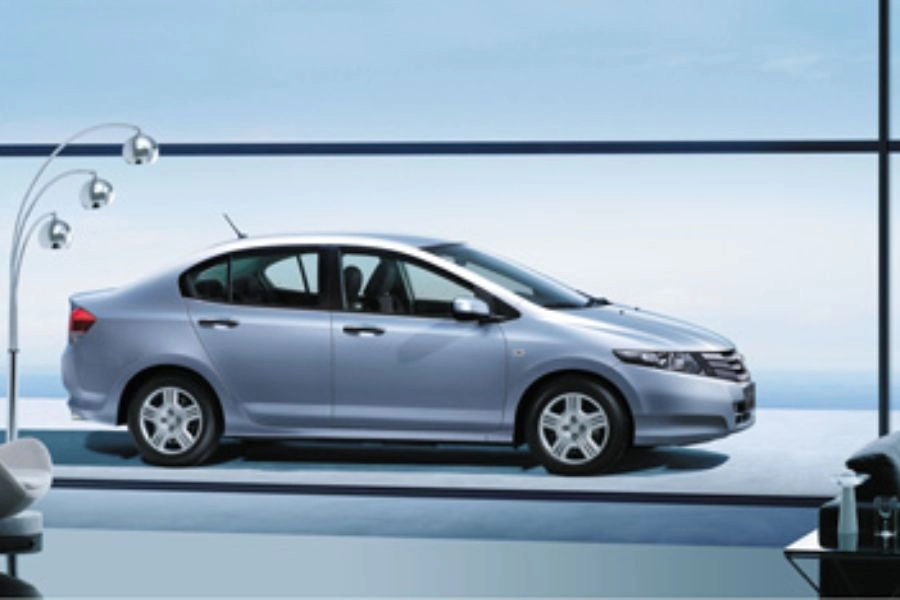
Built on the global Jazz platform, Honda managed to unlock even more space. The wheelbase grew by 100mm, and it showed. Rear seat comfort improved by a mile. Honda also brought in features that felt ahead of their time back then, support for iPod, MP3 players, USB memory and even phones with MP3 playback. The City also became the only car in its segment to offer a five speed automatic with paddle shifts, something that genuinely added to the driving experience. Powering this City was the new gen 1.5 VTEC putting out 117 hp and also was Ethanol 10 compliant and also a 0 to 100 kmph time of 10.20 seconds.
I have a personal story with this car. My father, a proper Honda fanboy, had finally decided to upgrade from his Maruti Suzuki Esteem to a City. It was a car he had wanted ever since he fell in love with the first generation VTEC. But his five year old son had other plans. Back in 2009, I was obsessed with one car, the Mahindra Scorpio. Somehow, I managed to convince him to buy that instead.
Maybe it was early signs of a future in sales and marketing, but it was just a loving father giving in to his son. But that one decision, City to Scorpio, sedan to SUV, was not just a story in my house. It was a shift that was beginning to play out across the country.
And this was the moment sedan makers, including Honda, would slowly start losing sleep. Because the SUV wave had just begun.
Honda City 4th Gen – 2014 to 2023
The fourth generation Honda City arrived in 2014, and this was Honda clearly adapting to a changing India. The beloved 1.5 litre i VTEC petrol continued, but for the first time ever, the City got a diesel engine. The 1.5 litre i DTEC was Honda finally acknowledging what the market wanted.
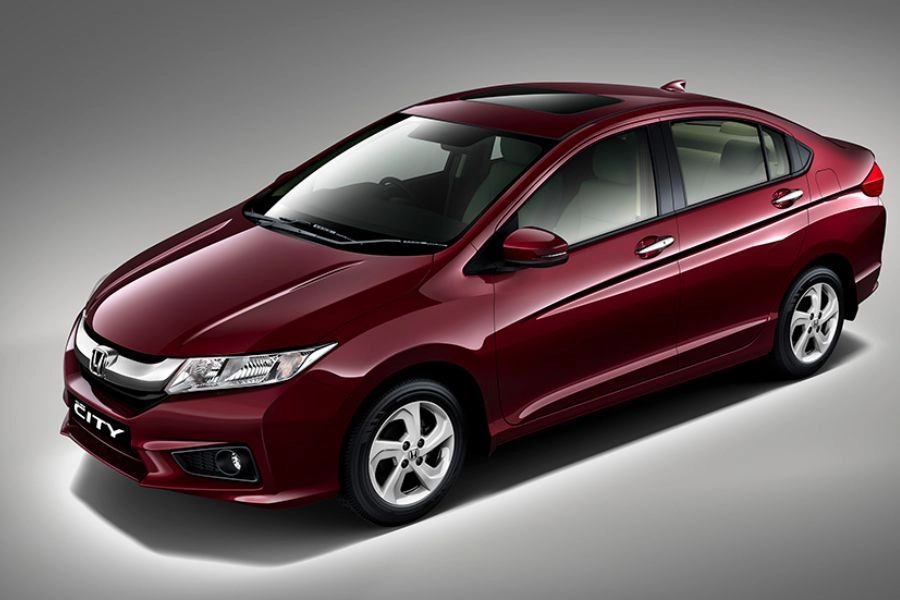
The 1.5 diesel motor produced 99 BHP at 3600 rpm and 200 Nm of torque at 1750 rpm, with a claimed fuel efficiency of 26 kmpl. On the petrol side, the 1.5 litre engine made 117 BHP at 6600 rpm and 145 Nm at 4600 rpm. While the gains over the outgoing model were marginal, the new car was lighter by 45 kilos, improving the power to weight ratio to 109.9 BHP per ton.
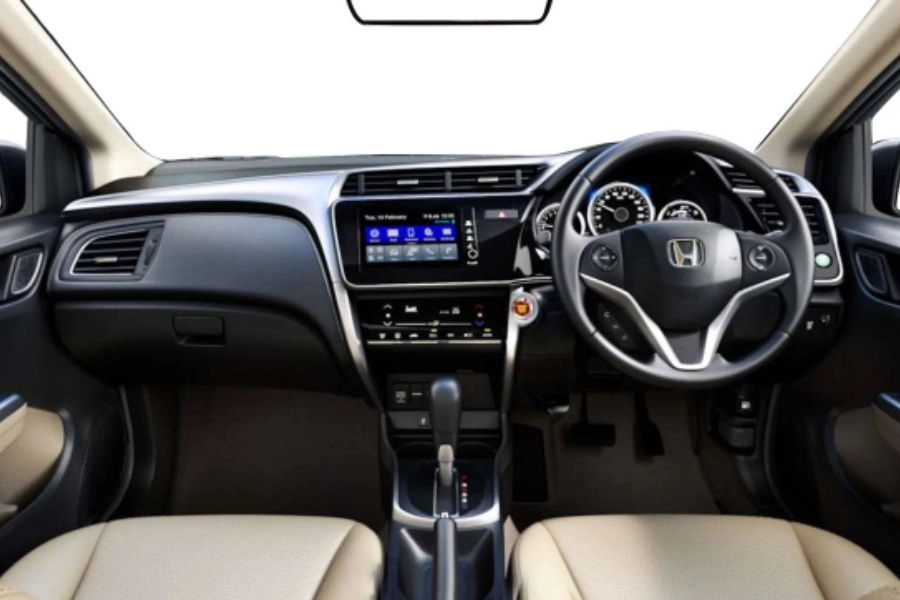
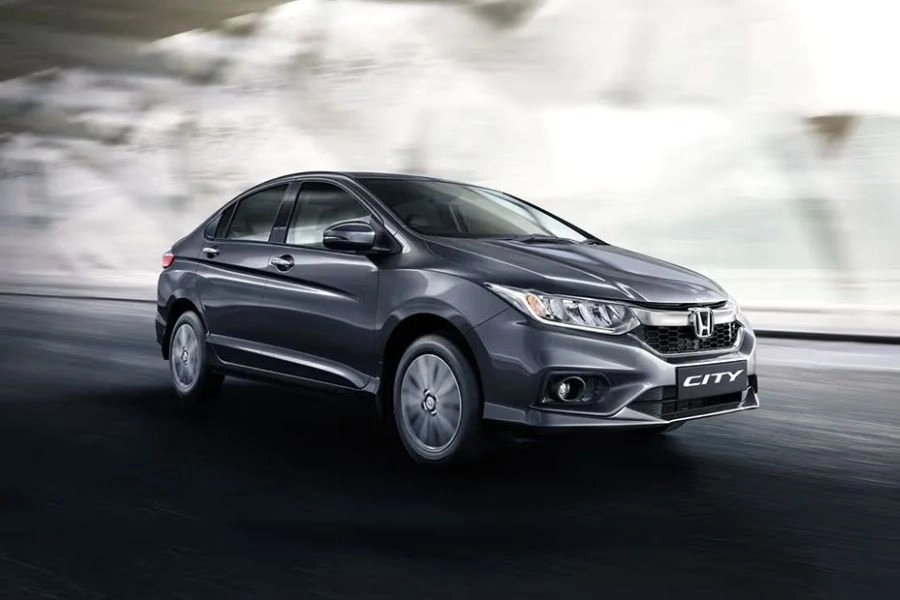
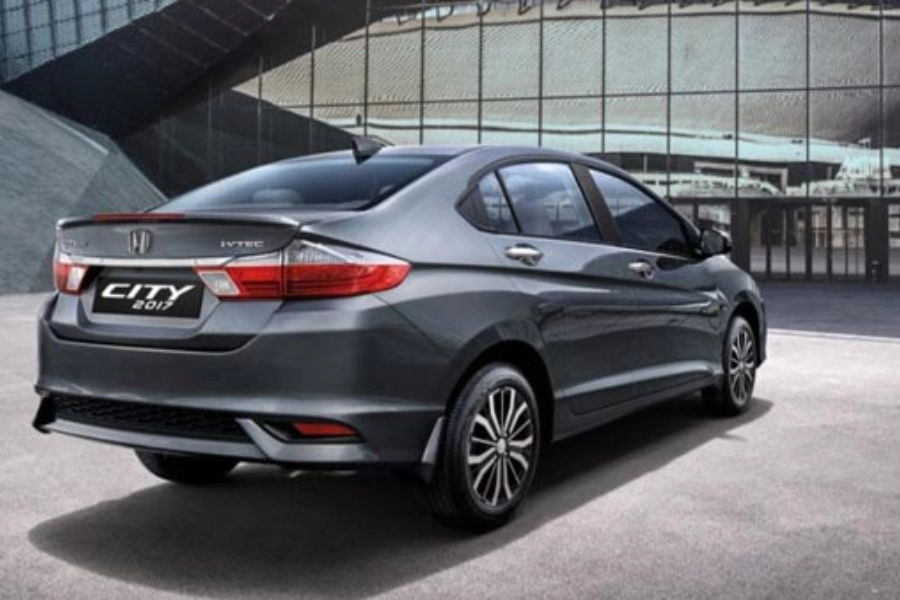
Honda also worked on the fundamentals. The City grew in size, offering even more rear seat space and increased ground clearance, addressing two key Indian concerns. It was launched at a price between Rs 7.42 lakh and Rs 11.10 lakh, and came loaded with features like a sunroof, feather touch climate control, keyless entry and go, rear AC vents and a reversing camera. In 2017, the facelift arrived, priced between Rs 8.50 lakh and Rs 13.57 lakh. Changes were subtle, with new 16-inch diamond cut alloys being the most noticeable update on the outside.
But this generation also marked a turning point, not just for the City, but for the entire segment. The market was shifting rapidly. SUVs were rising, and rising fast. Hyundai had the Creta, Maruti came in with the Brezza, Ford had the EcoSport and Renault already had the Duster, all competing at similar price points.
At the same time, competition within the sedan space intensified. Skoda brought in the Rapid, Volkswagen had the Vento, Maruti responded with the Ciaz and Hyundai pushed the Verna harder than ever. The City was no longer the default choice. For the first time, it had to fight on all fronts.
Honda City 5th Gen – 2020 to Present
The latest generation of the Honda City arrived in 2020, and interestingly, Honda chose to sell both the fourth and fifth generation models side by side. The new City looked properly premium, almost like it belonged a segment above. In fact, it was bigger than the older Civic.
Length stood at 4553 mm, which is 8 mm more than the old Civic and 113 mm more than the outgoing City. Width was 1748 mm and height 1467 mm, giving it a strong road presence.
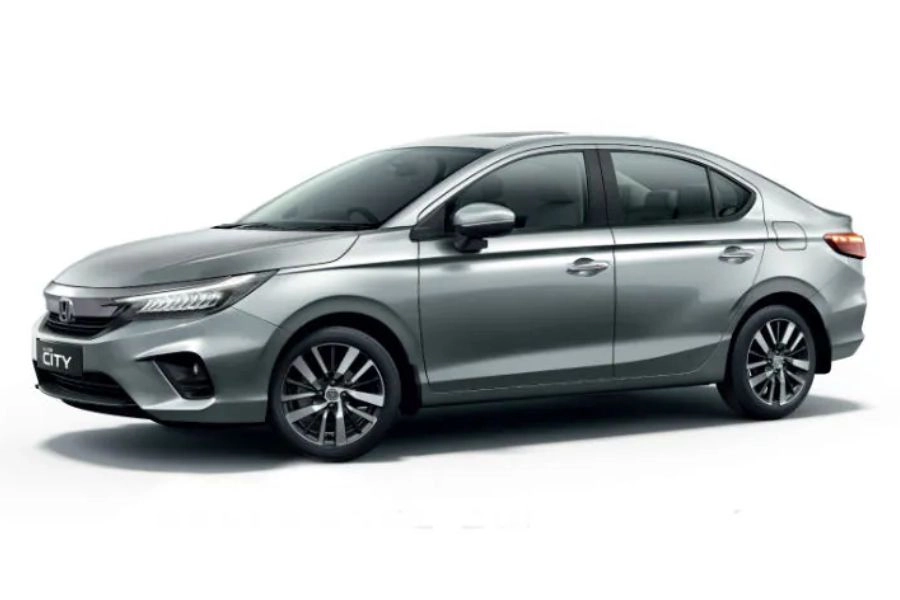
Launched at Rs 10.89 lakh going up to Rs 14.64 lakh, the fifth generation City came loaded. Full LED lighting, Alexa connectivity and a segment first Lane Watch camera made it feel modern. Safety was also stepped up with dual airbags and ABS with EBD as standard, while the top ZX variants offered six airbags.
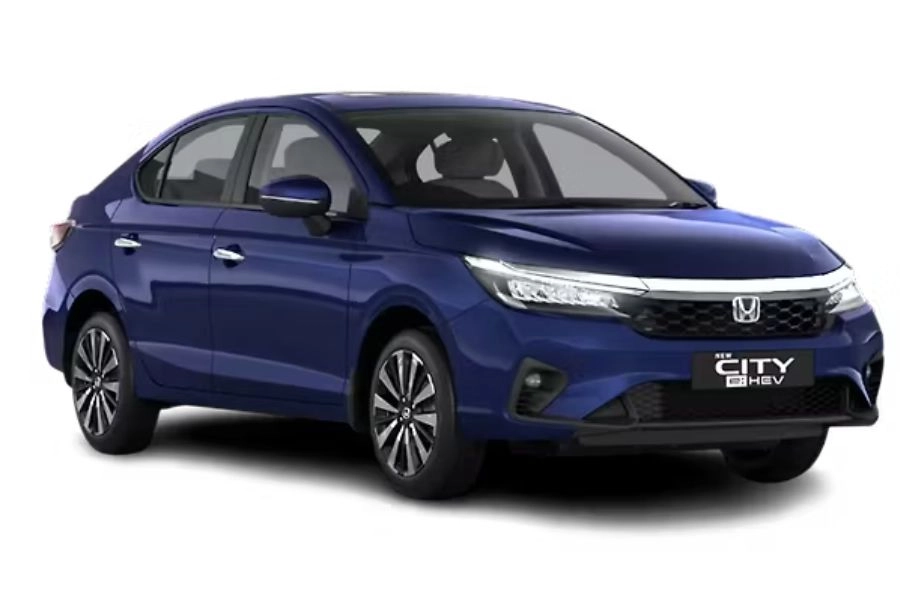
Under the hood, Honda offered two engines. The 1.5 litre i VTEC petrol made 119 bhp and 145 Nm, paired with either a six speed manual or a CVT. The 1.5 litre i DTEC diesel produced 98 bhp and 200 Nm, available only with a manual. In 2022 the City HEV made its debut with strong hybrid tech. Using the same 1.5 litre petrol paired with an electric motor and battery, it delivered a claimed 27 kmpl.

Then came 2023 and the first facelift. In those three years, the industry had already gone through massive changes the headline continued to be the Hybrid introduced a year earlier. BS6 norms came in, the pandemic hit, and Honda quietly pulled the diesel from the City lineup. Priced between Rs 11.49 lakh and Rs 20.39 lakh, the hybrid also brought in ADAS, giving Honda a clear point of differentiation.

At the same time, Honda as a brand was shrinking in India. The Civic, Accord, Jazz and CR V were all phased out, leaving the City and the Amaze to carry the weight. The Elevate SUV arrived in 2023, but by then the SUV wave was already in full swing.
By 2026, the City received a comprehensive exterior update to align with global design trends. It continued with the 1.5 VTEC and the hybrid, while adding features like a larger touchscreen and a 360 degree camera. But the market had moved on. SUVs were no longer the alternative, they were the default. The Ciaz was discontinued, the Verna held on, and the Vento and Rapid evolved into the Virtus and Slavia.
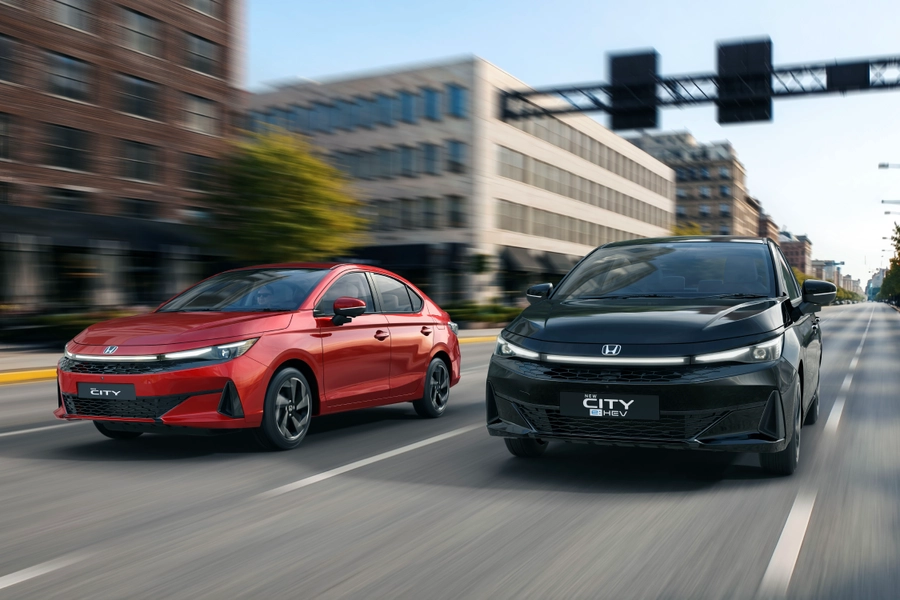
And somewhere along the way, the Honda City, once the flagbearer of aspiration for the Indian middle class, now stands as a reminder of a time when sedans ruled the road, still relevant, still respected, but no longer leading the charge.