
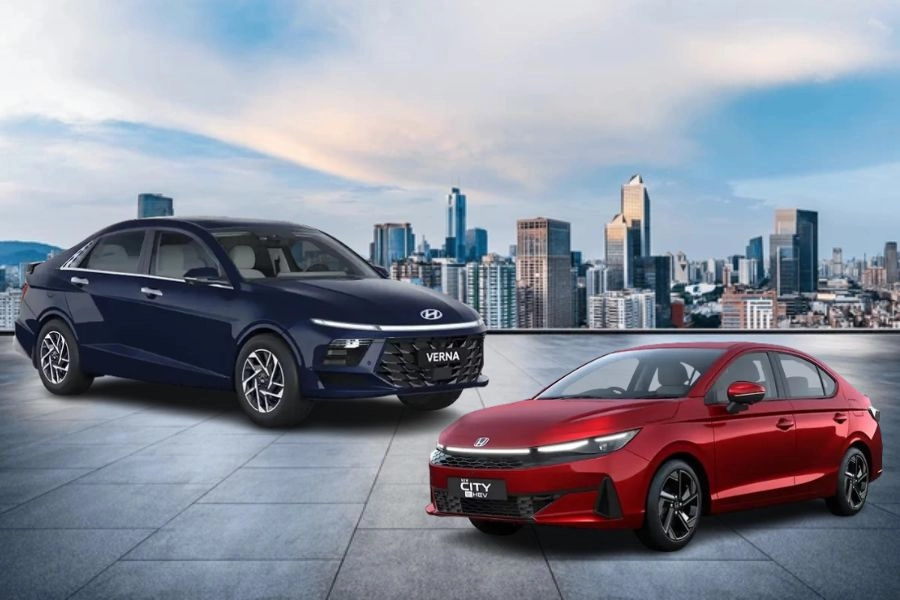
The mid size sedan segment in India has seen a steady shift towards SUVs, but cars like the Honda City and Hyundai Verna continue to hold strong relevance. Both models have now received significant updates, with the Honda City facelift launching just three days ago while the Hyundai Verna facelift made its debut earlier this year. With both sedans refreshed and better equipped than before, this comparison looks at how they stack up in terms of design, dimensions, features, engine options, and pricing. This is Honda City vs Hyundai Verna in its latest form.
Honda City vs Hyundai Verna – Exterior Design and Dimensions
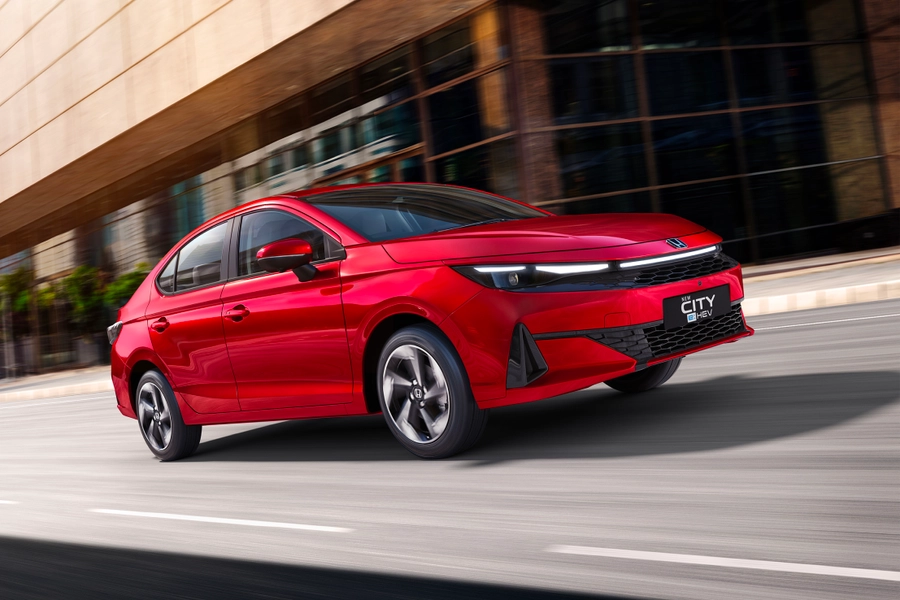
The Honda City facelift carries forward its familiar and mature design language with subtle updates. The front fascia gets a revised grille and sharper detailing, giving it a slightly more premium and understated appeal. The overall silhouette remains unchanged, staying true to the City’s identity as a clean and elegant sedan.
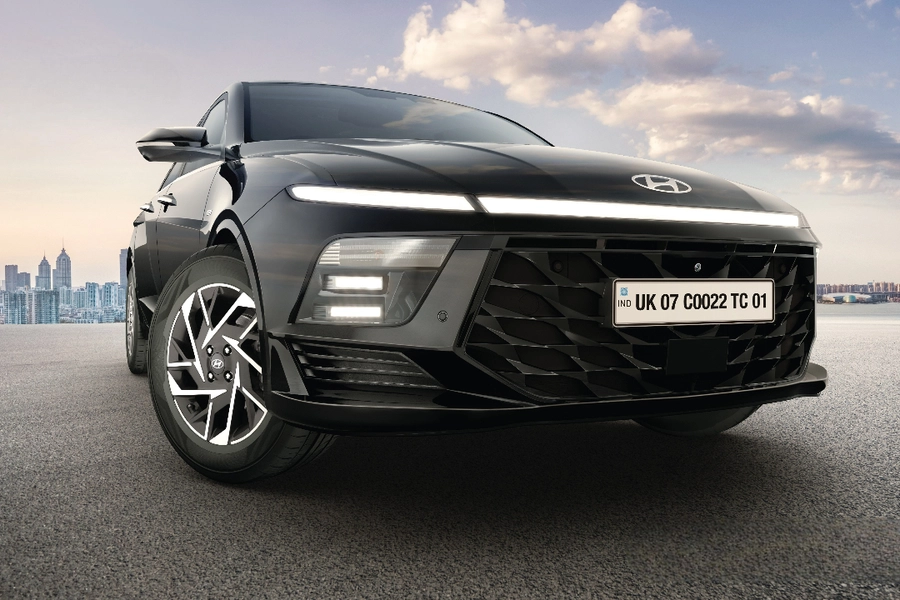
On the other hand, the Hyundai Verna facelift takes a more aggressive and futuristic approach. With its bold front design, connected lighting elements, and sharper cuts, the Verna stands out more on the road. It appeals to buyers looking for a more attention grabbing design.
In terms of dimensions, both sedans are closely matched. The Honda City measures 4594 mm in length, 1748 mm in width, and 1489 mm in height, with a wheelbase of 2600 mm. The Hyundai Verna is slightly shorter at 4585 mm but wider at 1765 mm, and lower at 1475 mm, with a longer wheelbase of 2670 mm. This gives the Verna a slightly more planted stance and potentially better rear seat space.
Boot space is another important factor. The City offers 506 litres while the Verna edges ahead with 528 litres, making it one of the most spacious in the segment. Ground clearance figures are officially available for the Verna at 165 mm, while the City does not specify this figure.
Honda City vs Hyundai Verna – Interior Design and Features
Inside the cabin, the Honda City facelift largely retains its familiar layout but introduces key upgrades aimed at improving comfort and practicality. The highlight is the new 10.1 inch touchscreen infotainment system that now supports wireless Android Auto and Apple CarPlay. Another important addition is the 360 degree multi view camera.
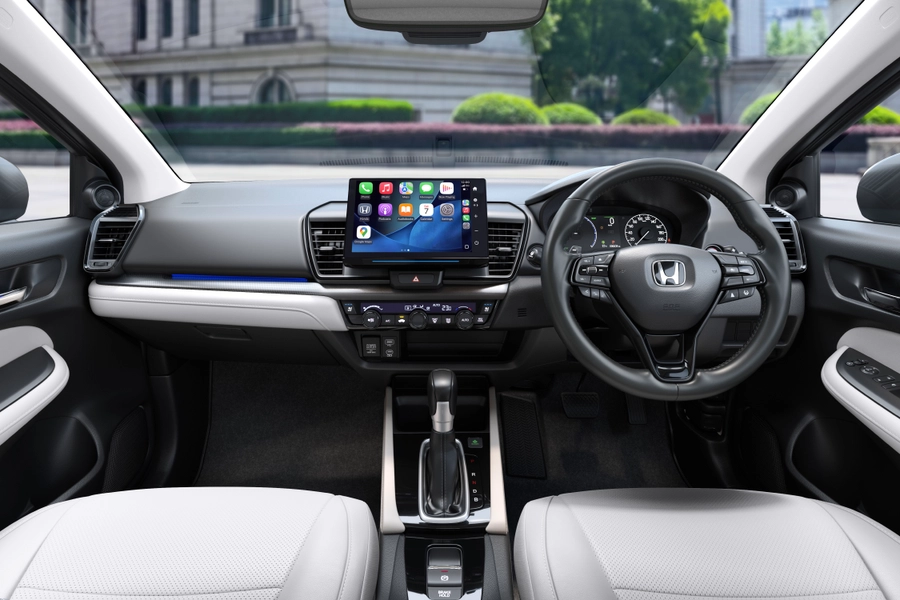
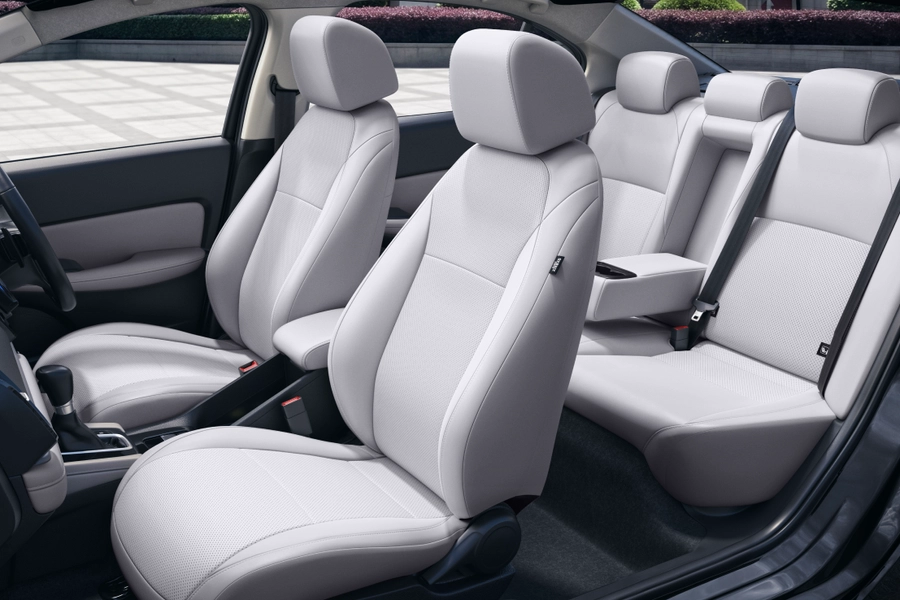
The inclusion of ventilated front seats is a first for the City and adds to overall comfort, especially in Indian conditions. The cabin continues to offer features such as an electric sunroof, USB charging ports for both front and rear passengers, and leatherette seats in higher variants. The overall experience remains practical and premium with these meaningful updates.
The Hyundai Verna takes a more technology focused approach inside the cabin. The biggest highlight is the new dual screen layout consisting of two 10.25 inch displays placed side by side, serving as the infotainment system and digital driver display. This setup gives the Verna a more modern and cockpit like feel.
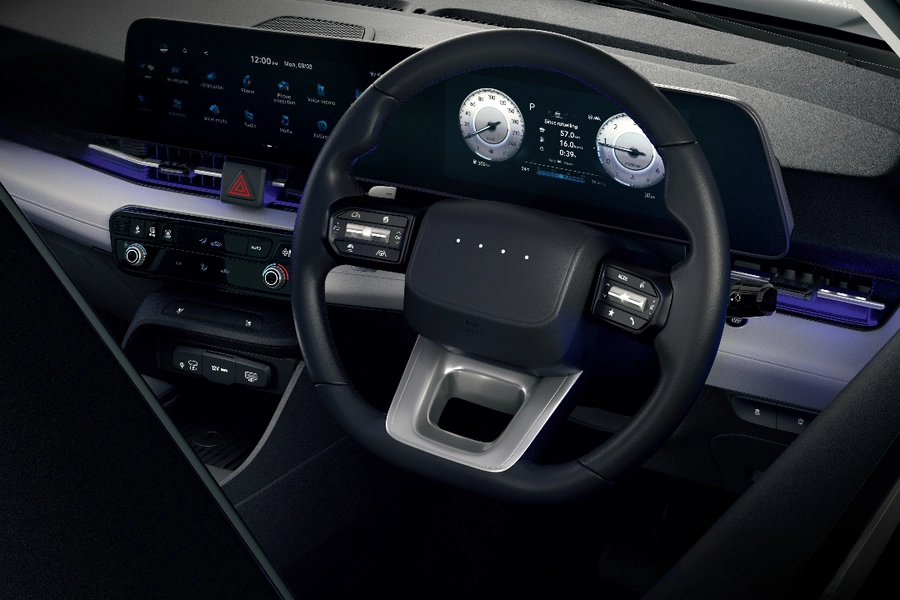
Feature wise, the Verna continues to push boundaries in the segment. It offers a surround view monitor and a blind spot view monitor, both adding to safety and convenience. Other features include wireless smartphone charging, wireless Android Auto and Apple CarPlay, ventilated front seats, and an electric sunroof.
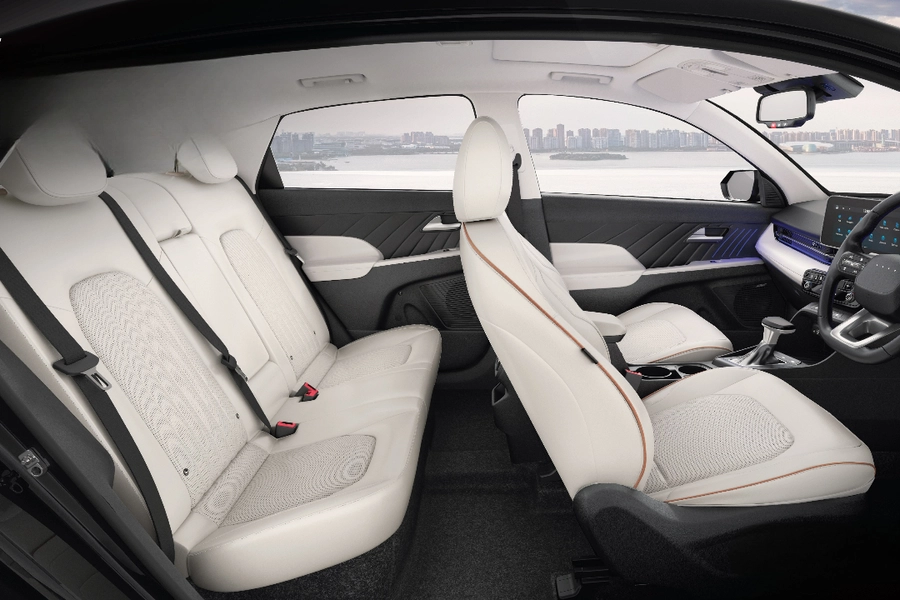
Hyundai has also enhanced comfort with additions such as a D cut steering wheel, leatherette upholstery, and electrically adjustable front seats. The driver seat gets eight way adjustment along with a memory function and welcome retract feature. The passenger seat offers four way adjustment and includes a walk in device for easier rear access. Rear passengers benefit from a sunshade and the smart trunk function adds to convenience.
Honda City vs Hyundai Verna – Engine Options and Specifications
In terms of powertrains, the Honda City facelift continues with its proven 1.5 litre naturally aspirated petrol engine producing 121 hp and 145 Nm of torque. It is paired with either a six speed manual or a CVT automatic transmission. Fuel efficiency stands at 17.77 kmpl for the manual and 17.97 kmpl for the CVT.
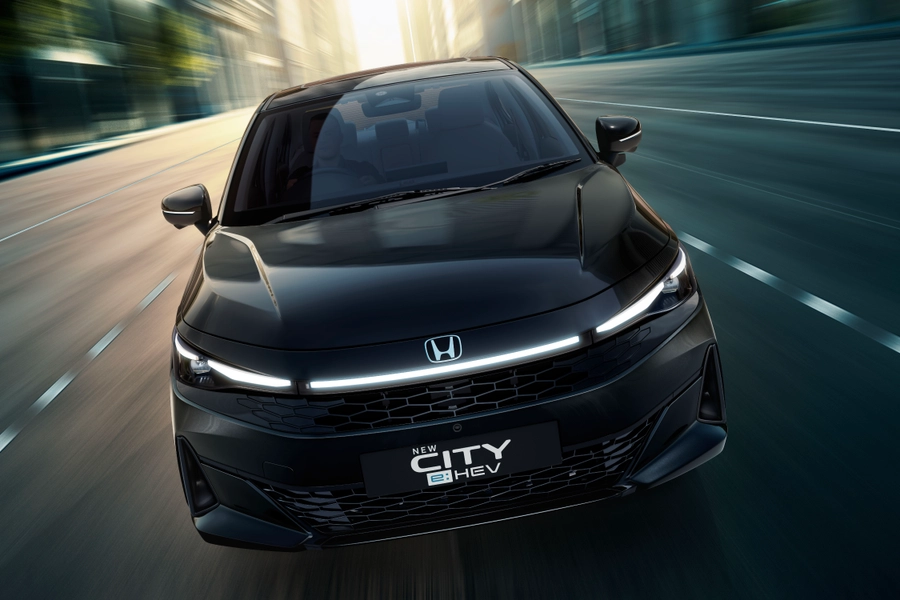
The highlight of the City lineup remains the strong hybrid variant. This setup combines a 1.5 litre petrol engine with dual electric motors to produce a combined output of around 126 hp. The efficiency figure of 27.26 kmpl makes it one of the most fuel efficient sedans currently on sale.
The Hyundai Verna facelift offers two petrol engine options. The first is a 1.5 litre naturally aspirated unit producing 115 PS and 144 Nm of torque, paired with either a six speed manual or a CVT transmission.
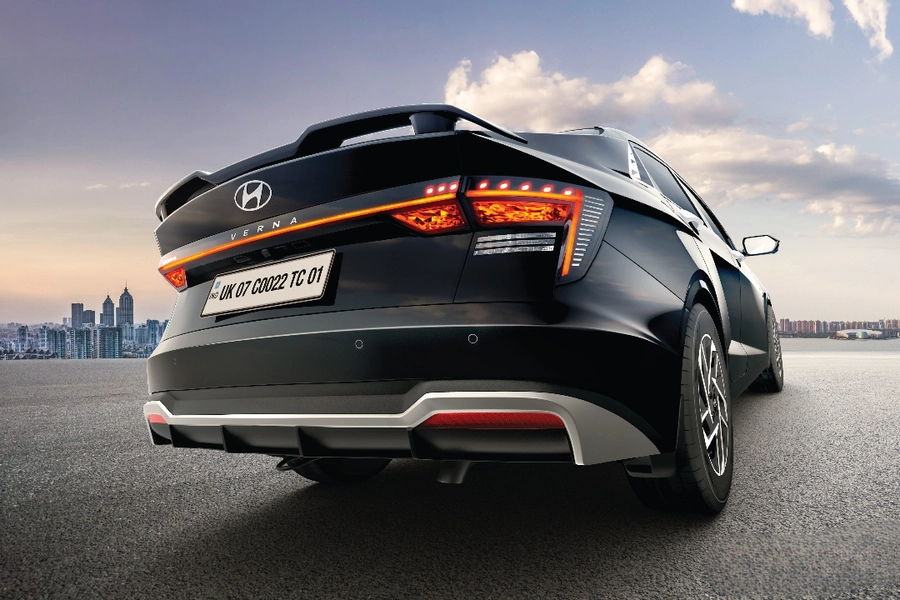
The second option is the more powerful 1.5 litre turbo GDI petrol engine that produces 160 PS and 253 Nm of torque. This engine can be paired with either a six speed manual or a seven speed dual clutch transmission. The Verna also offers paddle shifters, multiple drive modes including Normal, Eco and Sport, and idle stop and go technology to enhance efficiency and driving experience.
Honda City vs Hyundai Verna – Price and Variants
The Hyundai Verna facelift is offered in multiple variants including HX2, HX4, HX6, HX6 Plus, HX8 and HX10. Pricing starts at ₹10.98 lakh ex showroom for the base naturally aspirated manual variant. The naturally aspirated lineup with CVT goes up to ₹17.15 lakh. The turbo petrol manual variant is priced at ₹16.28 lakh, while the top end turbo petrol with the seven speed DCT reaches ₹18.25 lakh ex showroom.
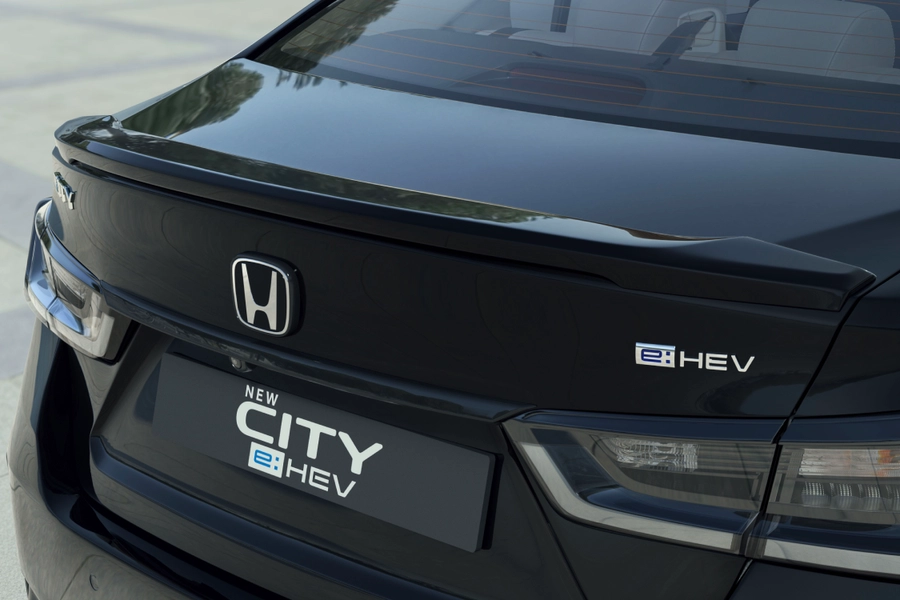
The Honda City facelift is also available across multiple variants. Prices start at ₹11.99 lakh for the S trim. The V variant is priced at ₹13.29 lakh for manual and ₹14.29 lakh for automatic. The ZX variant comes in at ₹14.25 lakh for manual and ₹16.25 lakh for automatic. The top ZX Plus trim offers both petrol and hybrid options, priced at ₹16.14 lakh for manual petrol, ₹17.14 lakh for automatic petrol, and ₹20.99 lakh for the hybrid.
Honda City vs Hyundai Verna – Verdict
In this Honda City vs Hyundai Verna comparison, the Hyundai Verna comes out ahead as the more modern and feature rich sedan. Its dual screen setup feels better integrated, while the City’s touchscreen appears less seamless. The Verna also offers more features like rear sunshades and advanced seat functions, enhancing overall comfort and usability.
The Honda City still stands out with its hybrid engine, offering excellent fuel efficiency and smooth performance. However, as an overall package, the Verna’s design, features and tech give it the edge, making it the better value choice for most buyers in 2026.
Pingback: Hyundai Motor India’s 9% YoY Sales Growth in May 2026: What Made it Possible - Shutterdrives