
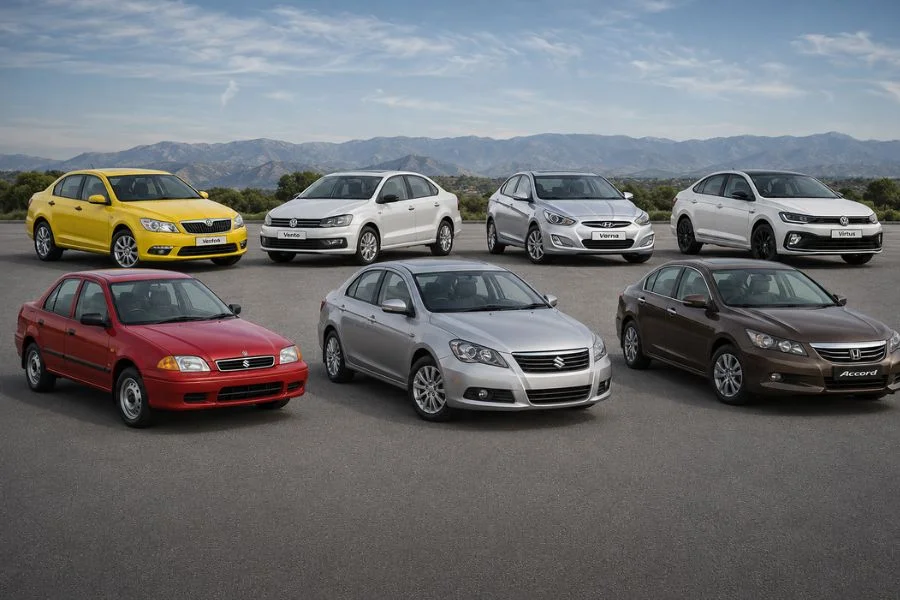
If you ask a kid to draw a car, chances are he will still sketch that simple three box shape. A rectangle for the engine, a box in the middle for the cabin, and a neat little section at the back for the boot. Almost instinctively, that drawing ends up looking like a sedan.
There was a time in India when owning a sedan meant you had arrived. It was not just about getting from one place to another. It was about what that car said about you. It spoke of growth, stability and a certain sense of having made it in life. For many families, the sedan was the first big upgrade. The step up from a small hatchback into something that felt complete.
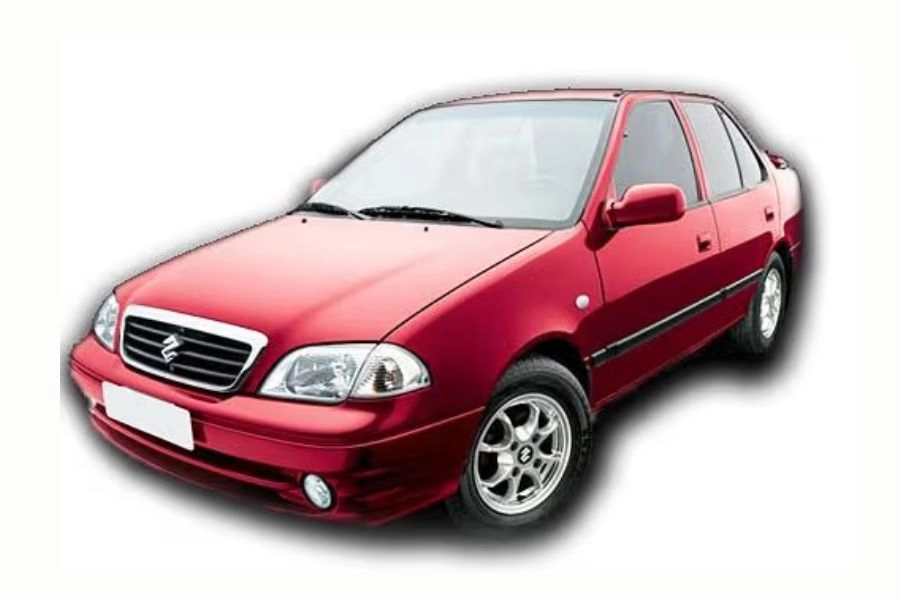
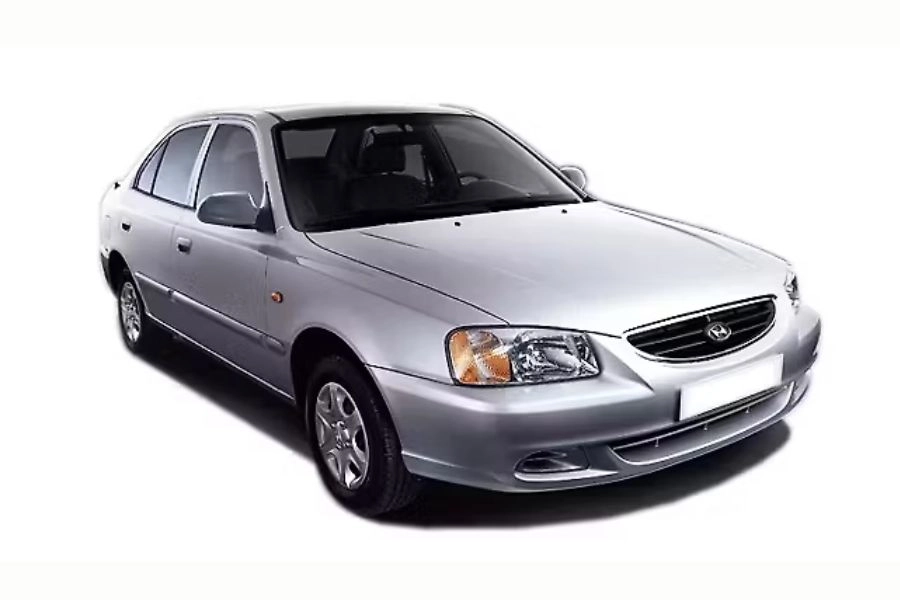
Growing up in the early 2000s, sedans had a presence that is hard to explain today. You would spot them outside homes of relatives who were doing well, outside offices, at weddings, at airports. They looked longer, more elegant and somehow more important. Cars like the Honda City, Maruti Suzuki Esteem and Baleno, Hyundai Accent and Ford Ikon were not just popular, they were aspirational.
There was also something deeply personal about them. Families took pride in their sedans. Sunday mornings meant cleaning the car, wiping every panel carefully, making sure it looked as good as new. Long drives felt more comfortable, more relaxed. The boot swallowed luggage with ease and the cabin had just enough space to make road trips enjoyable without feeling cramped.
As roads improved and incomes grew, the sedan became the perfect fit for the Indian buyer. It was practical, but also emotional. It offered comfort, a sense of style and just enough luxury to feel like a reward for years of hard work.
Then came the golden period. The late 2000s and early 2010s were when the sedan segment truly peaked. Every manufacturer wanted in. Not just with one car, but with an entire lineup. Entry level, mid size and flagship sedans became the norm. It was almost like a rite of passage for brands to prove themselves through their sedans.
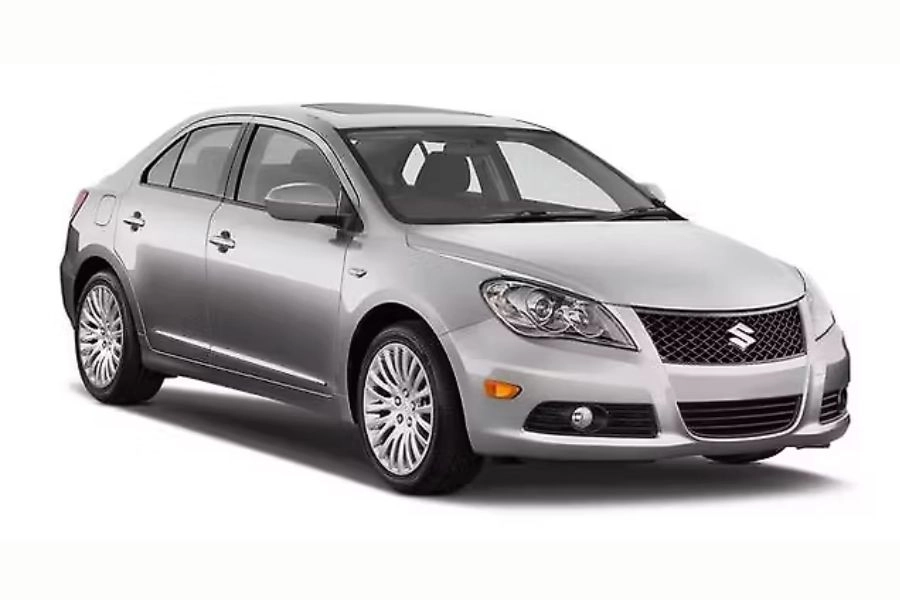
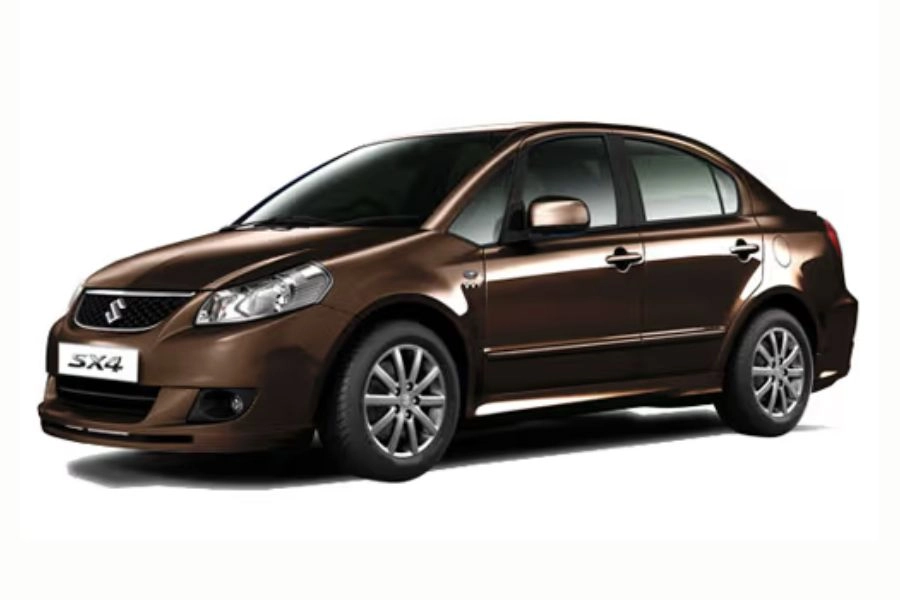
Maruti Suzuki, known for its small cars, quietly built a strong sedan portfolio. The Swift Dzire brought the sedan dream within reach of first time buyers. It was simple, familiar and incredibly popular. The SX4 offered something different with its taller stance and spacious cabin. And at the very top sat the Kizashi, a car that felt far more premium than anything else the brand had on sale at the time. It was refined, understated and in many ways, ahead of what the market was ready for.
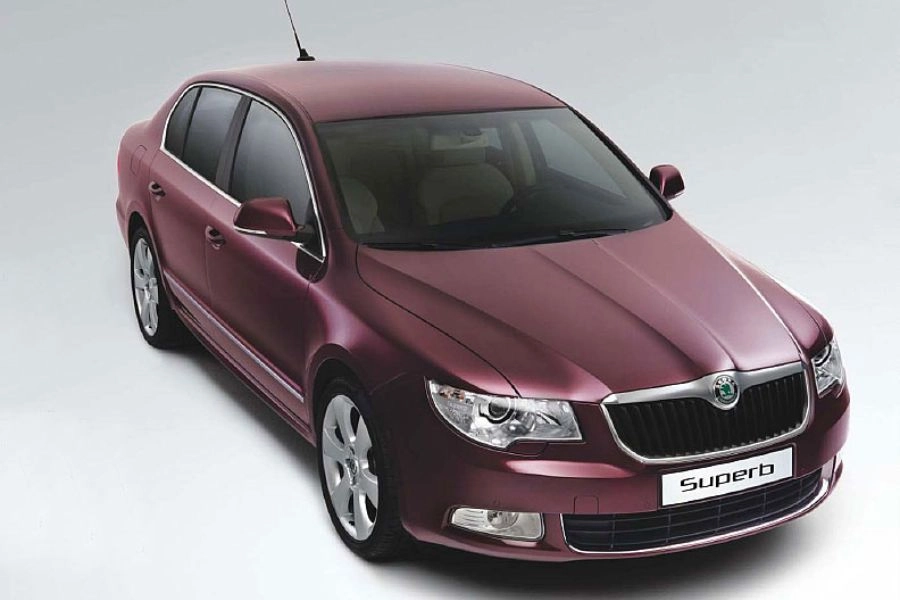
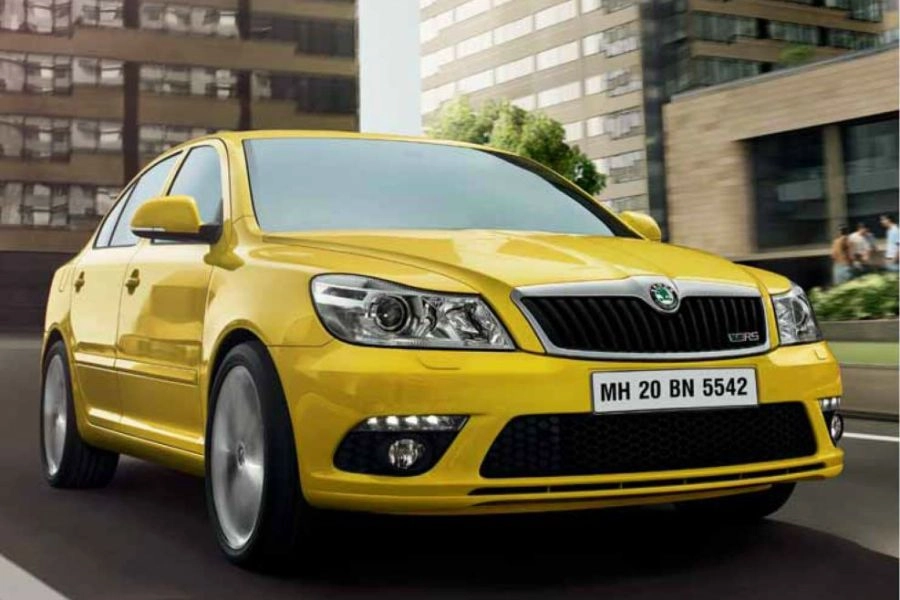
Skoda approached things with a focus on driving and build quality. The Superb stood tall as their flagship, even offering a V6 engine at one point. It felt like a proper luxury sedan without the typical luxury badge. The Laura and the Laura vRS became favourites among enthusiasts.
They were solid, planted and rewarding to drive. The Rapid brought that European feel to a wider audience, while the Octavia returned in its third generation to remind everyone why it had such a loyal following. The Octavia vRS, in particular, became a dream for those who loved performance.
Volkswagen had a similar layered approach. At the top was the Phaeton, a car that shared its underpinnings with the Bentley Flying Spur.
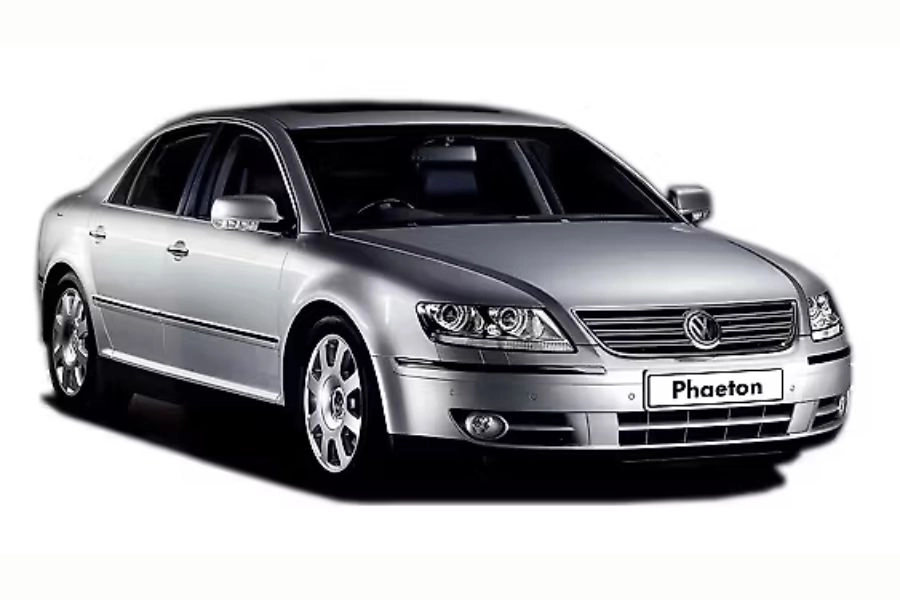
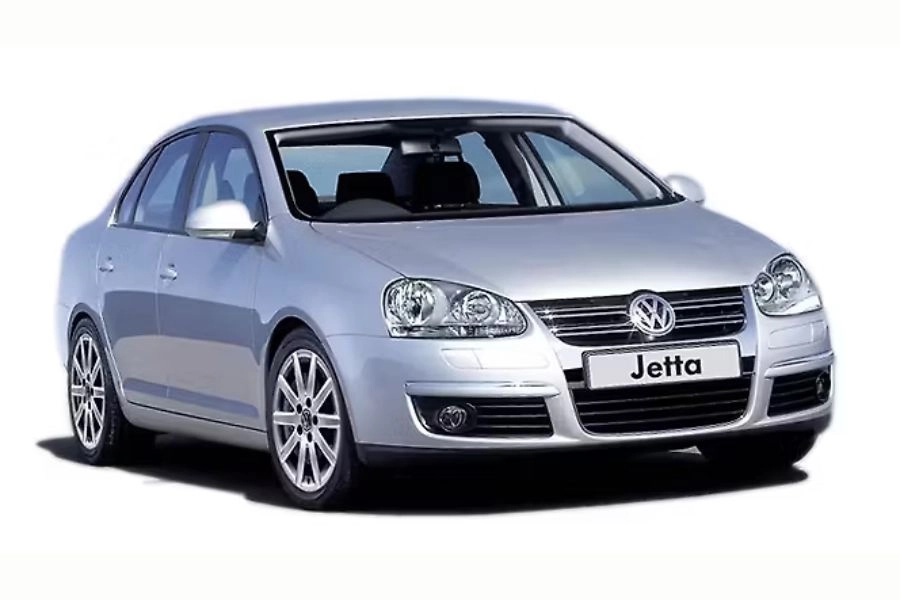
It was not about volumes, it was about making a statement. The Passat offered a balance of comfort and performance, while the Jetta brought a more driver focused feel. The Vento became a strong contender in the mid size segment, known for its clean design and solid build.
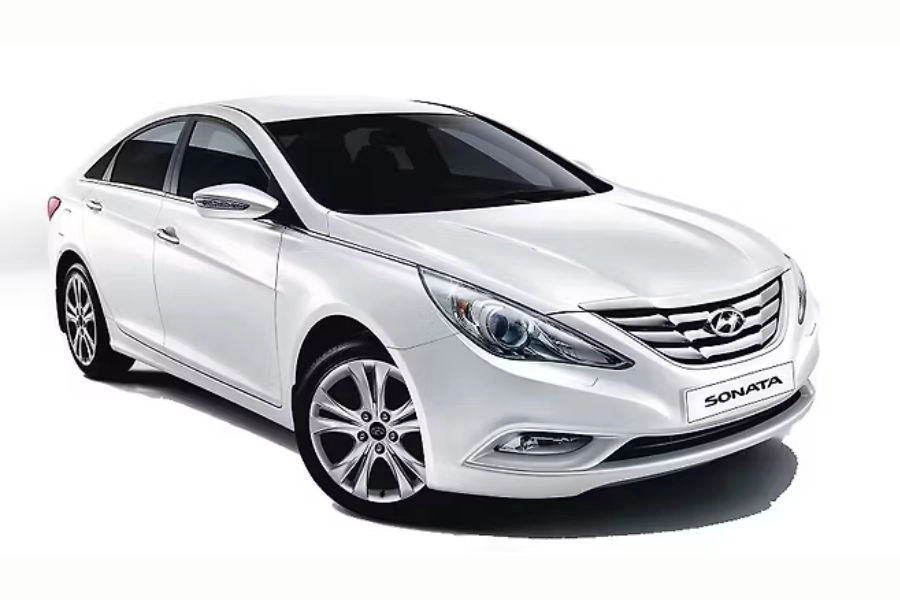
Hyundai played the game differently, focusing on features and value. The Sonata was their flagship, big and comfortable. The Elantra added style and practicality, while the Verna became one of the most popular mid size sedans in the country. Hyundai also saw the potential in the sub 4 metre rule early on, launching the Xcent, which made owning a sedan more affordable. Today, that space is carried forward by the Aura.
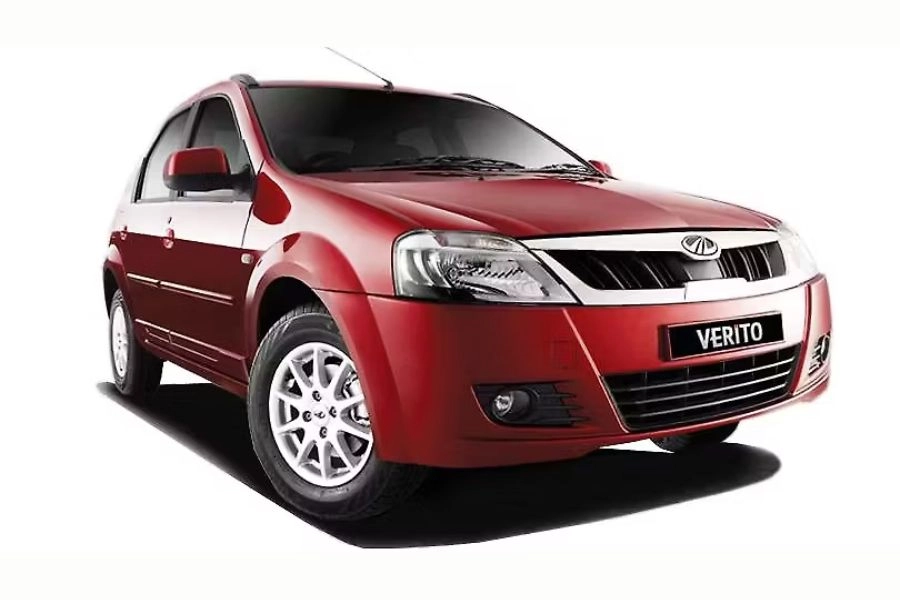
What really shows how big the sedan wave was is the fact that even Mahindra stepped into the segment. Known for its SUVs, Mahindra introduced the Verito, which was essentially a rebadged Renault Logan. It was simple and practical, and while it did not have the flair of its rivals, it had a certain honesty that appealed to buyers looking for reliability.
And then there was Honda, a brand whose entire identity in India was built around sedans.
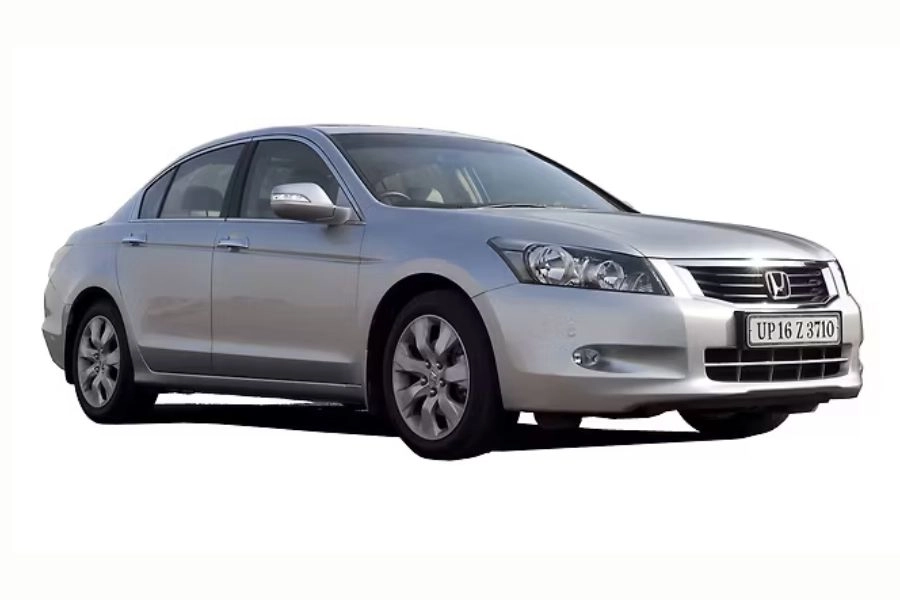
There was a time when Honda showrooms were defined by three cars. The Accord, the Civic and the City. Each one represented a different stage in a buyer’s journey.
The Accord sat at the top. It was elegant, refined and carried a quiet confidence. It was the car you associated with success. The smooth petrol engine, the comfortable cabin and the overall experience made it feel special without being flashy.
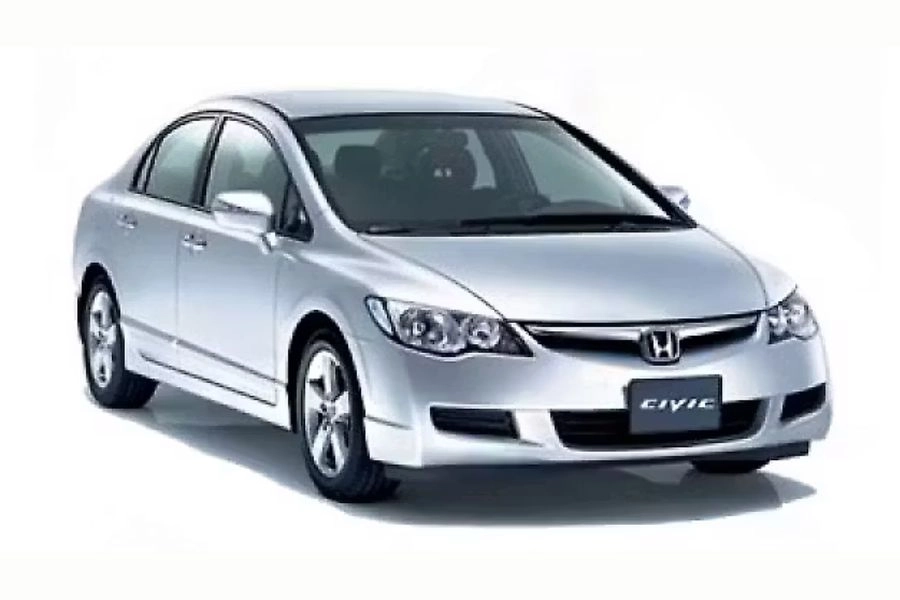
The Civic brought a sense of excitement. It looked futuristic, almost ahead of its time. The low stance, the sleek design and that distinctive instrument cluster made it stand out instantly. It was the car that younger buyers aspired to own, something that felt both stylish and engaging to drive.
And then there was the City. The car that started as Honda’s entry point in India. It was practical, reliable and easy to live with, but it also had a character of its own. The way it drove, the responsiveness of the engine and the overall sense of quality made it a favourite across generations.
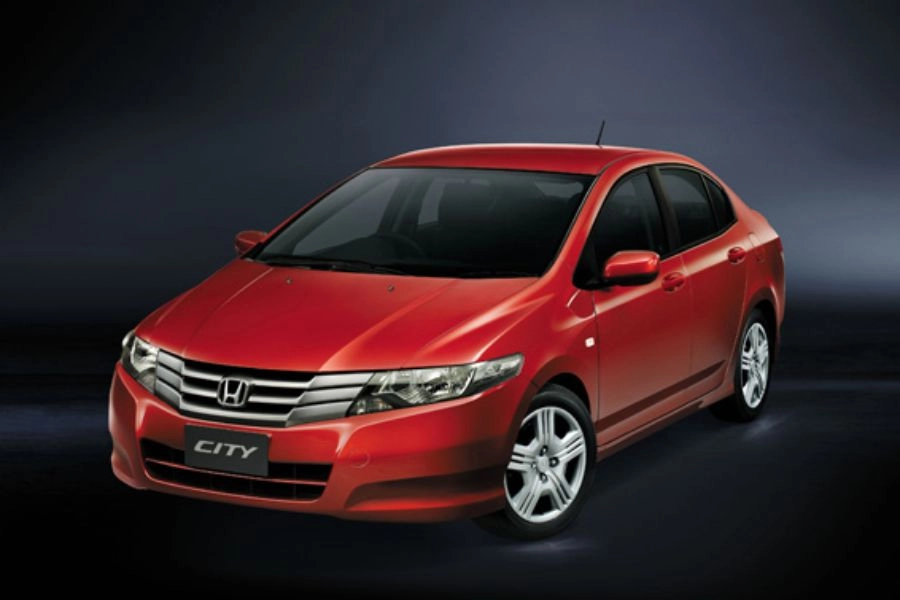
Back then, there was a clear progression. You started with the City, moved up to the Civic and eventually, if everything went well, to the Accord. It was not just about upgrading your car. It was about marking milestones in life.
But slowly, things began to change.
The shift was not sudden. It crept in quietly. The arrival of compact SUVs like the Ford EcoSport changed how people looked at cars. The higher seating position gave a better view of the road. Bad roads and speed breakers felt less intimidating. There was a sense of toughness, even if most owners never really took their cars off the beaten path. Buyers started leaning towards this new body style. Manufacturers noticed and responded quickly. More compact SUVs entered the market, followed by mid size SUVs. Every segment that once had strong sedan options was now filled with SUVs offering something that felt more suited to Indian conditions.
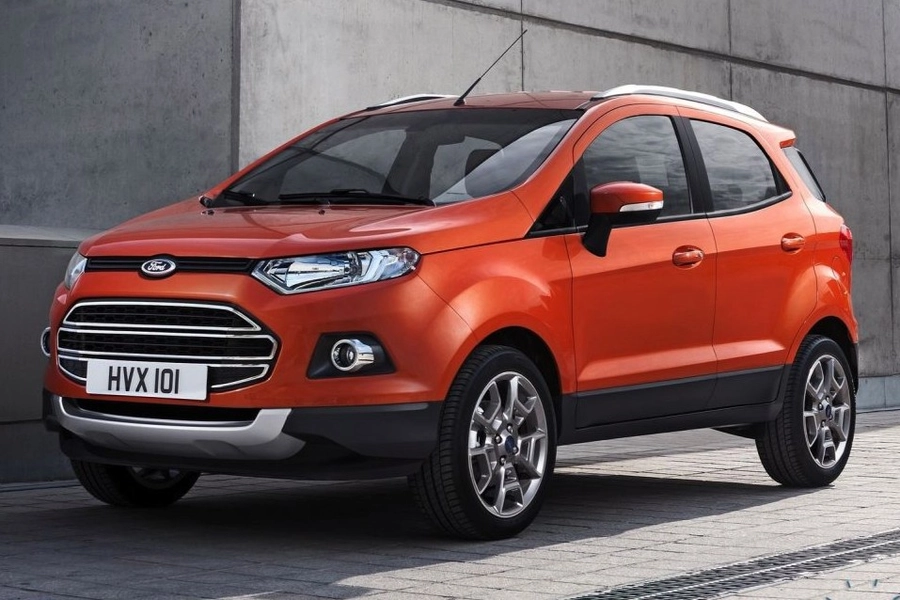
Ground clearance became a major talking point. The fear of scraping the bottom of a sedan over speed breakers or potholes began to influence buying decisions. Even if the concern was sometimes exaggerated, it was enough to push buyers towards SUVs. At the same time, design preferences began to change. SUVs looked bold and modern. They had a presence that appealed to a new generation of buyers who were more influenced by global trends. The sedan, with its lower stance and more subtle design, started to feel less exciting to the average buyer.
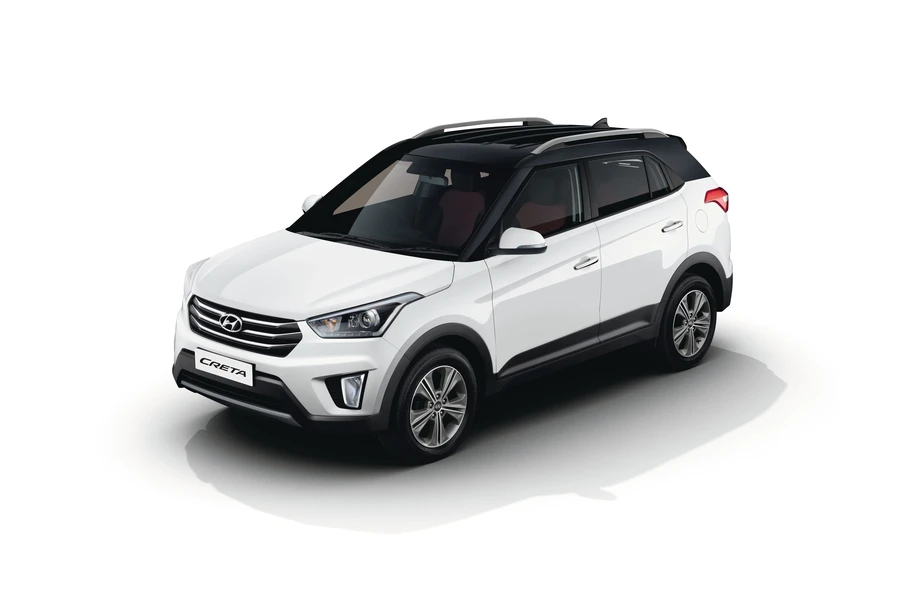
Practicality also played a role. While sedans had large boots, SUVs offered more flexibility with their seating and loading options. For many families, that versatility made a difference. As the market shifted, the impact on sedans became clear. Sales began to drop. Models were discontinued. Updates became less frequent. The excitement around new sedan launches slowly faded.
Honda’s lineup reflected this change perfectly. The Accord disappeared as demand for large sedans declined. The Civic tried to make a comeback, but the timing was not right. Buyers had already moved on. And just like that, the City went from being the entry level offering to becoming Honda’s flagship in India. It is a shift that says a lot about how much the market has evolved. And yet, despite all this, the sedan has not completely lost its place.
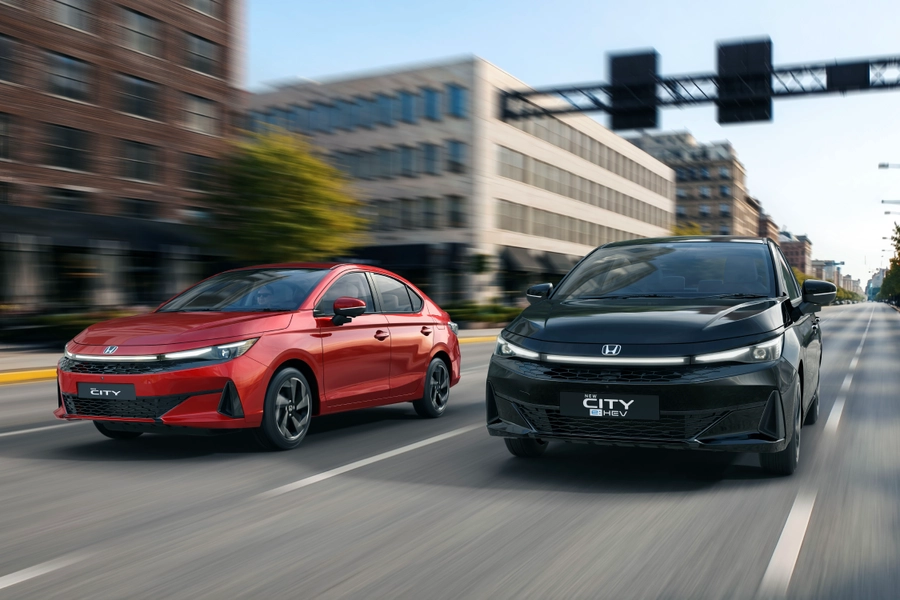
Cars like the Honda City, Hyundai Verna, Volkswagen Virtus and Skoda Slavia continue to exist, supported by buyers who still appreciate what they offer. There is a certain balance to a sedan that is hard to replicate. The way it drives, the stability at high speeds, the comfort over long distances. These are qualities that still matter to those who enjoy driving. More importantly, there is an emotional connection that refuses to fade.

For many of us, the sedan was our first dream car. The first big purchase that felt like a reward. The car that was part of family road trips, late night drives and important life moments. It was never just a machine. The decline of the sedan in India is not just about changing market trends. It is about changing aspirations. What people want from their cars today is different from what they wanted two decades ago.
But even today, when you see a well kept sedan on the road, there is a certain respect it commands. A quiet reminder of a time when these cars ruled the streets and defined what it meant to move forward in life. The roads today may be filled with SUVs, but the story of the sedan is far from over. It has simply moved into a different space. One where it is no longer the obvious choice, but a conscious one. And sometimes, the choices we make consciously are the ones that stay with us the longest.