

For years, imported cars in India have worn a massive price premium, thanks largely to steep import duties that kept European brands firmly in the luxury-only zone. That equation is now set to change. India and the European Union have reached a long-awaited Free Trade Agreement (FTA), and one of its biggest implications lies in the automobile sector. With import duties on European-made cars slated to come down in phases, the deal could reshape how global carmakers approach India — and how Indian buyers view European cars. Here’s a simple breakdown of what this trade agreement means for the Indian automobile industry.
Before getting into what the India EU trade deal changes, it is important to understand the taxation structure that is already in place. Currently, completely built units imported into India attract heavy import duties. For cars priced below 40,000 dollars, the import duty stands at 70 percent, while cars priced above 40,000 dollars attract a significantly higher 110 percent duty. This import duty is added to the car’s base price, after which GST, cess and applicable state or integrated GSTs are levied, eventually arriving at the final ex showroom price.

In simple terms, the pricing structure includes the base vehicle cost, import duty and then GST and other applicable taxes. This structure applies only to CBU vehicles. European cars that are assembled or manufactured in India are taxed under the standard central and state GST framework and are not affected by changes to import duties under this trade agreement.

Under the revised taxation framework proposed as part of the India EU free trade agreement, import duties on European made completely built units will see a sharp correction. Once the agreement comes into effect, the highest import duty of 110 percent will be reduced to around 40 percent almost immediately. From there, the duty will be lowered further in a phased manner over the years, eventually dropping to as low as 10 percent.
This revised duty structure applies only to vehicles manufactured within the European Union. As a result, luxury brands such as Bentley, Rolls Royce, and models imported from the United Kingdom, including certain Land Rover and Mini CBUs, will not benefit from this agreement, as the UK formally exited the European Union following Brexit in January 2020.
India Europe Free Trade Agreement – Volkswagen Auto Group
In terms of the number of brands and models affected, the Volkswagen Auto Group is set to be one of the biggest beneficiaries of the India EU free trade agreement. Several of its cars sold in India are imported from Europe as completely built units, making them eligible for the revised import duty structure.
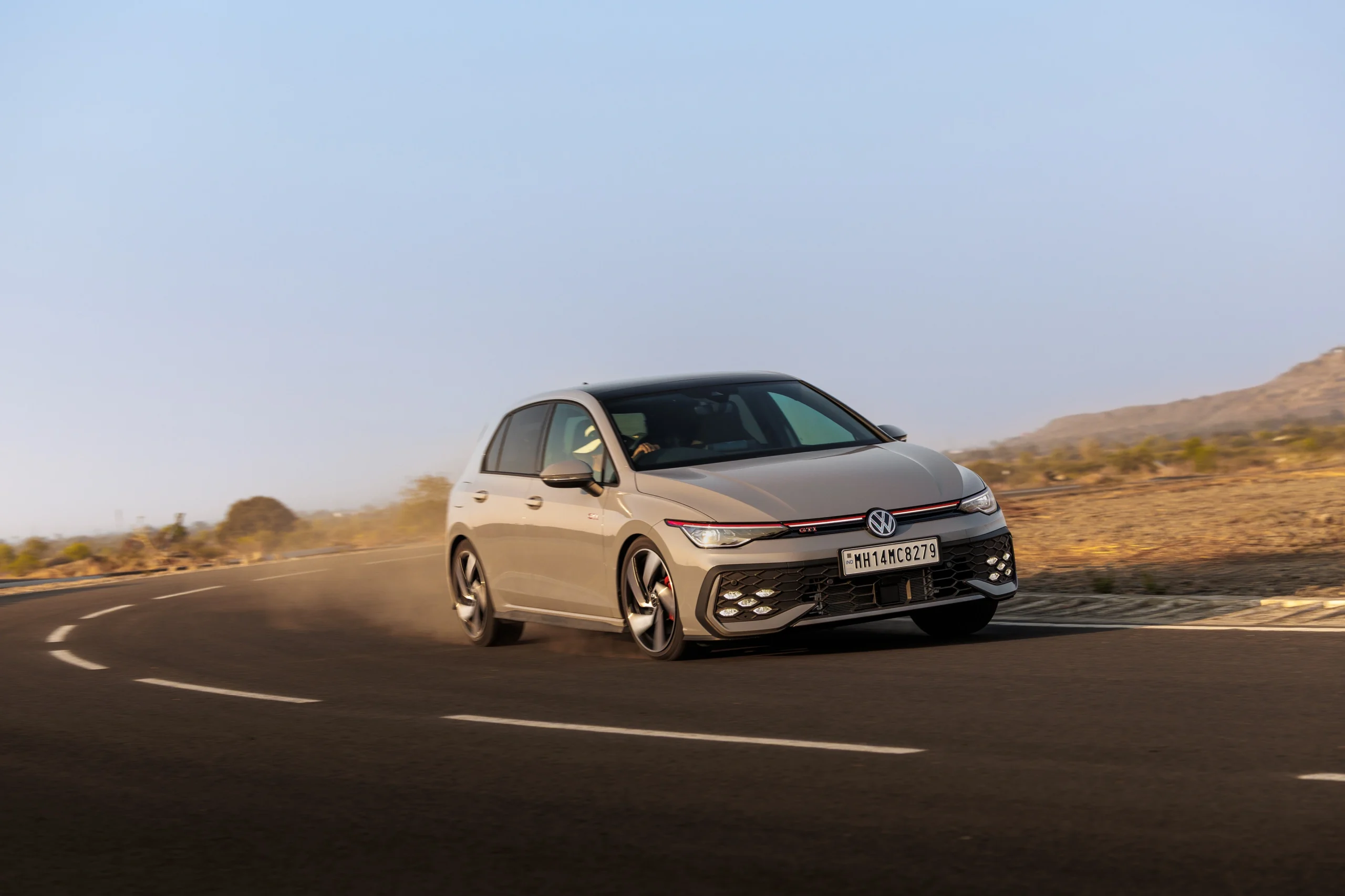
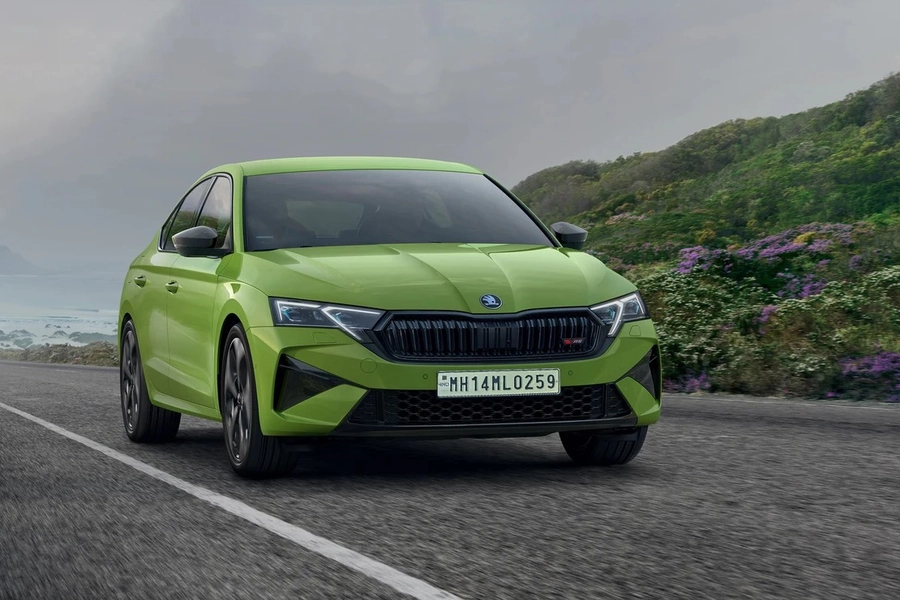
Volkswagen models like the Golf GTI, which currently retails at around 50 lakh rupees ex showroom, could see prices drop to the 35 to 40 lakh rupee range once duties are reduced from 110 percent to around 40 percent initially. Skoda too stands to gain with CBU models such as the Octavia RS and the upcoming Kodiaq RS, both of which are imported from Europe.
Audi’s performance focused S and RS models are also key beneficiaries. The Audi S5, priced at about 73 lakh rupees ex showroom, could move closer to the 60 to 65 lakh rupee mark, while the RS Q8 Performance, currently at around 2.3 crore rupees ex showroom, could see prices soften to roughly 2 to 2.1 crore rupees.

Porsche, part of the Volkswagen Auto Group, could see some of the most noticeable changes. Its entire internal combustion lineup in India is imported as completely built units, from the Macan to the Cayenne, Panamera and the 911. The Macan, currently starting at 90 lakh rupees, could drop to 75 to 80 lakh rupees. The Cayenne, at 1.38 crore, could move to around 1.15 to 1.2 crore rupees, while the Panamera, at 1.7 crore, could fall to roughly 1.5 crore to 1.4 crores. Even the 911, starting near 2 crore rupees, could see prices settle around 1.7 to 1.8 crore rupees once the initial duty reductions are applied.

And we should not forget Lamborghini under the Volkswagen Auto Group umbrella. All of Lamborghini’s internal combustion cars in India are completely imported from Europe, so they will also benefit from the revised duty structure. Cars like the Lamborghini Urus , which currently sits at 4.47 crore rupees ex showroom in India, the Lamborghini Temerario priced at 5.87 crore rupees, and even higher models like the Revuelto priced at 8.7 crore rupees could see noticeable reductions as duties fall from 110 percent toward 40 percent and eventually lower to 10 percent.

India Europe Free Trade Agreement – Mercedes-Benz and BMW
Mercedes Benz and BMW are two brands that stand to benefit significantly from the revised import duty structure under the India Europe free trade agreement. Mercedes has a wide range of completely imported models in India, starting with the ultra luxury Maybach S680, which sits at above 3.5 crore rupees ex showroom, and extending across its extensive AMG portfolio.

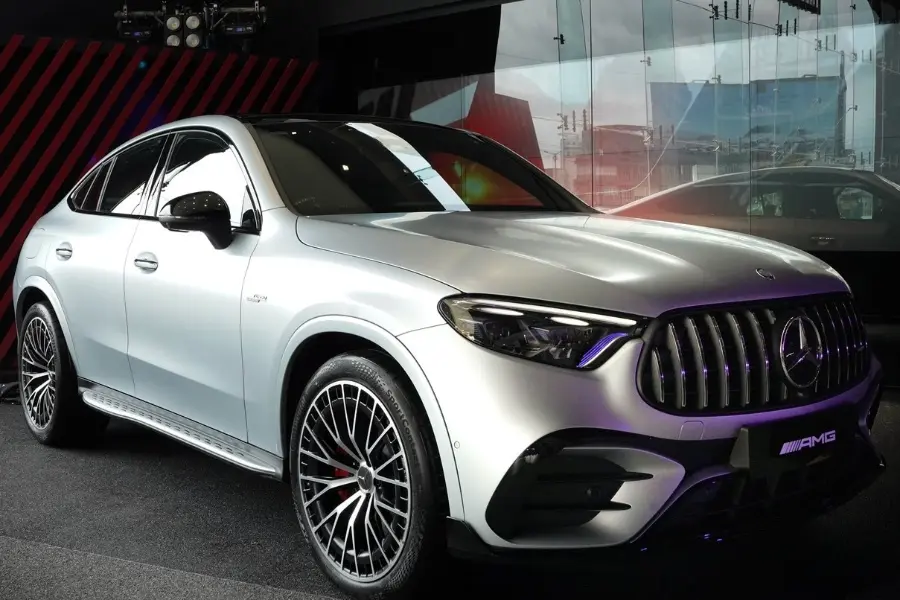
This includes models like the A45 S hatchback, C43 sedan, CLE53, GLC43, GLE53, SL55, S63 e-performance, C63 performance, GT63S e-performance, GT 63 and the range topping G63, all of which are imported as completely built units. Even non AMG imports such as the G-Class 450d which is priced at ₹2.90 crores ex-showroom fall under this category and could see meaningful price corrections once duties drop from 110 percent to around 40 percent initially.
BMW’s performance and niche lineup is similarly positioned. The brand’s M cars, including the M2, M4, M5 and M8, along with the BMW Z4 roadster and the flagship XM SUV, are imported from Europe as CBUs and currently command premium pricing due to high duties. With the revised duty structure these models could become notably more accessible over time compared to today’s pricing.

India Europe Free Trade Agreement – Land Rover, Maserati and Ferrari
Beyond the German luxury brands, Land Rover, Maserati and Ferrari are also set to benefit from the India EU free trade agreement. The Land Rover Defender, one of the brand’s highest selling models in India and imported as a completely built unit from Slovakia, could see its pricing soften once the revised import duties come into effect.

The Defender range currently starts at 1 crore rupees ex showroom for the base model and goes up to 1.63 crores, while the range topping Defender Octa is priced at 2.41 crores. With the duty reduction, the entry level Defender could drop to sub 1 crore pricing, and the higher variants are also expected to become significantly more affordable, making this iconic SUV more accessible to buyers across multiple body styles (90, 110, 130) and powertrain options.
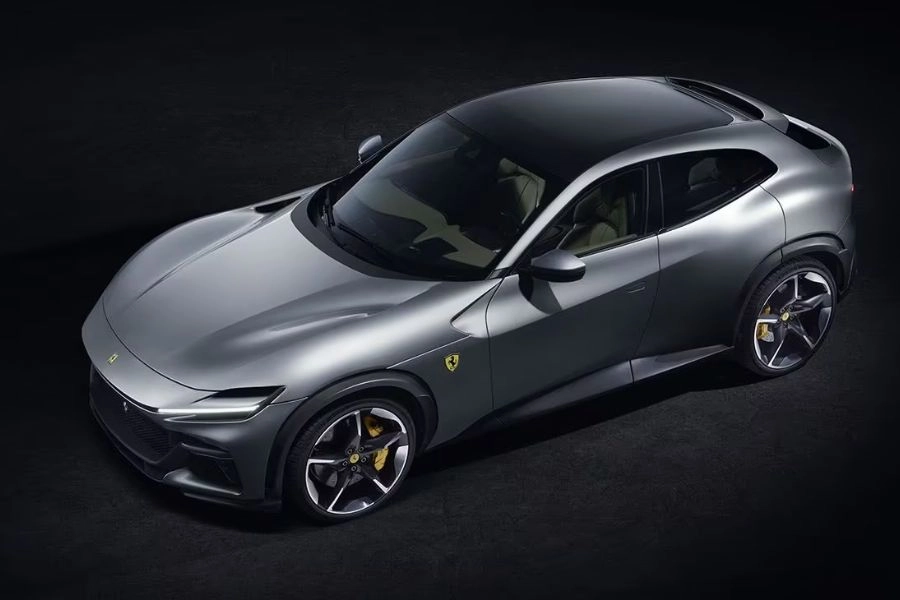
Maserati, whose entire lineup in India is imported, could also benefit, with models such as the Grecale, MC20, MC Pura and GranTurismo potentially becoming more competitively priced over time. Ferrari too imports all its cars into India as CBUs, and its current lineup which includes the Purosangue priced at 9.93 crores (ex-showroom), 296 GTB priced at 5.10 crores (ex-showroom) and 12 Cilindri priced at 8.5 crores (ex-showroom) could see a reduction in the duty burden once the phased cuts are implemented.
India Europe Free Trade Agreement – Electric Vehicles and Car Parts
Electric vehicles and car parts will follow a similar phased approach, with the revised taxation structure kicking in after five years, ultimately eliminating import taxes entirely for CBUs from Europe. This phased reduction provides both buyers and manufacturers with a clear roadmap, making high-end European cars more accessible while giving the market time to adjust. Over the coming years, this agreement is likely to reshape the premium, performance, and luxury segments in India, offering greater choice, improved affordability, and a more competitive automotive landscape.
In summary, the India EU free trade agreement marks a significant shift for the Indian automobile market. Completely built units from Europe, particularly internal combustion vehicles, will benefit first with duties dropping from 110 percent to around 40 percent, and then gradually to 10 percent over time.
Pingback: From iPhone to Ferrari: 2026 Ferrari Luce EV quirky revealed - Shutterdrives