

The mid-size SUV segment has become one of the most hotly contested spaces of the Indian passenger vehicle market. Buyers today are no longer limited to just a few familiar models. Instead, the segment now offers a wide range of options, each with a different focus. Some SUVs emphasise comfort and features, others focus on engine choices and performance, while a few are positioned as value-for-money alternatives. Among the most widely discussed models in this segment are the Kia Seltos, Hyundai Creta, Tata Sierra, and Maruti Suzuki Victoris.
While all four sit broadly within a similar footprint and price band, their approaches differ significantly when it comes to pricing, variant lineup and powertrain options. This comparison looks beyond brand perception and marketing narratives and focuses on what matters most to buyers: how much these SUVs cost, what engines they offer, how their variants are structured, and which one delivers the most accessible entry point into the segment.
Mid Size SUV Comparo – Price Overview and Market Positioning
At an ex-showroom level, the Maruti Suzuki Victoris is the most affordable SUV among the four. Its pricing starts at approximately ₹10.5 lakh, positioning it as the entry-level option in this comparison. The Hyundai Creta follows closely, with a starting price of around ₹10.7 lakh. Kia’s Seltos begins slightly higher at just under ₹11 lakh, while the Tata Sierra enters the segment at a noticeably higher starting point of roughly ₹11.5 lakh.
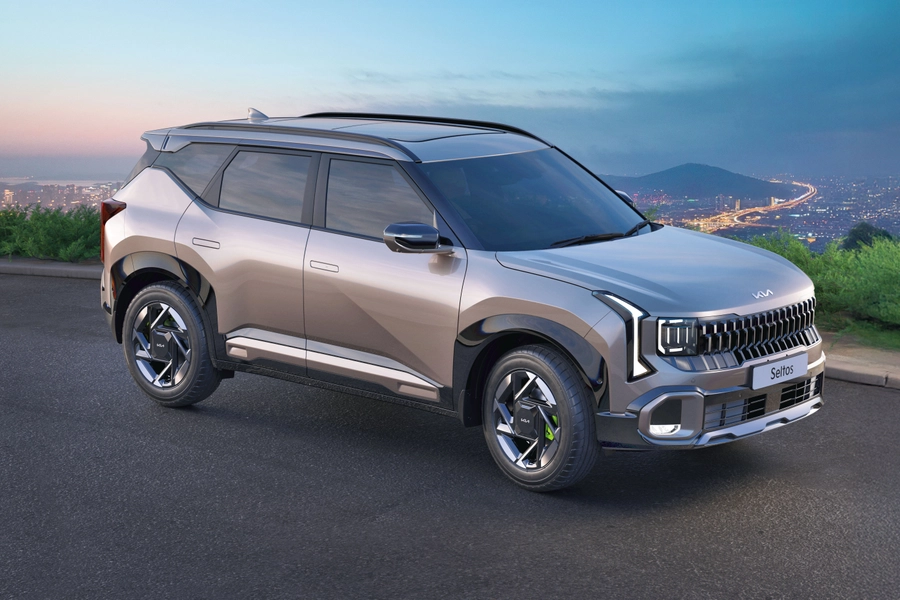
This difference of nearly ₹1 lakh between the Victoris and the Sierra at the base level is not insignificant, especially for buyers upgrading from compact SUVs or premium hatchbacks. In real-world terms, it often translates into a higher down payment or a longer loan tenure. At the other end of the spectrum, the price gap narrows. The Creta, Seltos and Victoris all top out close to the ₹20 lakh mark, while the Sierra stretches further, with its highest variants crossing ₹21 lakh ex-showroom.
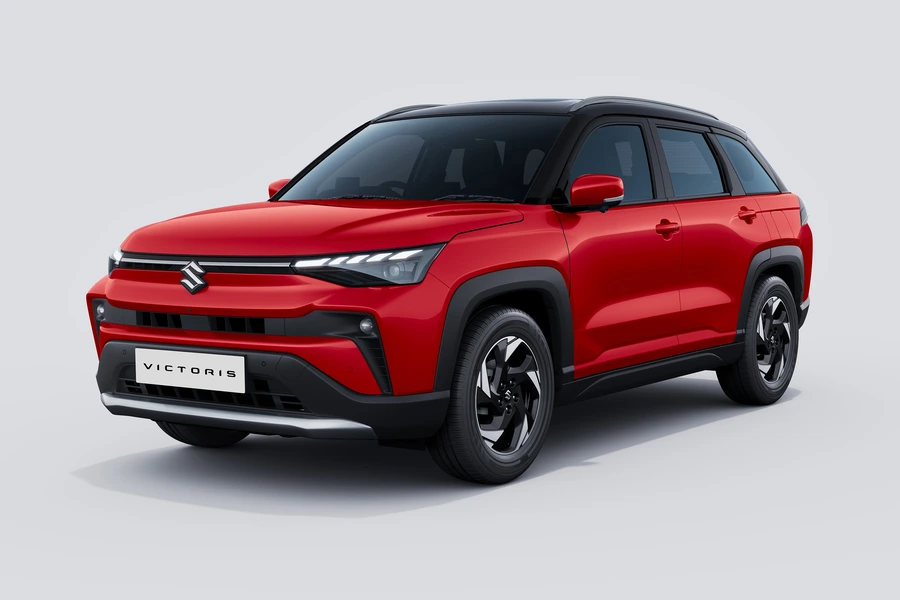
In simple pricing terms, the Victoris is the most affordable to enter, with the Creta sitting slightly above it, the Seltos occupying middle ground, and the Sierra positioning itself as the most expensive, particularly in higher trims.
Mid Size SUV Comparo -Variant Strategy and Line-Up Depth
Maruti Suzuki’s approach with the Victoris is built around choice. The SUV is offered across a wide range of trims, covering petrol, CNG and strong hybrid powertrains. This expansive spread allows Maruti to cater to different buyer profiles, from cost-conscious urban users to those prioritising fuel efficiency and lower running costs. Even at lower trims, the Victoris maintains a relatively competitive equipment level, though its higher variants are where it begins to feel more comparable to rivals in terms of features.
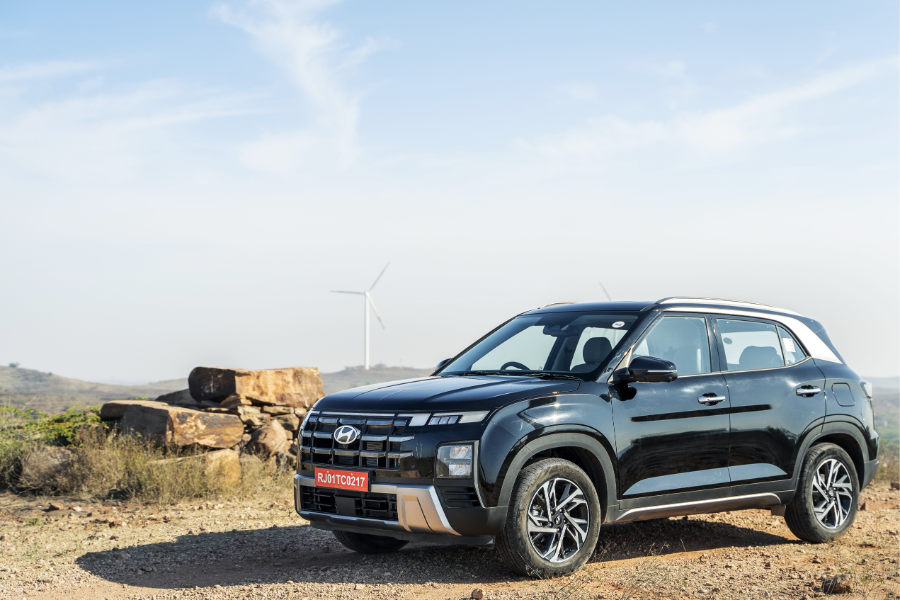
Hyundai Creta continues with its familiar variant structure, offering a broad ladder that spans naturally aspirated petrol, turbo petrol and diesel engines. The Creta’s strength lies in how evenly its variants are spaced. Buyers are not forced to jump significantly in price to access popular features, and automatic transmission options are available across multiple trims. This balanced approach has been one of Creta’s key strengths over the years.
Kia Seltos takes a slightly different route. While it also offers a wide range of variants, the differentiation between trims is sharper. The Seltos places greater emphasis on its higher variants, especially those paired with turbo petrol engines and dual-clutch automatics. As a result, while the entry-level Seltos is competitively priced, its top-end variants move quickly into premium territory.
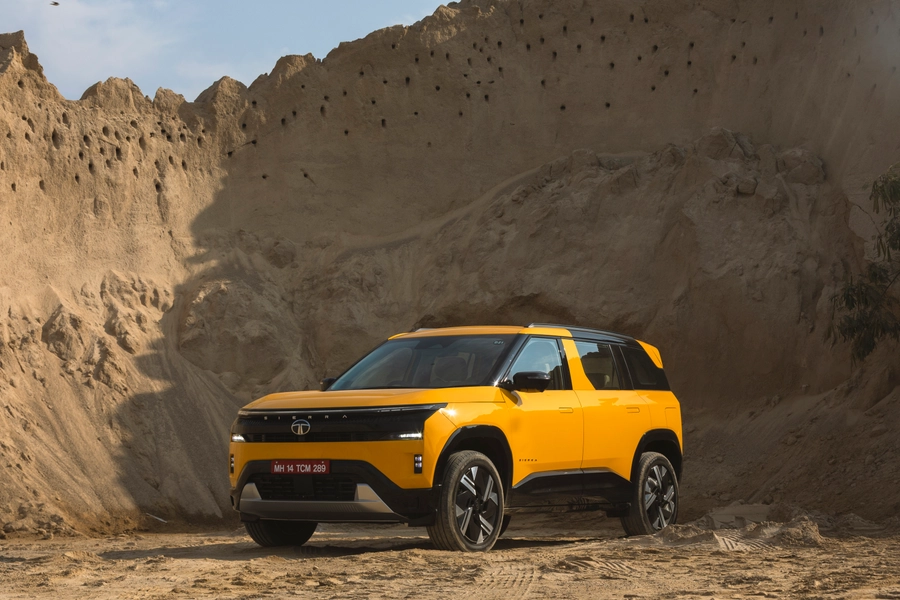
Tata Sierra’s variant strategy is more restrained. Compared to the others, the Sierra offers fewer trims, but each variant is positioned higher in terms of standard equipment. This approach reduces choice but increases perceived value at each price point. However, it also contributes to the Sierra’s higher starting price and narrower accessibility.
Mid Size SUV Comparo – Engine Options and Powertrain Choices
Engine choice is one of the key differentiators in this comparison, and each Mid Size SUV takes a distinct approach.
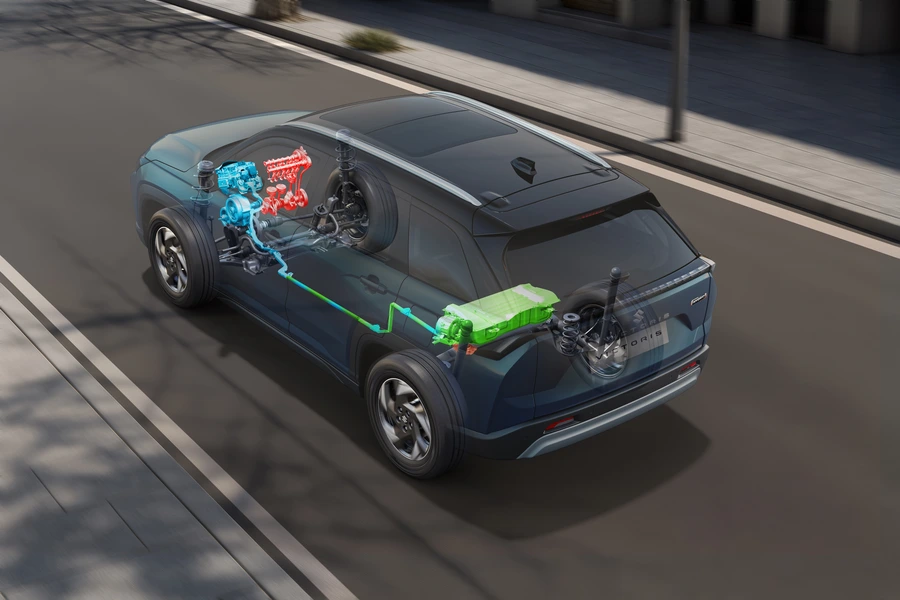
The Maruti Suzuki Victoris offers a 1.5-litre naturally aspirated petrol engine as its core powertrain, paired with manual and automatic transmissions. In addition, it stands out by offering a factory-fitted CNG option, catering to buyers looking for lower fuel costs. The highlight, however, is its strong hybrid petrol variant, which prioritises fuel efficiency and urban drivability. This hybrid system places the Victoris in a unique position within the segment, especially for buyers with high daily usage.
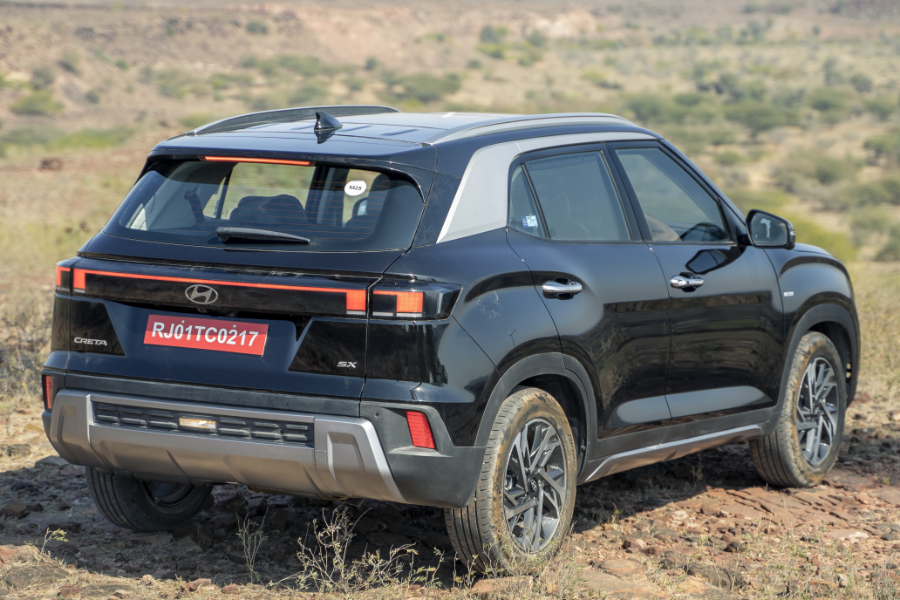
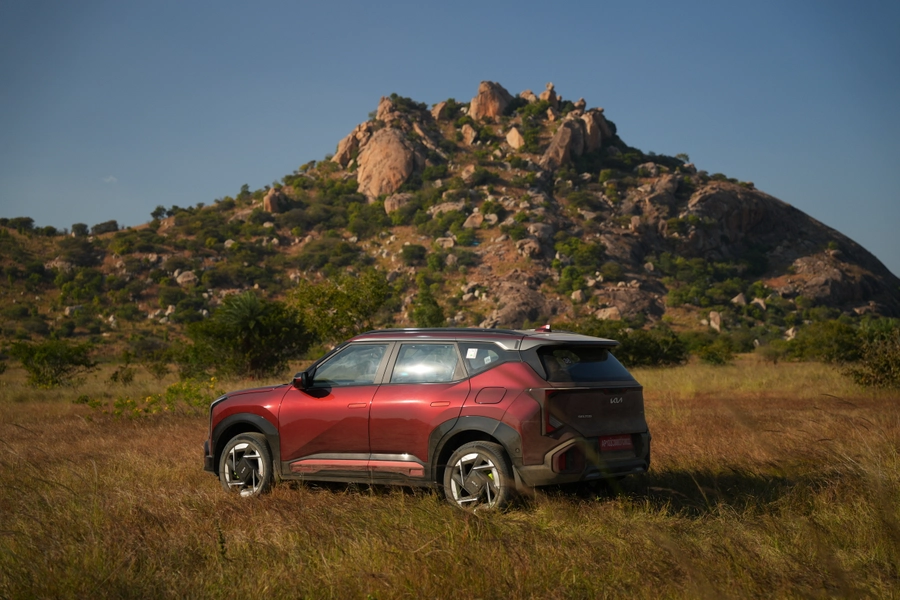
Hyundai Creta and Kia Seltos share a largely similar engine portfolio. Both offer a 1.5-litre naturally aspirated petrol engine for buyers prioritising refinement and ease of use, a more powerful 1.5-litre turbo petrol engine aimed at performance-oriented customers, and a 1.5-litre diesel engine for those seeking torque and long-distance efficiency. Manual and automatic options are available across most configurations, though turbo petrol engines are restricted to automatic gearboxes. The Seltos also has an option of an iMT gearbox with the turbo petrol engine.
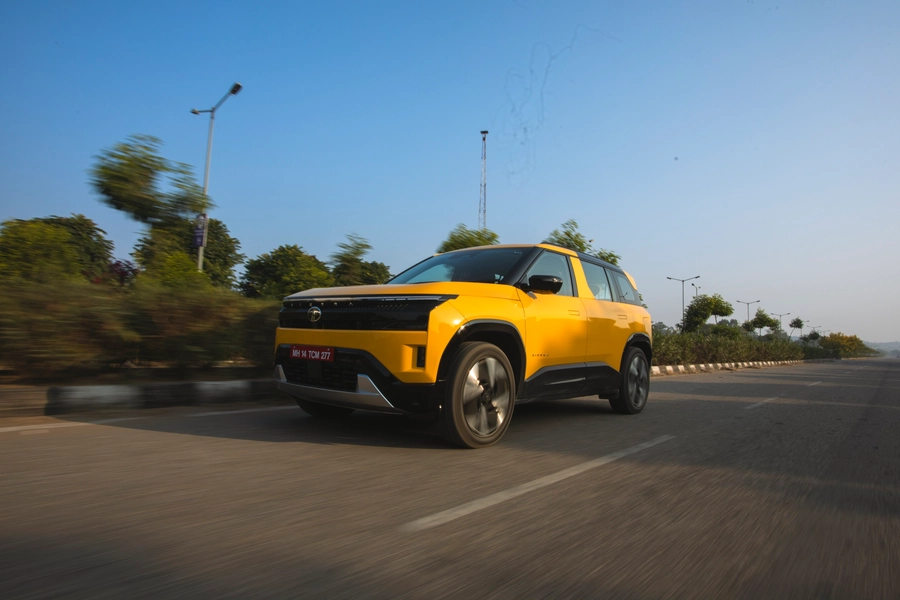
Tata Sierra’s engine line-up includes a naturally aspirated petrol, a turbo petrol and a diesel engine. The diesel option, in particular, is tuned for higher torque output, aligning with Tata’s focus on highway stability and load-carrying capability. Automatic transmissions are offered across petrol and diesel variants, though manual gearboxes remain standard in lower trims and to be noted the turbo petrol is available only with an automatic and no option of a manual transmission.
Mid Size SUV Comparo – Price Differences Across Comparable Variants
When comparing petrol manual base variants, the Victoris undercuts the Creta by approximately ₹20,000 and the Seltos by nearly ₹50,000. The Sierra, in contrast, is about ₹1 lakh more expensive than the Victoris at this level. This makes Victoris the most accessible option for first-time SUV buyers.
In petrol automatic variants, the gap narrows. Creta and Seltos are closely matched, with differences often limited to ₹30,000–₹50,000 depending on the trim. The Seltos however has a lower starting price for the petrol automatic, coming in at 13.39 lakhs ex showroom, with the Creta automatic starting at 13.89 lakhs ex showroom. The Victoris remains competitively priced but its automatic variants tend to sit slightly above the base petrol manual, starting at 13.35 lakhs ex showroom, due to drivetrain costs. Sierra continues to command a premium, particularly in automatic trims. The Sierra DCA with the petrol engine starts at 14.49 lakhs ex showroom.
Turbo petrol variants show a clearer separation. The Kia Seltos often emerges as the most aggressively priced turbo petrol automatic coming in at 15.49 lakhs ex showroom, undercutting the Creta by a modest margin. The Sierra’s turbo petrol variants sit higher starting at 17.99 lakhs ex showroom, while Victoris does not offer a turbocharged option, instead relying on its hybrid to compensate in efficiency rather than outright performance. The Victoris hybrid has a starting point of 16.37 lakhs ex showroom.
A similar pricing structure is visible in the diesel lineup as well. The Hyundai Creta diesel range begins at ₹12.24 lakh ex-showroom, making it the most accessible diesel option in this comparison. The Kia Seltos diesel follows closely at ₹12.59 lakh ex-showroom, positioning itself marginally higher but still within the same pricing band. In contrast, the Tata Sierra diesel range starts at ₹12.99 lakh ex-showroom, placing it at a clear premium over both the Creta and the Seltos, particularly when equipped with automatic transmissions, where the price gap widens further.
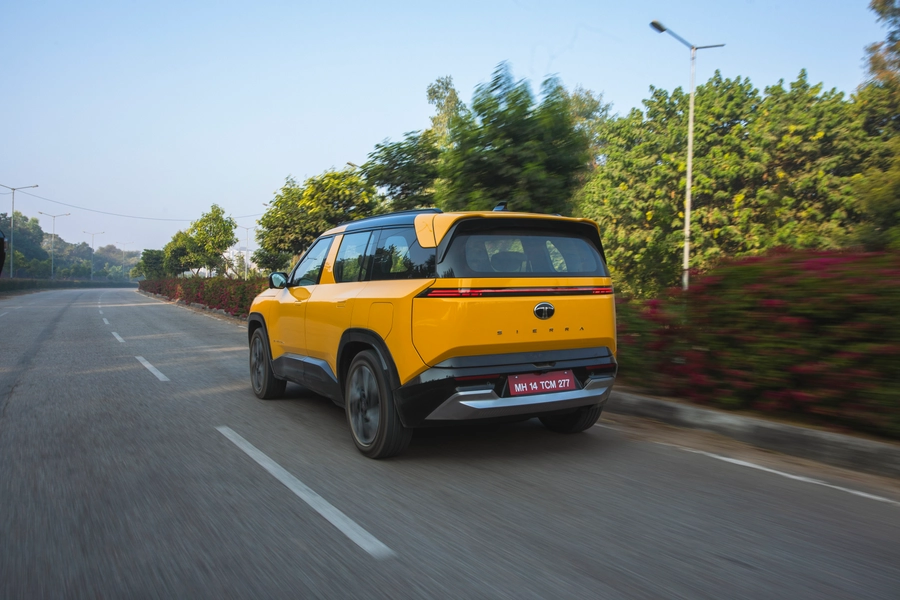
This pricing difference reflects both the Sierra’s equipment level and its positioning as a more robust, highway-oriented Mid Size SUV. The Creta and Seltos, on the other hand, are priced more competitively in diesel form, appealing to buyers who prioritise long-distance efficiency and fuel economy without stepping too far into premium pricing territory. The Maruti Suzuki Victoris does not offer a diesel engine at all, which reduces its relevance for buyers who specifically seek diesel torque and highway efficiency, but also simplifies its product range and allows Maruti to focus instead on petrol, CNG, and hybrid alternatives.
Mid Size SUV Comparo – Which SUV Is the Most Affordable?
Looking purely at entry-level pricing of these Mid Size SUVs, the Maruti Suzuki Victoris is the most affordable Mid Size SUV in this comparison. It offers the lowest starting price and the widest range of fuel options, including CNG and hybrid. Among the more conventional petrol and diesel SUVs, the Hyundai Creta emerges as the most accessible, with a slightly lower base price than the Seltos and a more balanced variant spread.
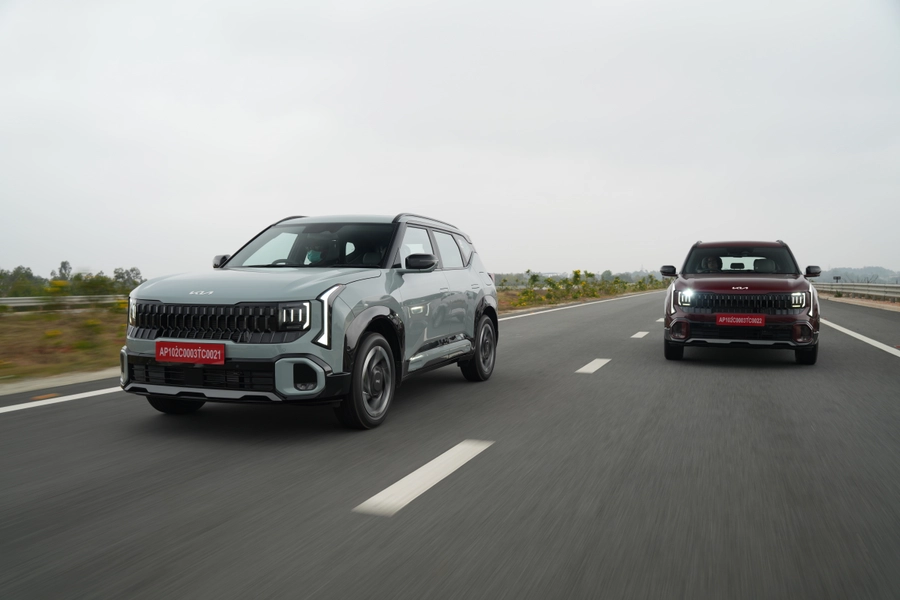
The Kia Seltos sits marginally higher but compensates with stronger turbo petrol pricing and a sportier positioning. Tata Sierra, while offering robust engines and higher standard equipment, remains the most expensive across most comparable variants.
Mid Size SUV Comparo – Verdict
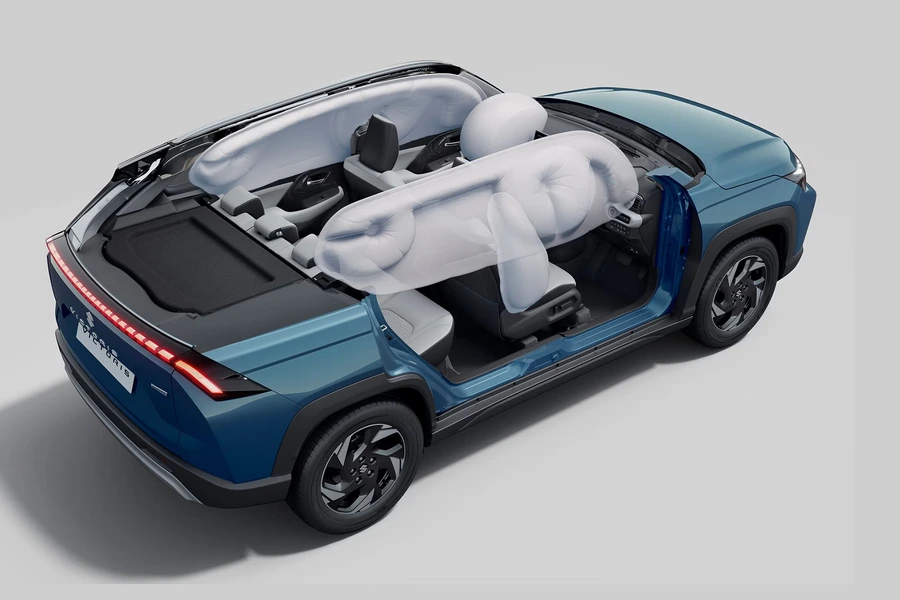
From a pricing and powertrain perspective, each of these Mid Size SUVs caters to a distinct buyer profile, shaped by differences in upfront cost, engine strategy, and overall ownership focus. The Maruti Suzuki Victoris emerges as the clear value leader at the entry level and stands out for its inclusion of hybrid and CNG powertrains, which are unique in this segment. These options make it particularly attractive for cost-conscious buyers and high-mileage users who prioritise low running costs, fuel efficiency, and predictable ownership expenses over outright performance. Its lower starting price further strengthens its position as the most accessible and cost-efficient option for buyers entering the mid-size SUV segment for the first time.
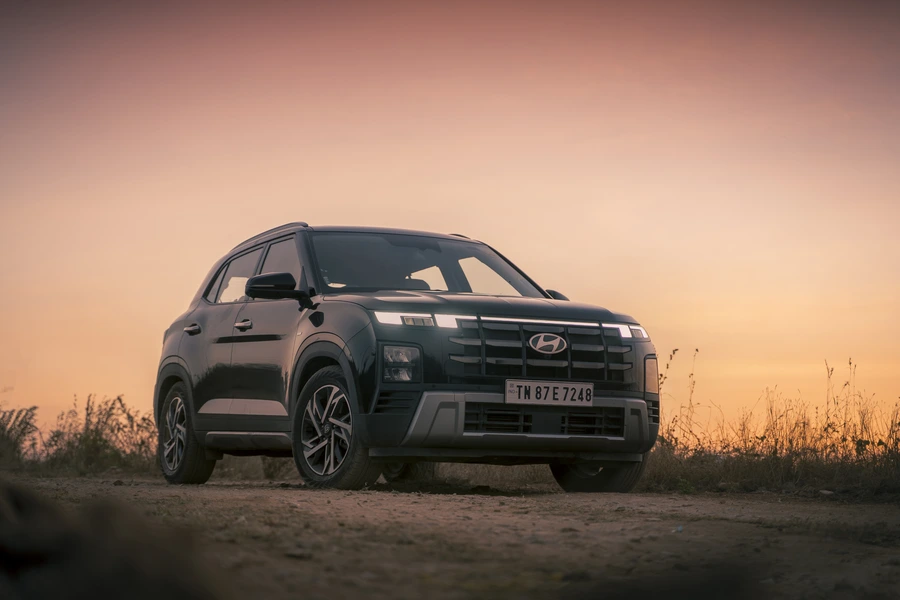
The Hyundai Creta continues to justify its long-standing popularity by offering a well-balanced combination of competitive pricing, a broad range of engine choices, and a carefully structured variant line-up. With petrol, turbo petrol, and diesel engines, along with multiple manual and automatic transmission options, the Creta is able to serve a wide spectrum of buyers, from urban commuters to frequent highway users. Its variants are spaced in a way that allows buyers to move up the range without sharp increases in cost, reinforcing its reputation as a safe, rational, and versatile choice.
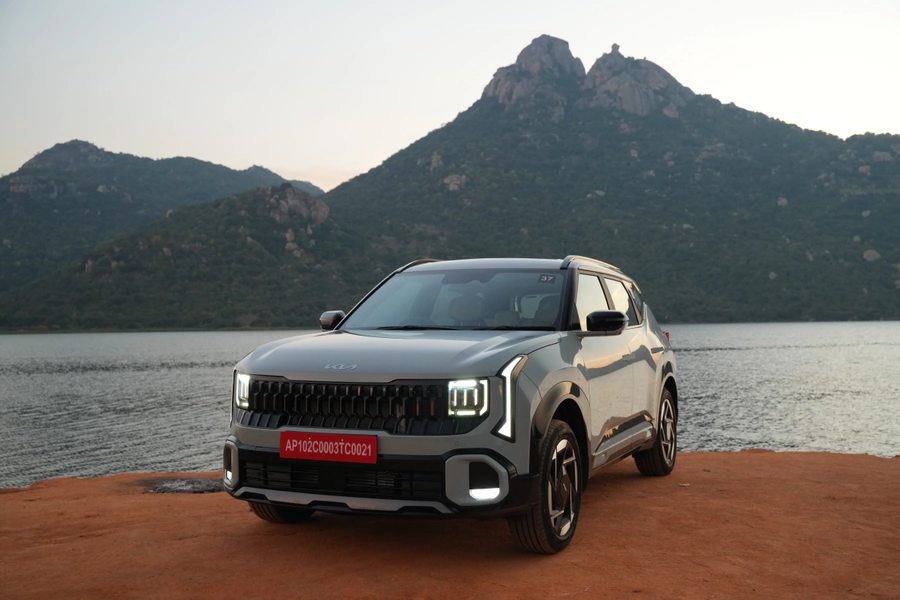
The Kia Seltos appeals more directly to buyers who place greater emphasis on performance, driving engagement, and a slightly sportier character. Its turbo petrol options, combined with dual-clutch automatic and iMT transmissions, give it a more dynamic edge within the segment, while its pricing remains sufficiently restrained to avoid moving into clearly premium territory. This makes the Seltos particularly attractive to buyers who want stronger acceleration and a more engaging driving experience but still want to remain within the mainstream Mid Size SUV price band.
The Tata Sierra, meanwhile, positions itself as a more expensive but solid and deliberately premium Mid Size SUV within this group. Its higher starting price, stronger diesel tuning, and higher baseline of standard equipment signal a focus on buyers who value a robust feel, highway stability, and a richer feature set, and who are willing to pay extra for these attributes. While it is not the most affordable option, it appeals to a more specific customer profile that prioritises perceived durability, comfort, and equipment over outright value or entry-level affordability.

Together, these differences ensure that the Mid Size SUV segment is no longer defined by a single benchmark model, but by a range of products that cater to different priorities, budgets, and usage patterns, allowing buyers to select an SUV that aligns closely with their individual needs and expectations. In a segment where margins matter, these differences in pricing and engine strategy ultimately define where each SUV stands.
Pingback: Mahindra Thar Roxx Star Edition Launched at Rs 16.85 lakhs: What’s Changed Over the Standard Model - Shutterdrives