
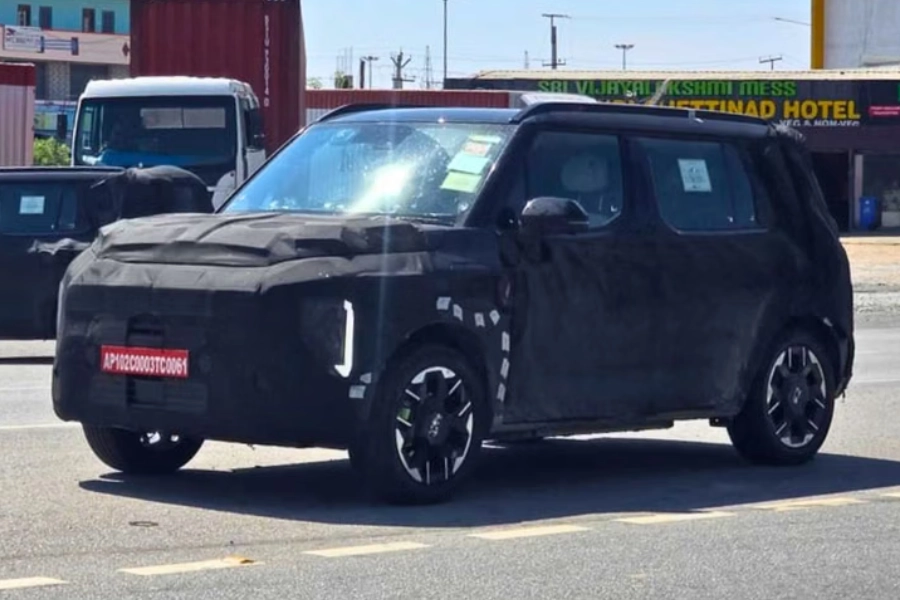
Kia India is preparing to expand its electric portfolio with the upcoming Kia Syros EV, which has now been spied testing in India under heavy camouflage. The test mule indicates that the car in under the stages of development, with a launch expected later this year. Once introduced, the Syros EV is likely to become the brand’s most affordable electric vehicle in the country. It is expected to be built on the Hyundai Group’s K1 platform, which it shares with the globally sold Hyundai Inster EV.
At present, Kia’s electric portfolio in India includes the Kia Carens Clavis EV, followed by the Kia EV6 and the flagship Kia EV9. The Syros EV will sit below these models in terms of pricing and positioning. It will serve as an entry point into Kia’s electric range. The most recent launch from Kia in 2026 was the new generation Seltos, and the Syros EV is expected to further strengthen the brand’s presence in the mass market electric vehicle segment.
Kia Syros EV – Expected Exterior Design
Although the test vehicle was heavily camouflaged, several design elements were visible. The overall silhouette appears very similar to the internal combustion version of the Syros. The upright stance and boxy proportions have been retained. The distinctive kink around the window line is also noticeable, suggesting that Kia has maintained design continuity between the petrol and electric versions.

One of the key indicators confirming that this is an electric vehicle is the presence of a charging port mounted on the front fender. This differentiates it from the internal combustion model. The spy images also reveal LED headlamps along with a visible daytime running light signature through the camouflage, similar to what is seen on the ICE version. The Syros EV appears to ride on 17 inch alloy wheels that look similar to those offered on the standard model.
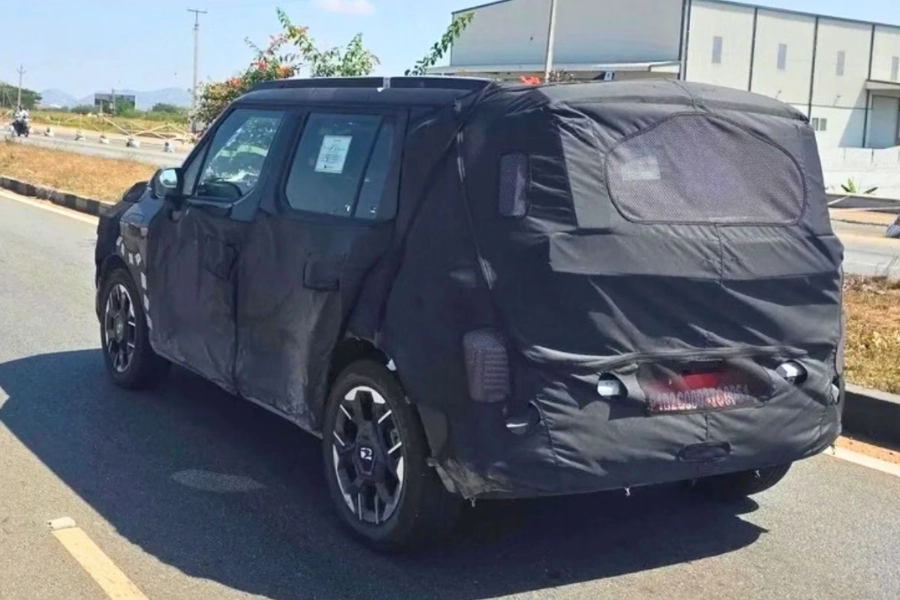
Another important observation is the presence of what appears to be an ADAS module mounted on the vehicle. This suggests that the Syros EV could be equipped with advanced driver assistance systems. However, it is important to note that all these details can only be confirmed officially at the time of launch.
Kia Syros EV – Expected Interior and Features
The spy shots did not reveal the cabin of the Kia Syros EV. However, it is expected to closely mirror the layout and features of the internal combustion Syros. The regular model offers a dual 12.3 inch screen setup, with one screen serving as the digital instrument cluster and the other functioning as the infotainment touchscreen. A similar arrangement is likely to be carried over to the electric version.
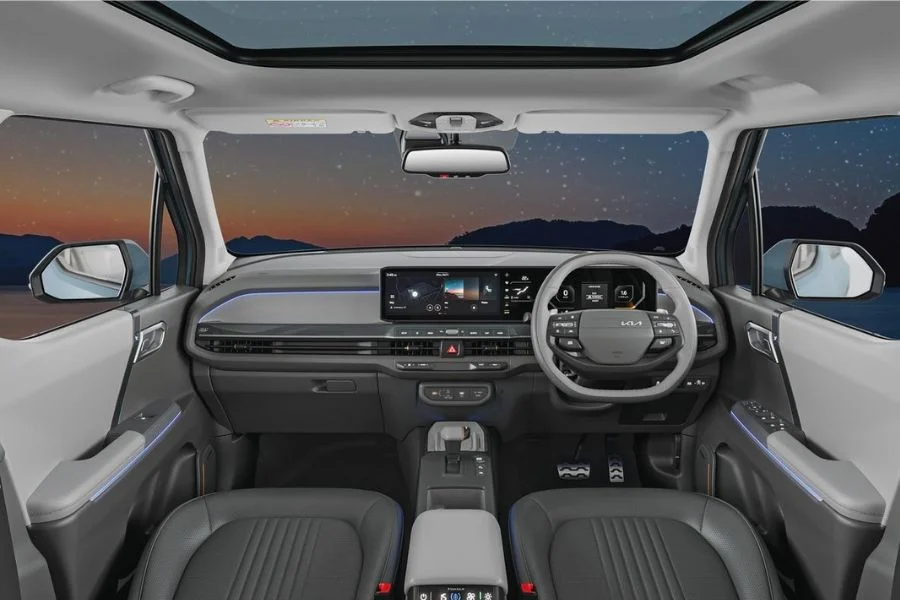
Other expected features include a touch based climate control panel, a panoramic sunroof, a wireless phone charger, and ventilated seats for both front and rear passengers. The vehicle is also likely to offer connected car technology along with wireless Apple CarPlay and Android Auto. Multiple Type C charging ports are also expected to be part of the equipment list.
Kia Syros EV – Expected Safety Features
As noted earlier, the visible ADAS module suggests that the Kia Syros EV may offer advanced driver assistance features. In addition, the standard Syros comes equipped with features such as a 360 degree camera and six airbags. These features are expected to be carried over to the electric version as well. The internal combustion Syros has achieved a five star rating under Bharat NCAP. While official crash test results for the electric version will only be available when the car is launched and tested, similar structural performance can be anticipated.

Kia Syros EV- Expected Battery Pack and Range
The Syros EV is expected to share its underpinnings with the Hyundai Inster EV, which is based on the K1 platform. The Inster EV is offered globally with 42 kWh and 49 kWh battery pack options, delivering a claimed maximum range of up to 369 kilometres. Although Kia has not confirmed specifications, similar battery configurations may be offered on the Syros EV. A front wheel drive setup is expected.
Upon launch, the Kia Syros EV could be priced between Rs 11 lakh and Rs 16 lakh. It is likely to compete with models such as the Tata Nexon EV, the Mahindra XUV 3XO EV, and the MG Windsor EV. With this model, Kia aims to strengthen its foothold in the growing entry level electric vehicle segment in India.
Spy Image Credit: RasacL on Reddit
Pingback: hello world