
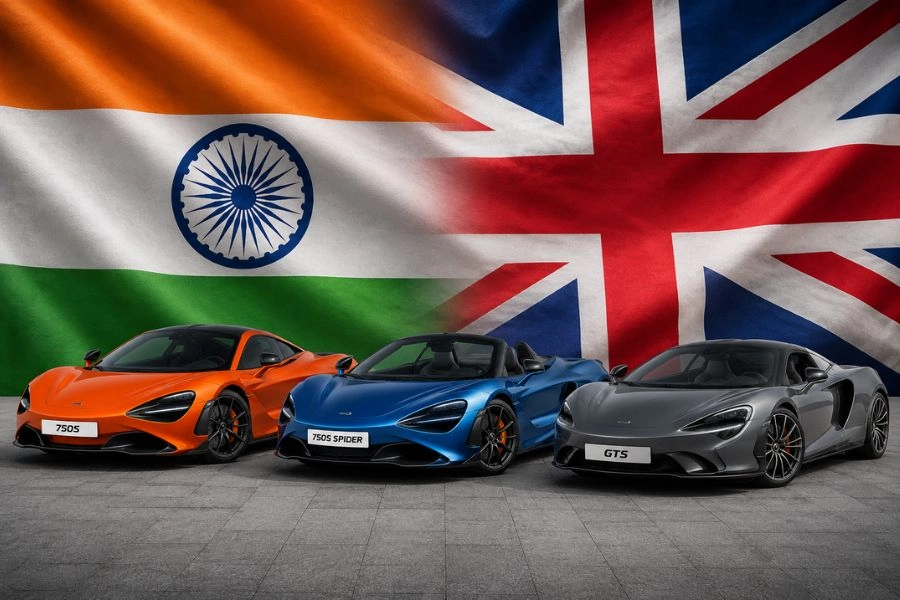
British supercar maker McLaren is preparing a significant price correction in India, with reductions of up to 38 percent across its current range. The move positions the brand as the second firm to factor in expected duty relief under the India UK trade agreement after JLR, even before it formally comes into effect. While the company has not officially confirmed the revised figures, industry sources indicate a sharp realignment aimed at improving competitiveness in the luxury performance segment.
McLaren price revision in India
According to the available details, McLaren is recalibrating prices across its core models to reflect the anticipated reduction in import duties. The scale of the cut is notably higher than what has been seen from other luxury manufacturers so far. This suggests a proactive strategy that prioritises market expansion and improved accessibility for high net worth buyers in India.
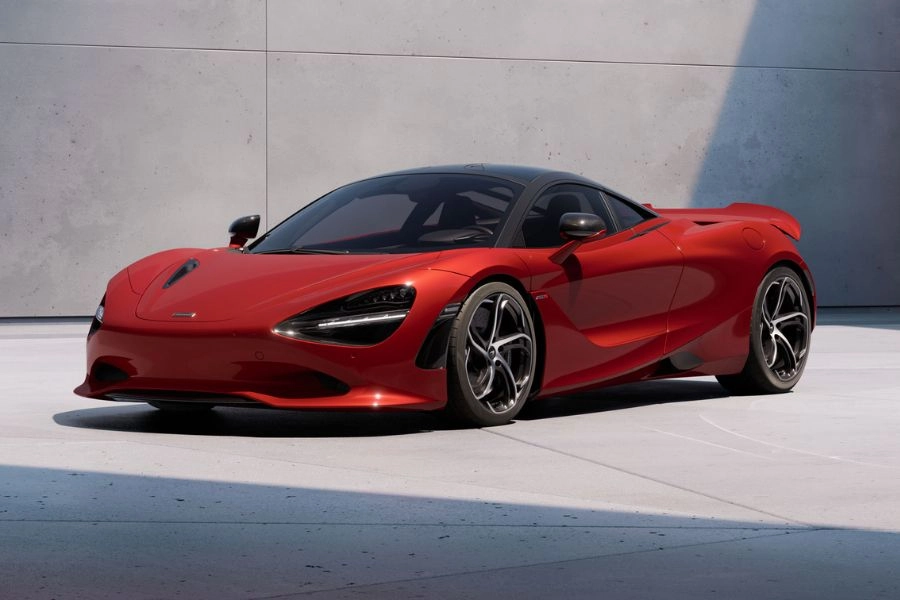
The revisions also indicate confidence in the upcoming policy framework. By adjusting prices in advance, the brand appears to be positioning itself to benefit immediately once the agreement is implemented and demand begins to respond to the lower cost of entry.
McLaren models and new prices
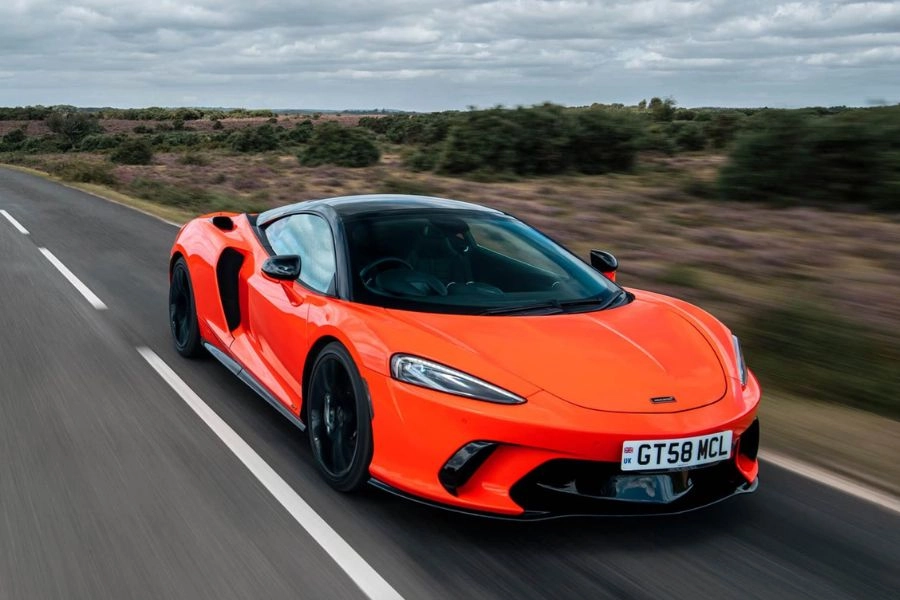
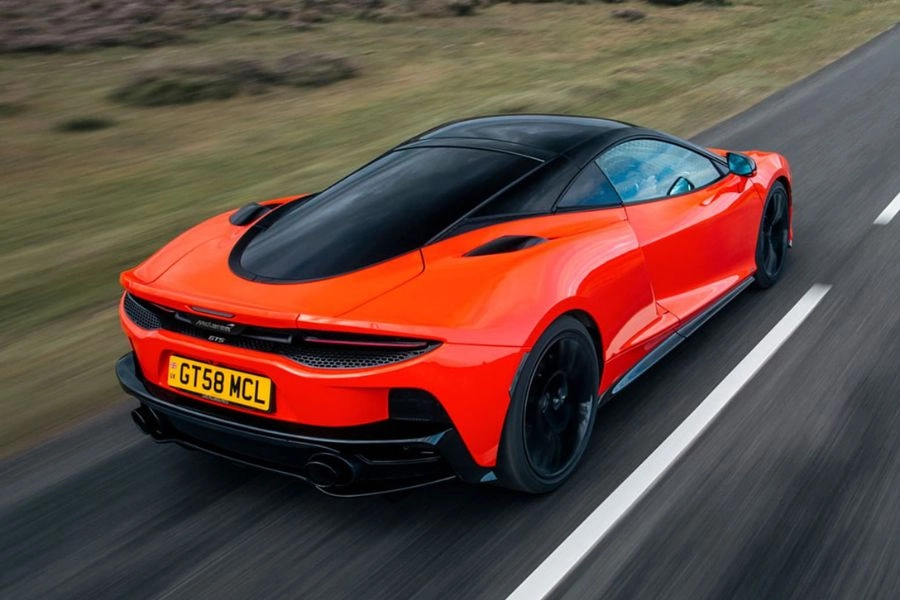
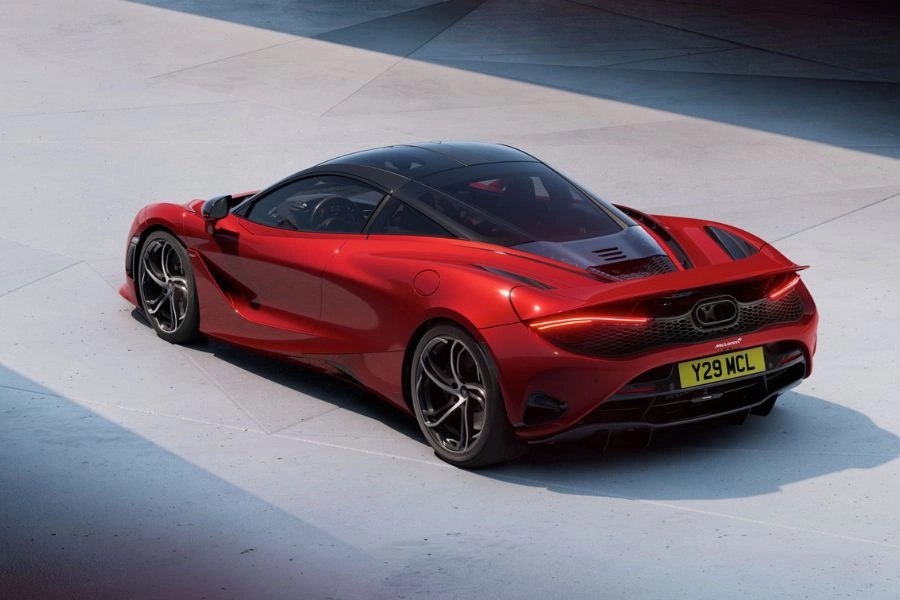
The revised pricing structure highlights substantial reductions across the lineup. The 750S Coupe is expected to be priced at ₹4.94 crore, down from approximately ₹7.94 crore. The 750S Spider is likely to see its price fall to ₹5.46 crore from ₹8.78 crore. Meanwhile, the GTS is set to be positioned at ₹3.83 crore, compared to its earlier price of ₹6.15 crore.
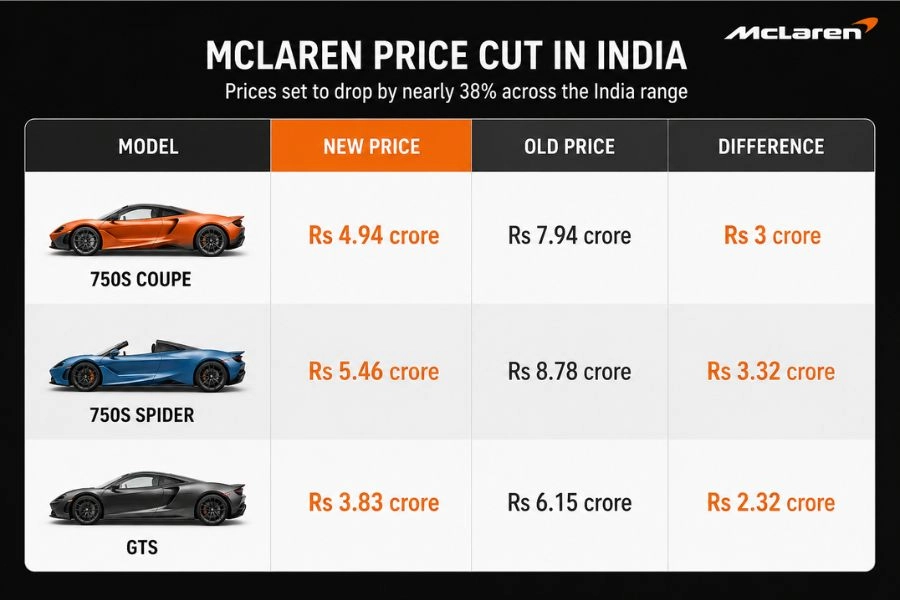
These changes represent cuts ranging from ₹2.32 crore to ₹3.32 crore depending on the model. McLaren is therefore introducing one of the most aggressive pricing corrections seen in the segment, especially when compared to recent revisions by other manufacturers.
McLaren and free trade agreement impact
The expected reduction in prices is linked to the India UK Comprehensive Economic and Trade Agreement. Under this framework, customs duties on UK built petrol cars above 3,000cc and diesel cars above 2,500cc are set to fall from 110 percent to 30 percent in the first year. This rate will gradually decline to 10 percent by the fifth year, subject to an annual import quota.
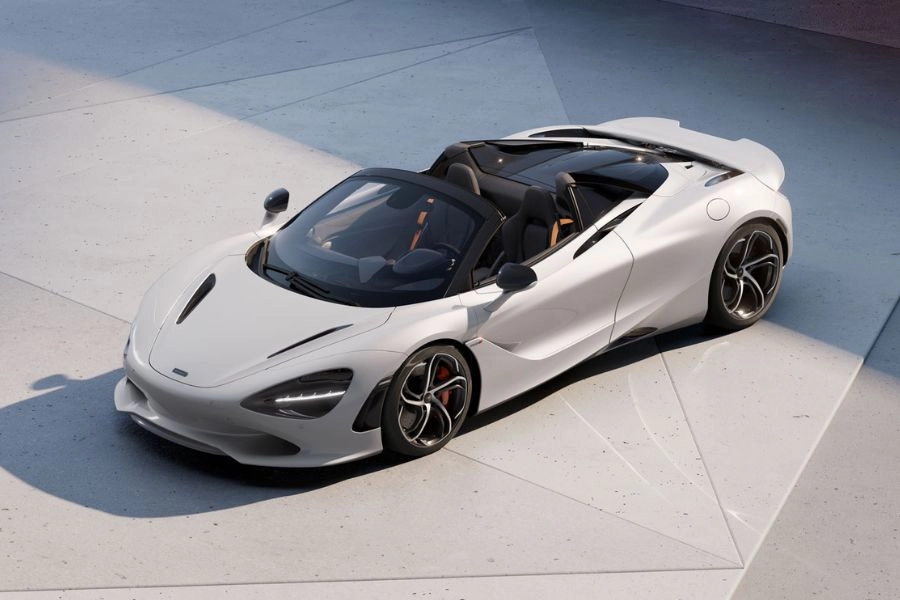
Both the 750S siblings and GTS are powered by a 4.0 litre twin turbocharged V8 engine, placing them within the highest duty bracket that stands to benefit from this policy change. McLaren is therefore directly aligned with the segment that gains the most from the proposed duty cuts.
The GTS is powered by a 4.0 litre twin turbocharged V8 that produces 626 horsepower and 630 Nm, enabling a 0 to 60 mph sprint in 3.1 seconds and a top speed of 203 mph. The 750S twins use a 4.0 litre twin turbocharged V8 that delivers 740 bhp and 800 Nm, paired with a 7 speed dual clutch transmission, allowing 0 to 100 km per hour in just 2.8 seconds.
However, the agreement is yet to be implemented. Although it was signed on 24 July 2025, the rollout has been delayed due to ongoing discussions between Indian and UK authorities on specific provisions such as steel safeguards. The revised pricing strategy indicates that manufacturers are already factoring in the future benefits, even though the official ratification process is still pending.
McLaren India presence and outlook
McLaren entered the Indian market in 2021 and established its first showroom in Mumbai in late 2022 through its importer Infinity Cars. By early 2025, the company had delivered around 50 vehicles in the country. The brand remains a niche player, but the latest pricing shift could significantly improve its appeal among buyers considering high performance imports.
Other British luxury brands such as Bentley, Rolls Royce and Aston Martin are also eligible for similar duty benefits under the agreement. However, none of them has announced price reductions so far. This gives McLaren an early mover advantage in aligning its pricing with expected policy changes.
The broader impact of the agreement is expected to reshape the luxury car market in India, especially in the high displacement segment. With lower duties and a defined import quota, brands will need to balance volume with exclusivity while adapting to a more competitive pricing environment.