
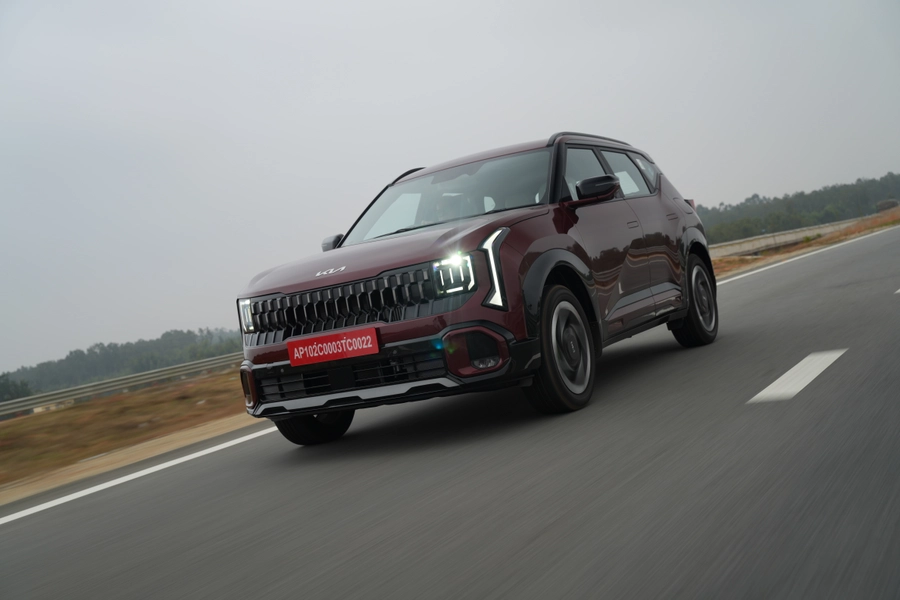
In the last eight years, four global automotive giants have closed the curtain on their India operations and sales. At the same time, we’ve seen the arrival of several new brands, many of which failed to leave any real impact on the market in terms of sales figures and an emotional impact on the customer. Together, this only reinforces one simple truth: cracking the Indian automotive market is far tougher than it looks, and success here demands far more than just a global badge or a competitive price tag.
For decades, global automotive players have viewed and, in some cases continue to view India as an evolving, price-sensitive market dominated by the “small” and “cheap” car. One global manufacturer, however, chose to think differently. In 2019, they took a giant leap of faith by launching a mid-size SUV loaded with features and technology, betting that Indian buyers were ready for more. That bet paid off. Big time.
The car went on to sell over 560,000 units in just six years. By now, you’ve probably figured out that the car I’m talking about is the Kia Seltos. These numbers clearly highlight just how crucial the Seltos has been for Kia India not just as a product, but as the cornerstone that shaped the brand’s image and influenced customer perception across Kia’s entire lineup.
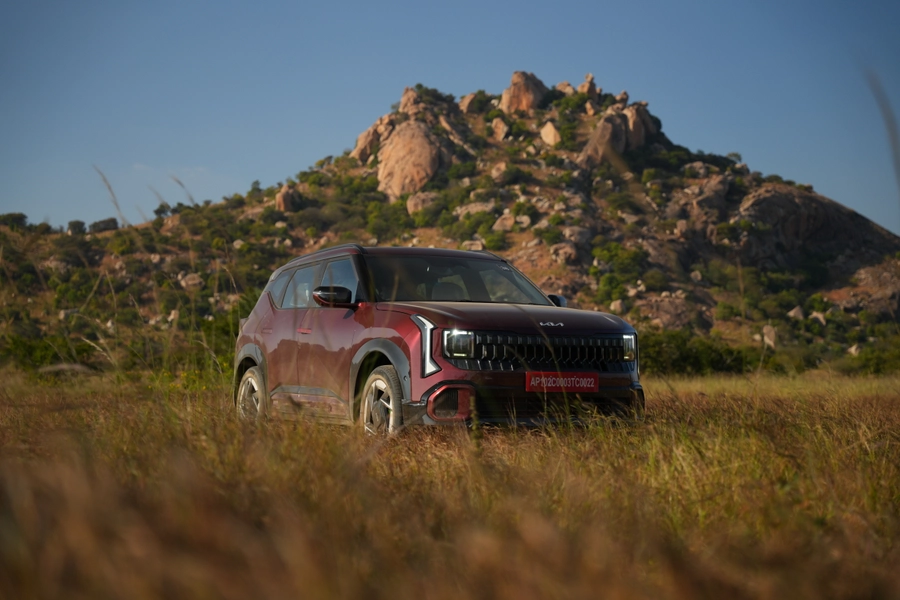
Six years later, Kia has decided to give its blue-eyed boy a complete makeover, ushering in an all-new generation that will play a defining role in shaping the brand’s future in India. So, what’s changed and does the new Seltos still have what it takes? Let’s find out.
2nd Gen Kia Seltos – Exterior Design
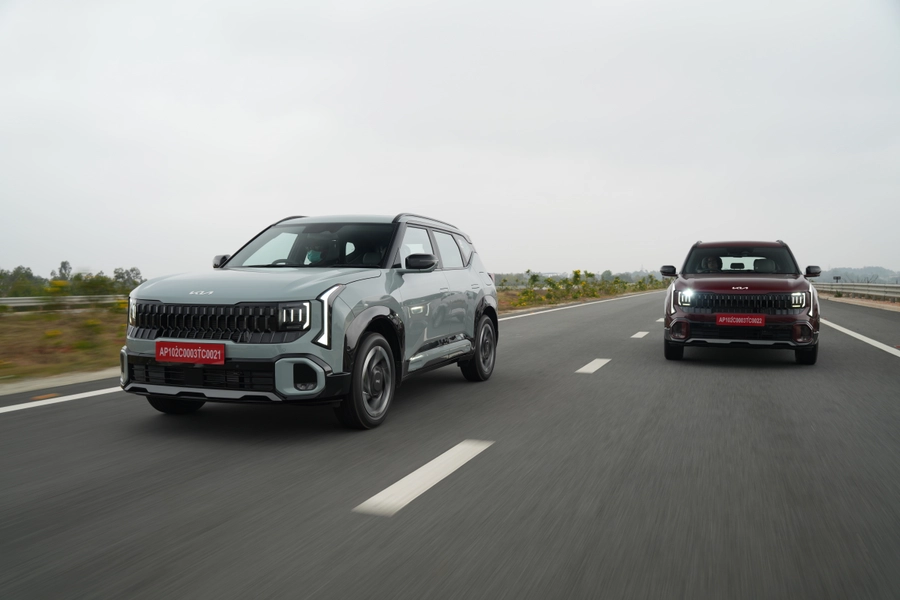
Start with the design and it is immediately clear that Kia has avoided a “playing it safe” design approach, and that decision works in the Seltos’ favour. This is not an evolution or a mild redesign. The new generation Seltos is a full reinvention. Park it next to the outgoing model and the resemblance is almost non-existent. The softer, more rounded surfaces of the old car are gone, replaced by a bolder, more upright and far more imposing design.
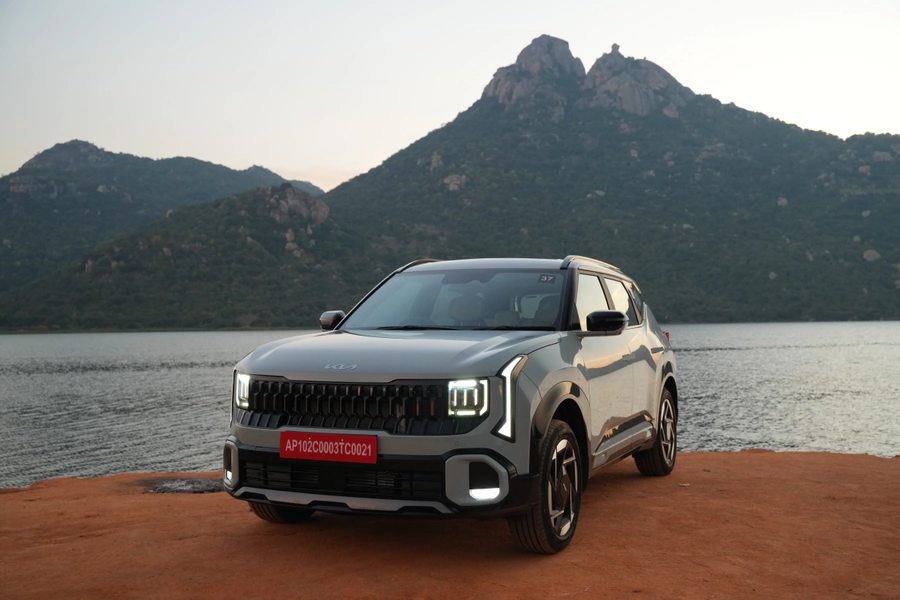
The front end sets the tone for the entire redesign. The grille is taller and squarer, finished with intricate vertical gunmetal elements that give the Seltos a much more serious face. Boxy LED headlamps sit on either side, with the vertical DRLs extending outward features a distinctive lightning bolt style signature. Combined with the wider stance, the Seltos looks closer in design to Kia’s larger global SUVs like the Telluride. The new Seltos feels like a scaled down global SUV.
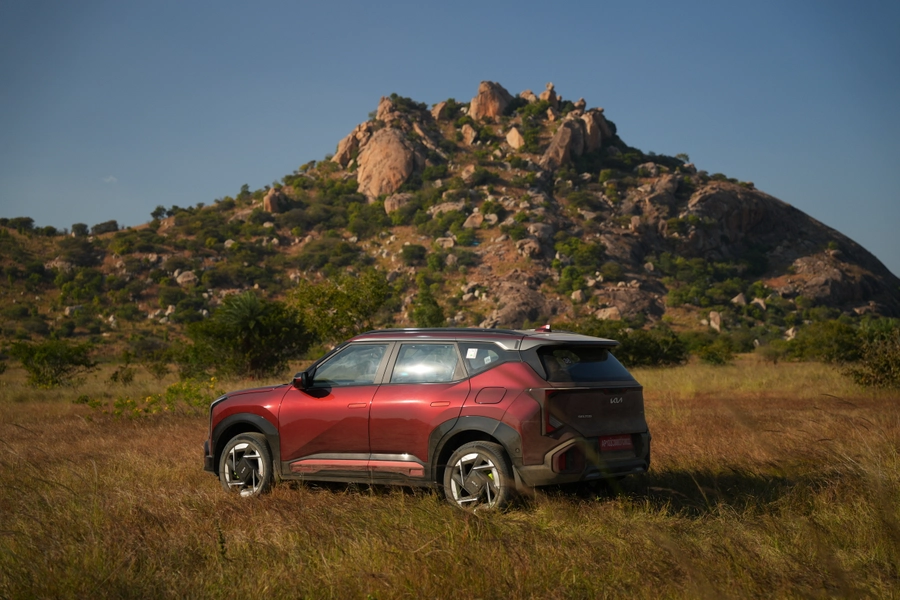
From the side, the change in proportions becomes clearer. The new Seltos has grown by 95 mm in length and 30 mm in width and now measures 4,460 mm long, 1,830 mm wide and 1,635 mm tall. The wheelbase has been stretched to 2,690 mm, which is an 80 mm increase, and this visually gives the car a more planted stance while also promising gains in interior space, which we will get to later. The stronger shoulder line, more upright profile and chunkier cladding reinforce the sense that this is a more substantial SUV than before, moving away from a crossover look to something more solid and confident.
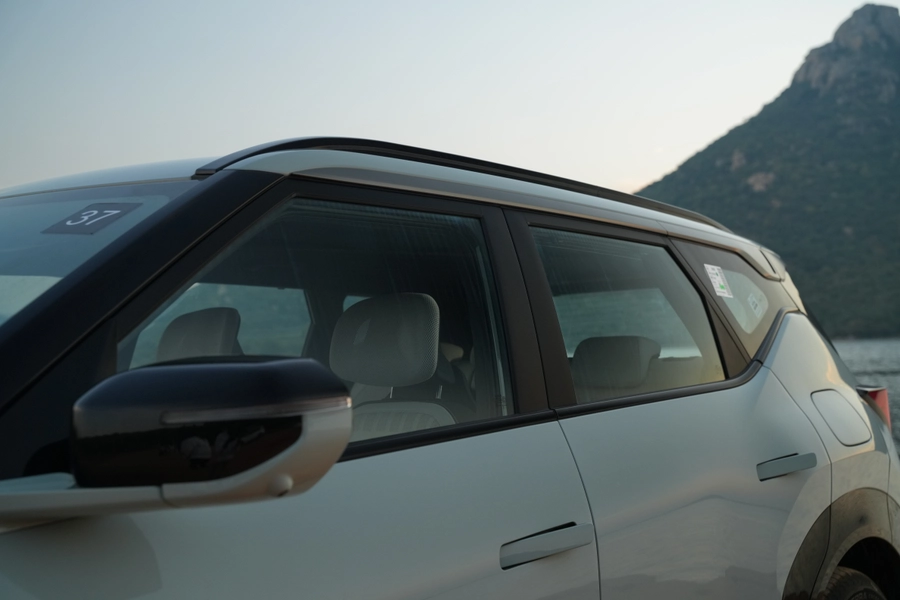
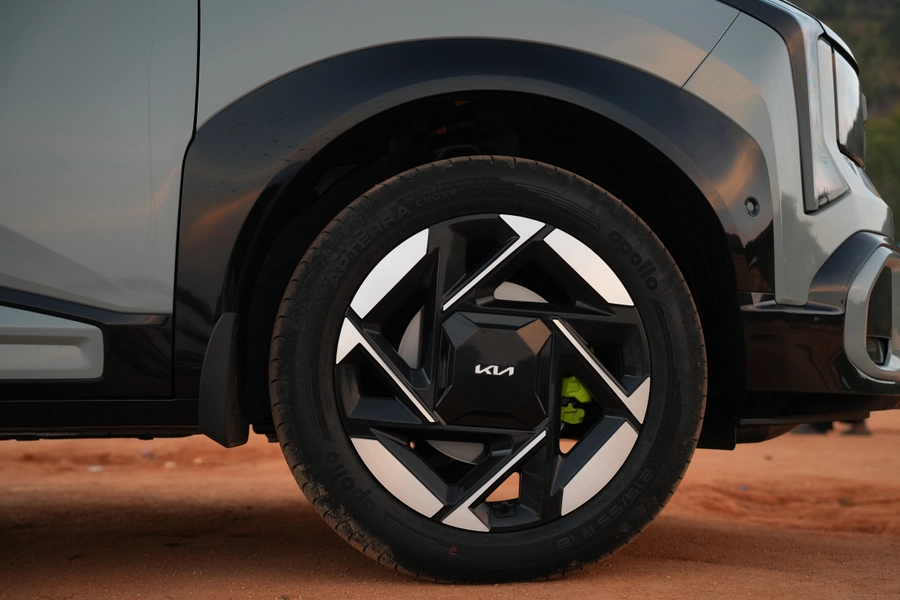
Kia has also increased the ground clearance to 200 mm, a figure that places it right in the thick of the segment and signals a more SUV first approach, though we will come back to how that translates in the real world later. That said, not every design decision lands perfectly. On a few variants, Kia has added neon coloured brake callipers, which feels like pushing things a bit too far. I have always welcomed newer and bolder design ideas, but neon callipers on a family SUV come across as more gimmicky than tasteful.
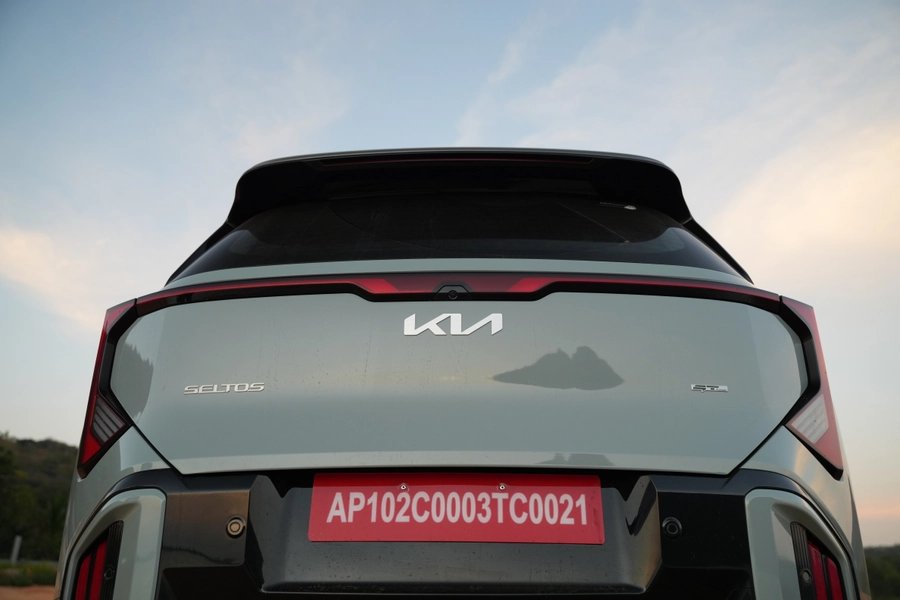
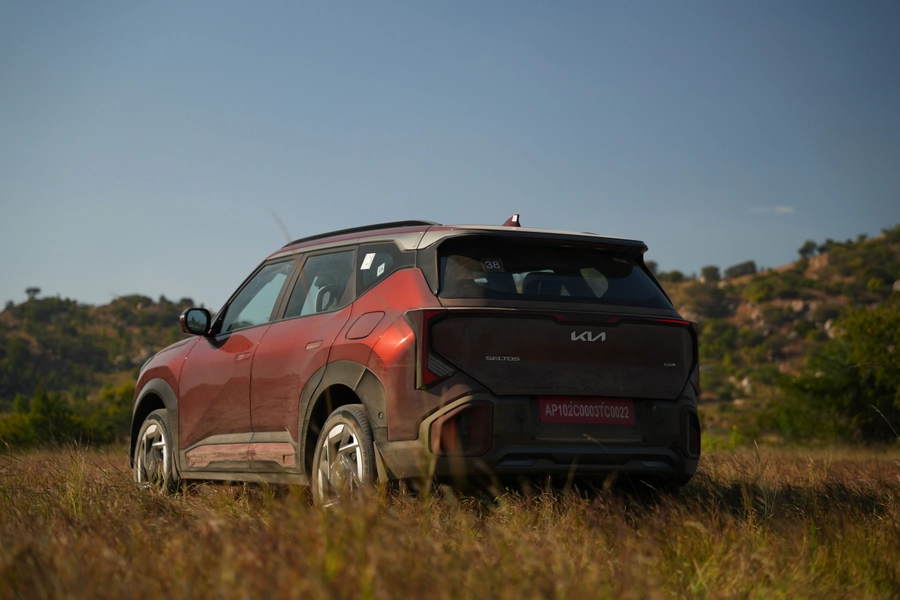
At the rear, the transformation is completed convincingly. The number plate has been repositioned lower onto the bumper, which cleans up the tailgate and makes the overall design look neater. The standout element, though, is the new inverted L themed LED lighting signature that stretches across the width of the rear, giving the Seltos a wider stance. Combined with the revised tailgate and cleaner bumper treatment, it brings the Seltos in line with Kia’s latest global design direction.
2nd Gen Kia Seltos – Interior Design
Once you’re inside it is obvious that the biggest leap forward has happened inside. The cabin no longer feels like an upgrade of the old Seltos but a clean break from it, with a layout that is more contemporary, more premium and far more tech focused.
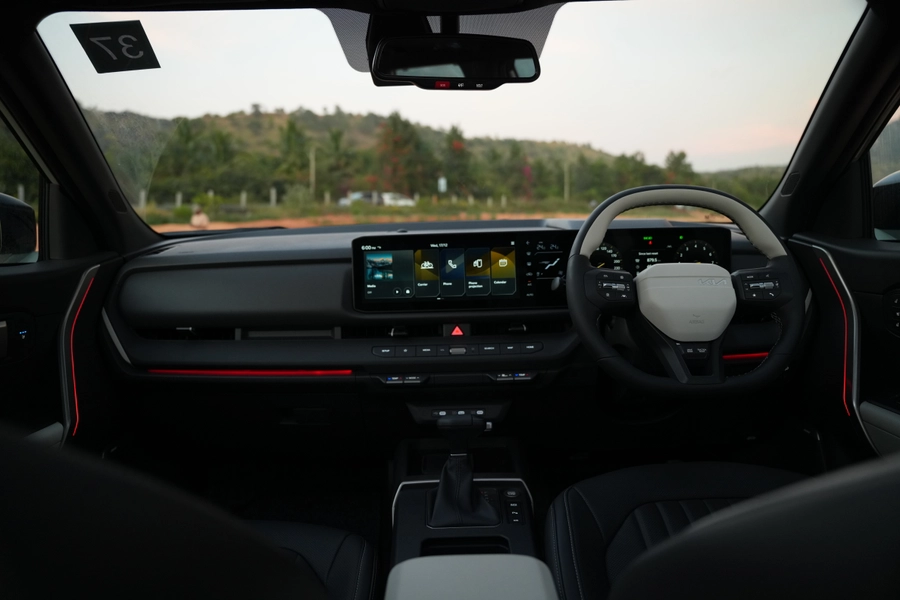
The dashboard adopts a layered design dominated by a wide digital layout. A 12.3 inch touchscreen handles infotainment duties, a matching 12.3 inch screen sits behind the steering wheel for instrumentation, and a separate 5.0 inch display manages climate controls. Even with this strong digital presence, Kia has resisted the temptation to go fully touch dependent, retaining physical buttons and knobs for key functions, which is something I genuinely appreciate. At a time when many manufacturers are deleting buttons altogether, having tactile controls you can operate without taking your eyes off the road still matters.
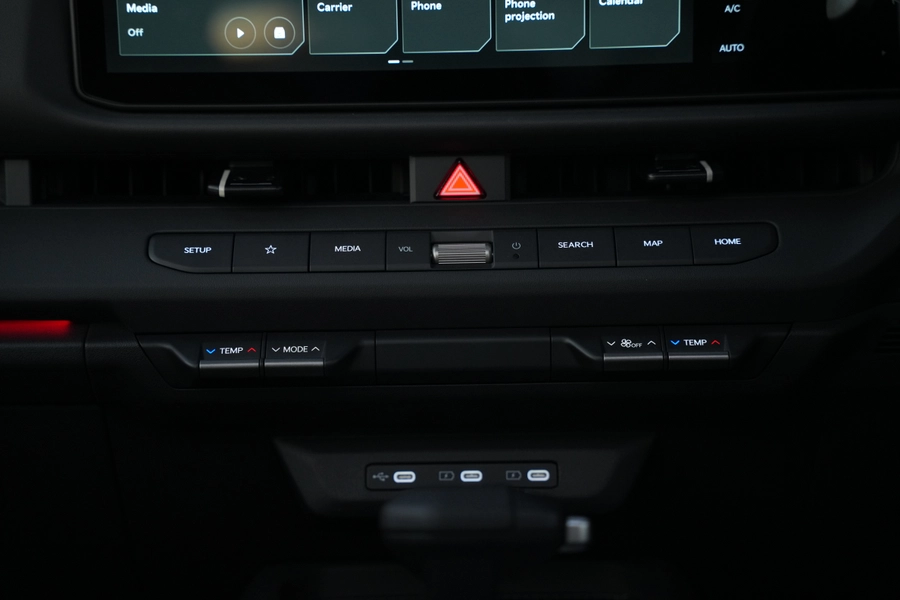
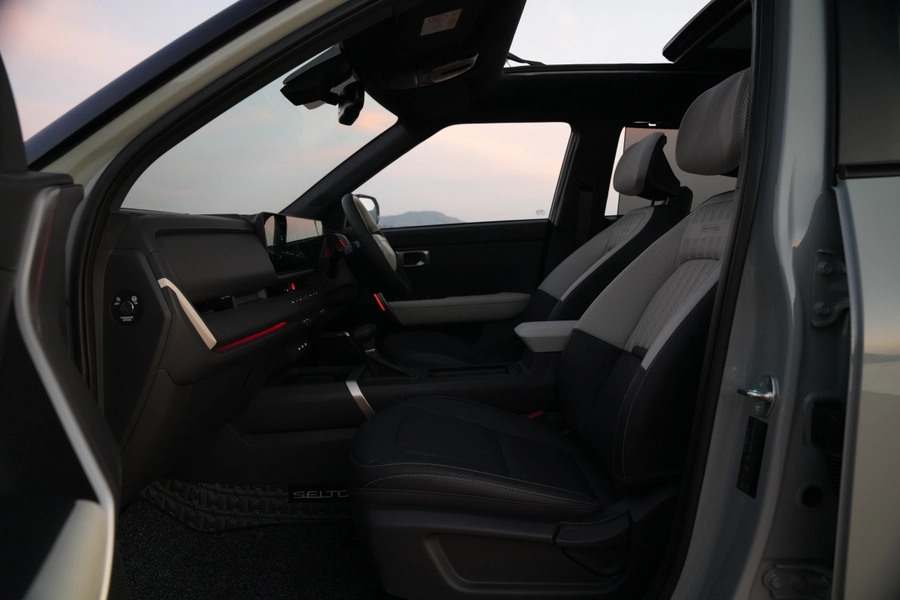
There is a clear improvement in perceived quality as well. The steering wheel is completely new, moving to a three spoke design and incorporating drive and traction mode selectors. On higher trims, the feature list is long and genuinely impressive, with ventilated front seats, a panoramic sunroof, wireless phone charging, wireless Apple CarPlay and Android Auto, a powered driver’s seat with memory, rear sunshades, dual tone upholstery, a 360-degree camera, an eight speaker Bose sound system, 64 colour ambient lighting, over the air updates, connected car tech and Level 2 ADAS.
2nd Gen Kia Seltos – Comfort and Handling
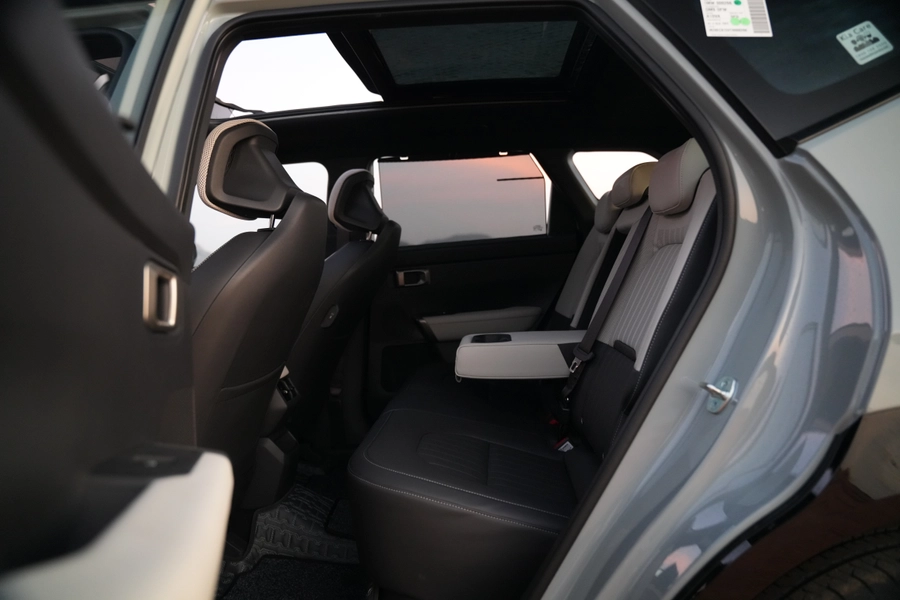
The increase in dimensions has had a clear and positive impact on cabin comfort in the second-generation Seltos. With the longer wheelbase and wider body, occupants benefit from noticeably improved legroom and shoulder room, and an overall airier feel, especially in the second row. Rear-seat passengers will find it far more accommodating on longer journeys, with better under-thigh support and ample knee room ensuring a relaxed seating posture. Comfort has also been enhanced by revised seat cushioning that now feels plusher and more supportive, striking a better balance between softness and long-distance comfort.
The suspension setup on the new Seltos is a clear step forward over the older model and feels noticeably more polished in everyday driving. The new setup offers a nice balance between comfort and control. At city speeds, while there is still a hint of firmness over sharp bumps, the overall ride feels more settled and less nervous than before. As speeds rise, the improvements become more evident, with the SUV staying planted and composed even on uneven surfaces.
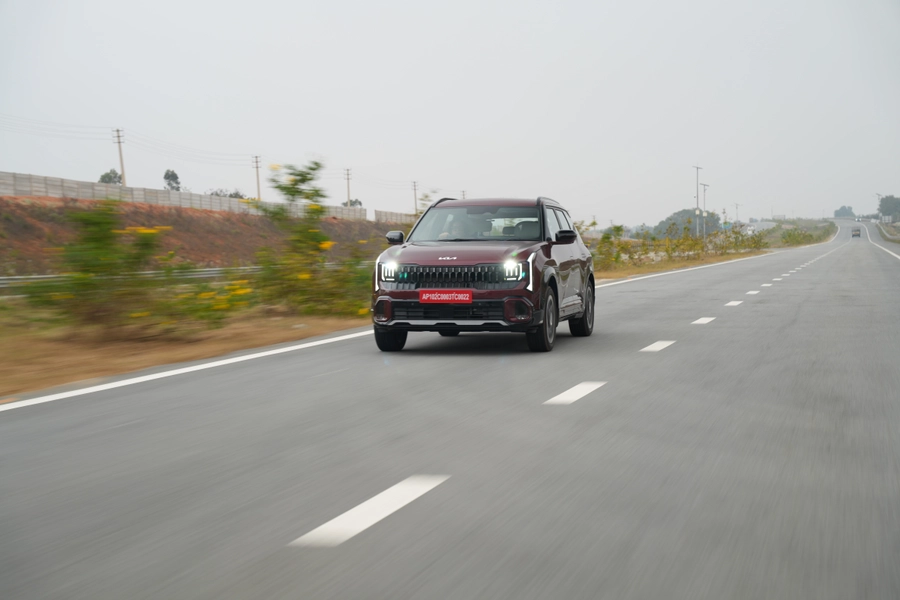
Out on the highway, the Seltos inspires confidence. It handles long undulations and broken patches with maturity, rarely feeling unsettled, and remains stable even with the larger 18-inch wheels. Through corners, body movements are well controlled and the suspension works in harmony with the chassis to deliver predictable handling. Overall, the updated suspension makes the new Seltos feel more comfortable, more stable, and better-rounded than its predecessor, especially for long-distance driving.
2nd Gen Kia Seltos – Engine options
The updated Seltos continues with the familiar engine lineup, and the good news is that refinement remains a strong suit across the range. Buyers can choose from a 1.5-litre naturally aspirated petrol, a 1.5-litre turbo-petrol, and a 1.5-litre diesel, all carrying forward the same output figures as before but benefiting from improved calibration and emission compliance updates.
2nd Gen Kia Seltos – Performance
I drove the turbo-petrol paired with the 7-speed dual-clutch automatic, and it stands out as the most engaging option. Power delivery is smooth yet eager, building speed in a clean, linear manner. Switch to Sport mode and the engine feels noticeably more responsive, while the gearbox’s quick downshifts add a layer of excitement. Around town, the DCT can feel slightly hesitant at crawling speeds, but once on the move, it feels slick and well-matched to the engine’s character.
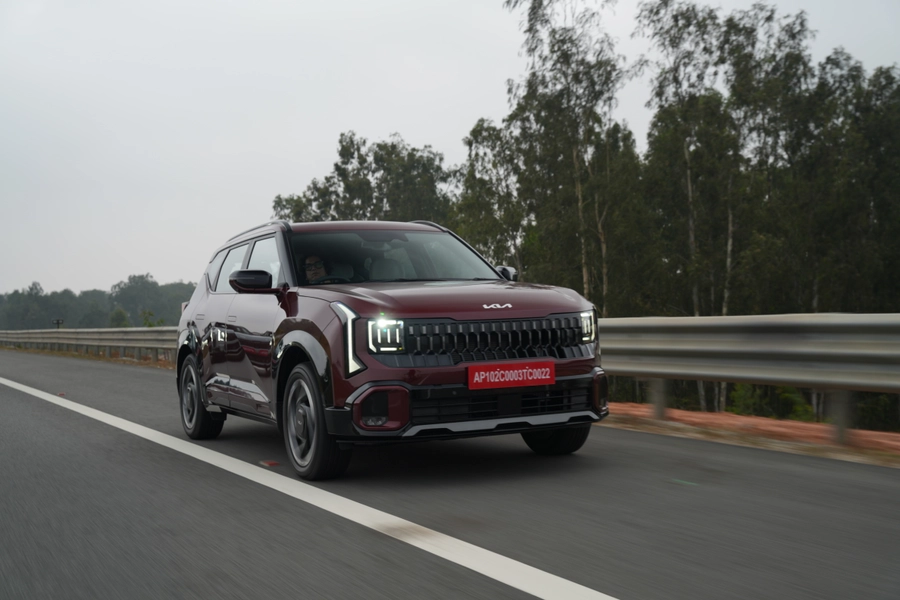
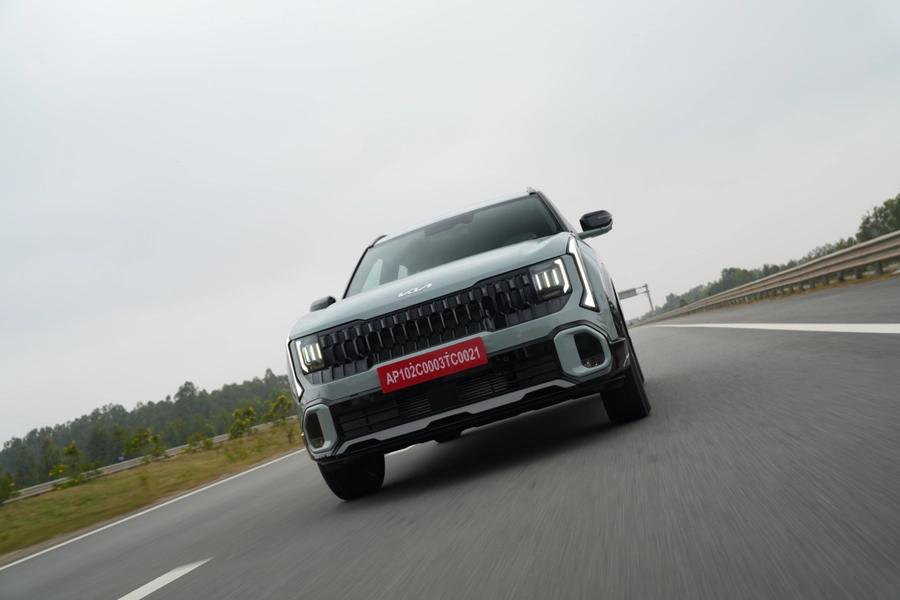
Complementing these engines is a significantly improved chassis setup. Suspension revisions have resulted in better control over body movements, with body roll now well contained through corners. The Seltos feels more composed when pushed, inspiring greater confidence than the older model. Direction changes are handled cleanly, and overall stability has improved, making it feel more secure and predictable, especially at higher speeds. Together, the refined engines and sorted handling give the Seltos facelift a more mature and capable driving character.
Pingback: Upcoming Car Launches/Unveils in January 2026: New Duster, Seltos and more - Shutterdrives
Pingback: 2026 Kia Seltos Launched at 10.99 lakh: All Details Here - Shutterdrives