
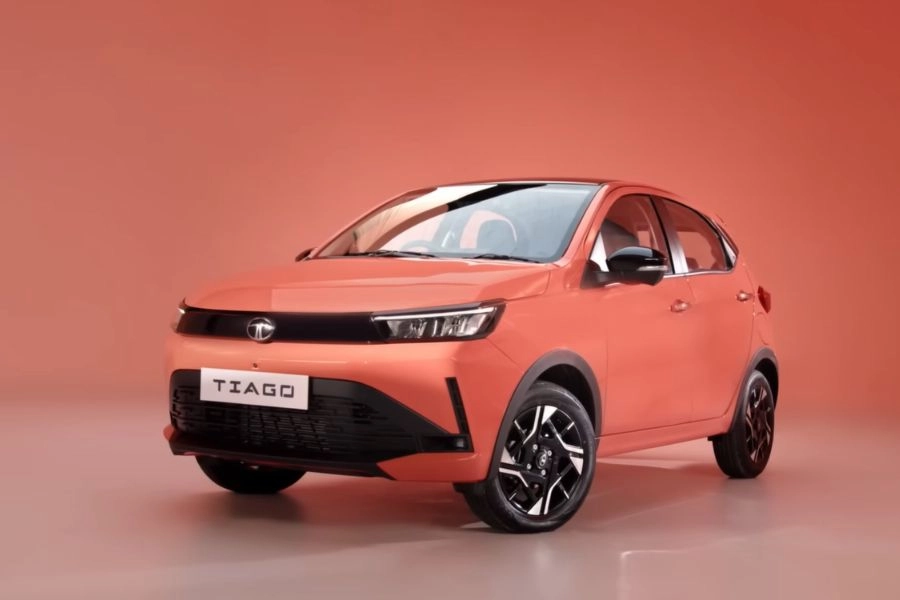
The Tata Tiago facelift has been officially unveiled in India ahead of its launch on May 28, marking the third major update for the popular hatchback since its debut in 2016. With this latest update, Tata aims to further strengthen its position in the highly competitive entry-level hatchback segment. The facelift also continues Tata’s strategy of offering both internal combustion engine (ICE) and electric vehicle (EV) options under the same model line.
This also marks Tata Motors’ third launch of the year, following the introduction of the ICE Punch facelift first, and the Punch EV facelift as the second launch earlier in 2026.
Tata Tiago Facelift – Exterior Design Updates
The Tata Tiago facelift brings a noticeable refresh to the exterior design while retaining the familiar silhouette of the outgoing model. The biggest changes are concentrated at the front, where the hatchback now gets a completely redesigned fascia inspired by Tata’s latest design language. A sharper grille, sleeker headlamps, and a more sculpted bumper give the car a modern and aggressive stance.
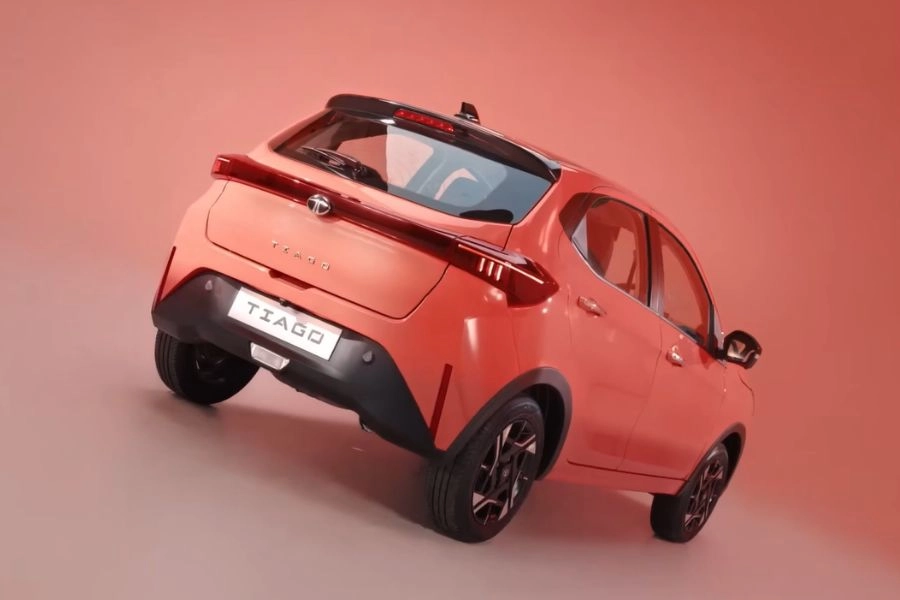
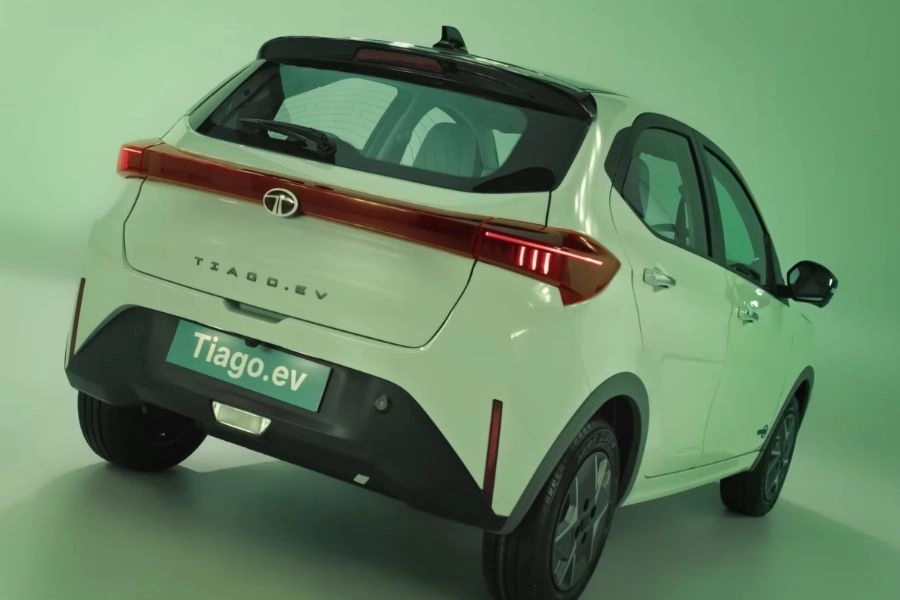
At the rear, the highlight is the addition of a connected tail-lamp setup, a trend increasingly seen across Tata’s newer models. This gives the Tiago a more premium and contemporary look, aligning it with the brand’s evolving design language. On the sides, changes are minimal, with subtle updates such as revised wheel cladding and minor cosmetic tweaks. Overall, the proportions and stance remain largely unchanged, ensuring the Tiago retains its compact city-friendly appeal.
Tata Tiago Facelift – EV Design Differentiation
The electric version of the Tata Tiago facelift, likely to continue as the Tiago.ev , adopts a slightly differentiated design approach. The most prominent change is the closed-off grille at the front, which replaces the conventional grille seen on the ICE version. This element is finished in body colour, distinguishing it visually from its petrol counterpart.
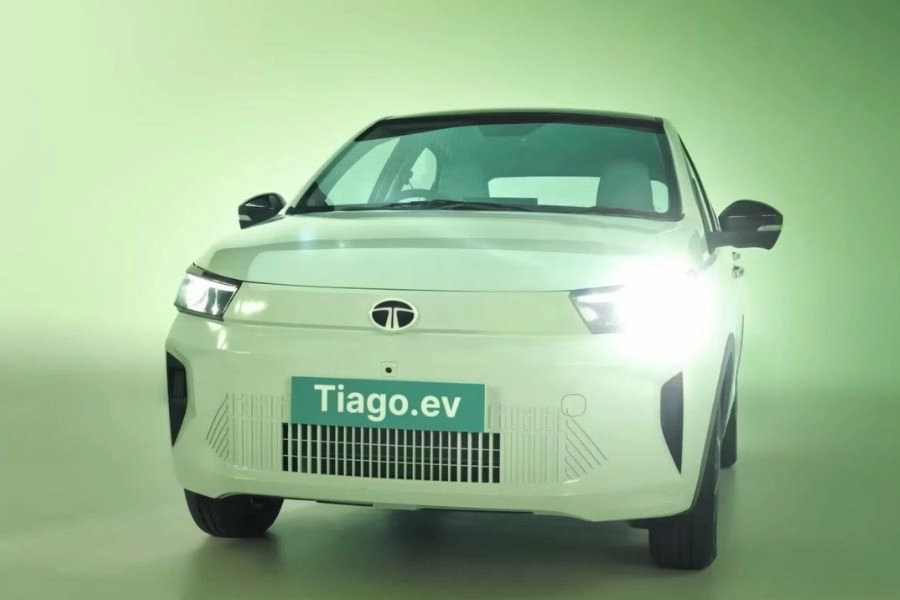
The rear design mirrors the ICE version with the same connected tail-lamp treatment, maintaining consistency across the lineup. These subtle differences help the EV stand out while still preserving the Tiago’s core design.
Tata Tiago Facelift – Interior and Features
While the interiors of the Tata Tiago facelift have not been fully revealed yet, expectations suggest that Tata will carry forward most of the existing features while adding incremental upgrades. The current model already offers a 10.25-inch touchscreen infotainment system, which is likely to continue, along with wireless Apple CarPlay and Android Auto.
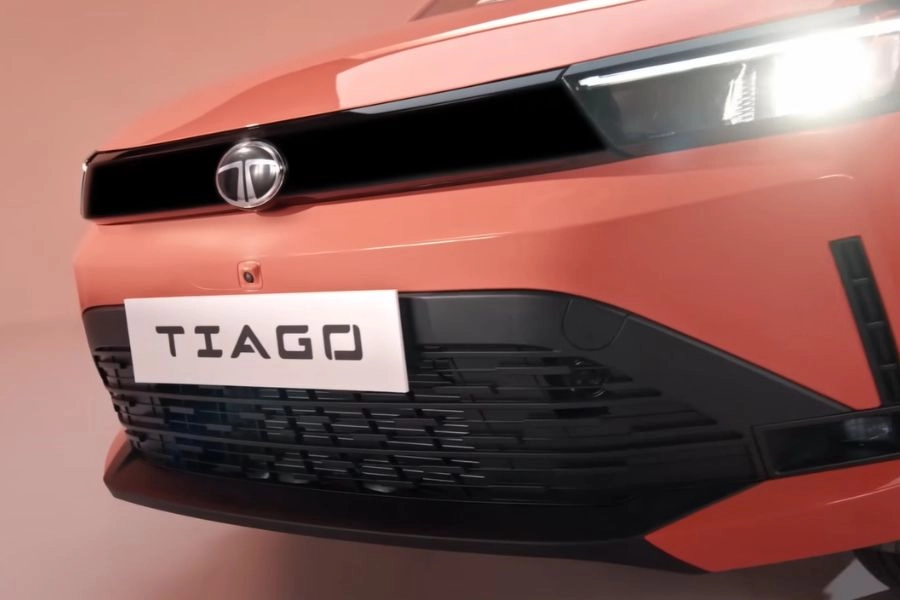
Other expected features include automatic climate control, cruise control, TPMS, and rear parking sensors. One of the most interesting highlights spotted in the unveiling video is the possible inclusion of a 360-degree camera, which, if confirmed, would be a segment-first feature. This addition could significantly enhance the Tiago’s appeal.
Tata Tiago Facelift – Powertrain Options
The Tata Tiago facelift is expected to retain its existing powertrain lineup. The ICE version will continue with the 1.2-litre naturally aspirated petrol engine, paired with either a 5-speed manual or a 5-speed AMT gearbox. Additionally, Tata is likely to continue offering a CNG variant with both manual and AMT gearbox options.
On the electric front, the Tiago EV will carry forward its dual battery pack options. These include a 19.2 kWh medium-range battery and a 24 kWh long-range battery, offering a claimed range of 225 km and 290 km respectively.
Tata Tiago Facelift – Safety and Market Positioning
Safety has been a key strength of the Tiago, and the Tata Tiago facelift is expected to build on this reputation. The current model holds a four-star safety rating from Global NCAP, and with no major structural changes expected, the updated version could maintain similar standards. Features such as six airbags, ABS, and other mandated safety systems will likely be standard.
In terms of market positioning, the Tiago continues to compete with rivals like the Maruti Suzuki Swift, and Hyundai Grand i10 Nios. The EV version, meanwhile, remains one of the most affordable electric cars in India and will go up against similarly priced EVs like the MG Comet and Citroen eC3. With expected pricing to see a slight increase over the current range, the facelift aims to justify the premium through added features and updated styling.