
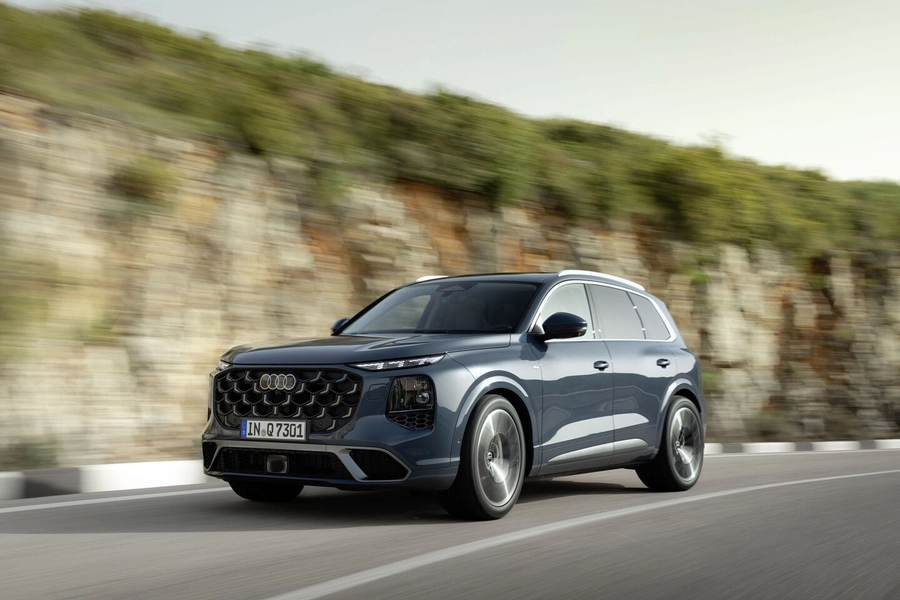
The all new Audi Q7 has been unveiled globally and it now steps into its third generation, replacing the second generation model that has been on sale for over 11 years. Built on the new Premium Platform Combustion (PPC) architecture, the Audi Q7 brings a comprehensive overhaul in both design and technology. The SUV features completely new exterior and interior styling that aligns with Audi’s latest design direction. Another key development is that the Audi Q7 is no longer the flagship three row SUV in the brand’s portfolio, as Audi is preparing to introduce a larger Audi Q9, expected to debut globally in July this year.
3rd Gen Audi Q7 – Exterior Design
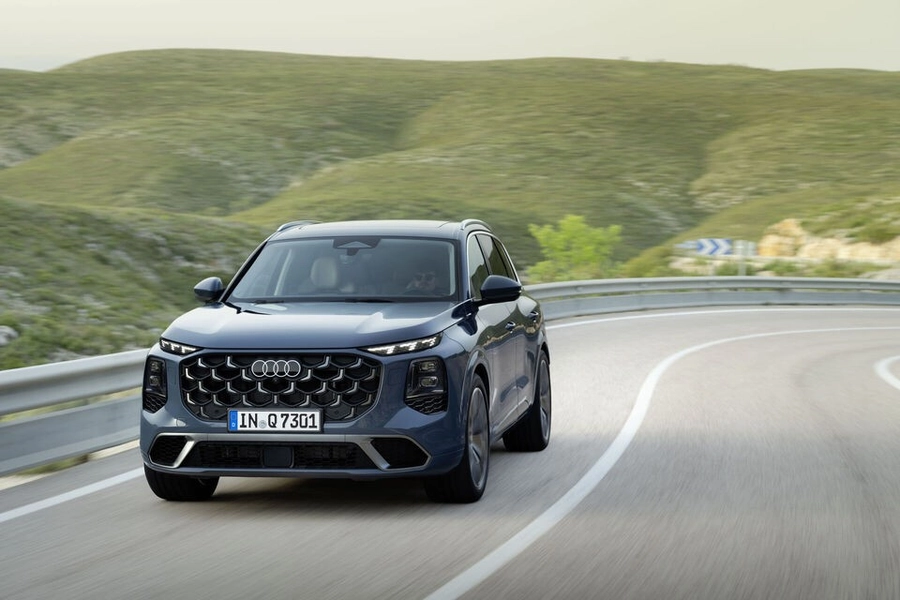
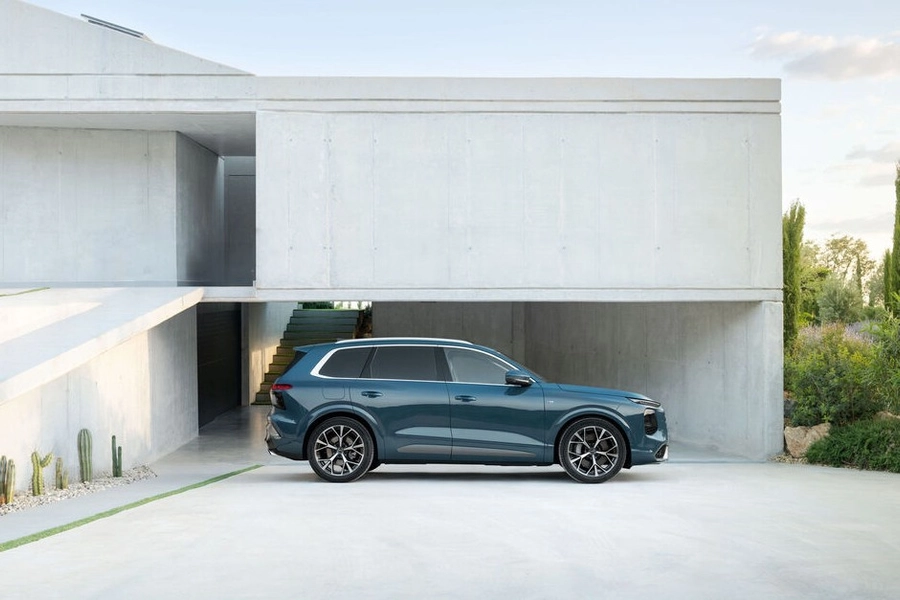
The third generation Audi Q7 retains its muscular stance while introducing sharper and more modern design elements. The front fascia is defined by Audi’s signature Singleframe grille, which is now larger and positioned higher along with the four ring emblem, giving the SUV a more imposing road presence. The redesigned air intakes add a functional and sporty character to the front profile. The Audi Q7 also appears wider due to the pronounced wheel arches.
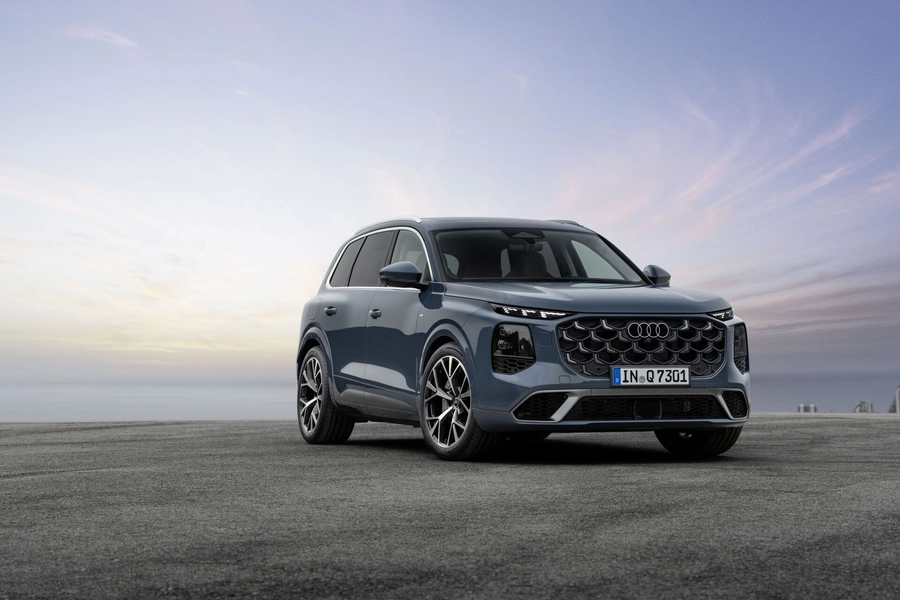
The lighting setup is a major highlight, featuring digital DRLs paired with advanced Matrix LED headlamps. The side profile is defined by an upswept shoulder line and prominent quattro inspired blisters, which flow into a more upright D pillar. This design change results in a flatter roofline, which Audi claims that interior headroom and overall space improves.
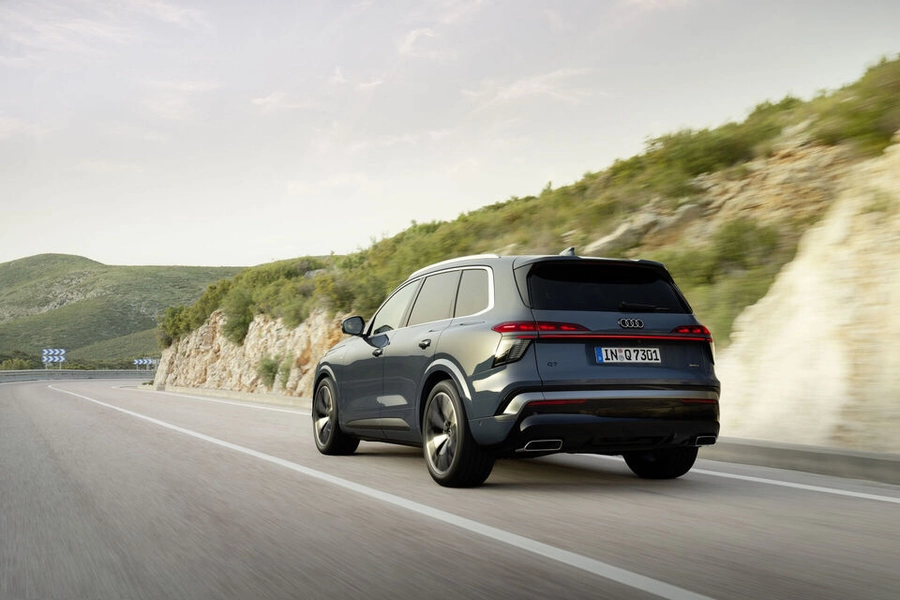
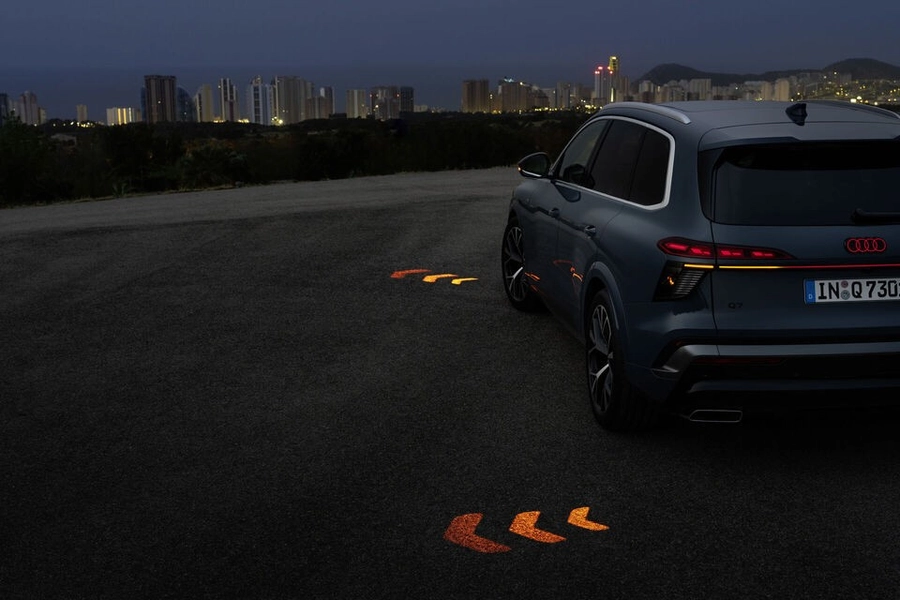
At the rear, the design is equally striking. The optional digital OLED tail lamps are connected by a continuous light strip that spans the width of the vehicle. The sculpted tailgate, raised bumper with integrated diffuser, and neatly integrated exhaust outlets complete the look. For the first time, the SUV also gets optional automatic doors. These doors use surround sensors to detect obstacles and prevent collisions, while a soft close function ensures smooth operation. Another notable feature is the projection of turn signals onto the ground, which enhances visibility for pedestrians and cyclists during night driving.
3rd Gen Audi Q7 – Interior Design and Features
Inside, the new Audi Q7 adopts a clean and technology focused layout. The dashboard is dominated by a triple screen setup, with the central infotainment display angled towards the driver for better usability. A newly designed four spoke steering wheel adds a fresh touch, while the extensive use of wood and leather is seen throughout the cabin.
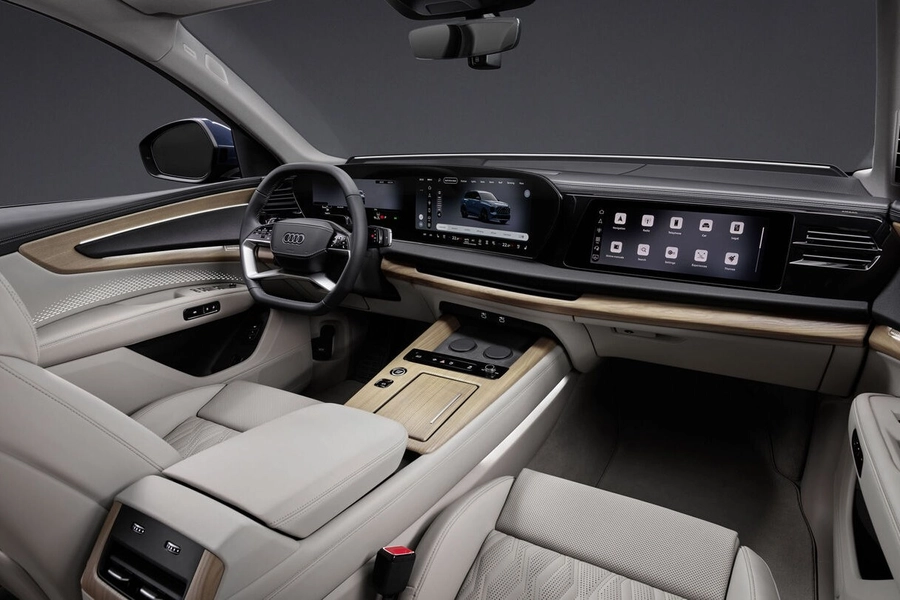
The centre console is functional and well laid out, housing dual wireless charging pads, drive mode controls, a rotary volume knob, and multiple convenience switches. Ambient lighting is integrated into the door panels actuators and even the headrests, creating a premium cabin environment. The front seats feature built in and headrest speakers, allowing occupants to take calls directly through the seats.
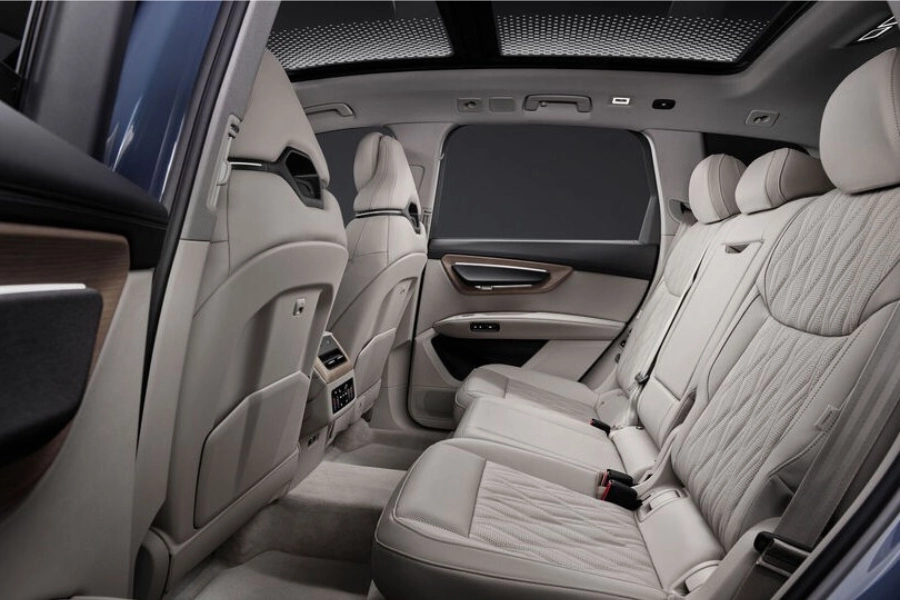
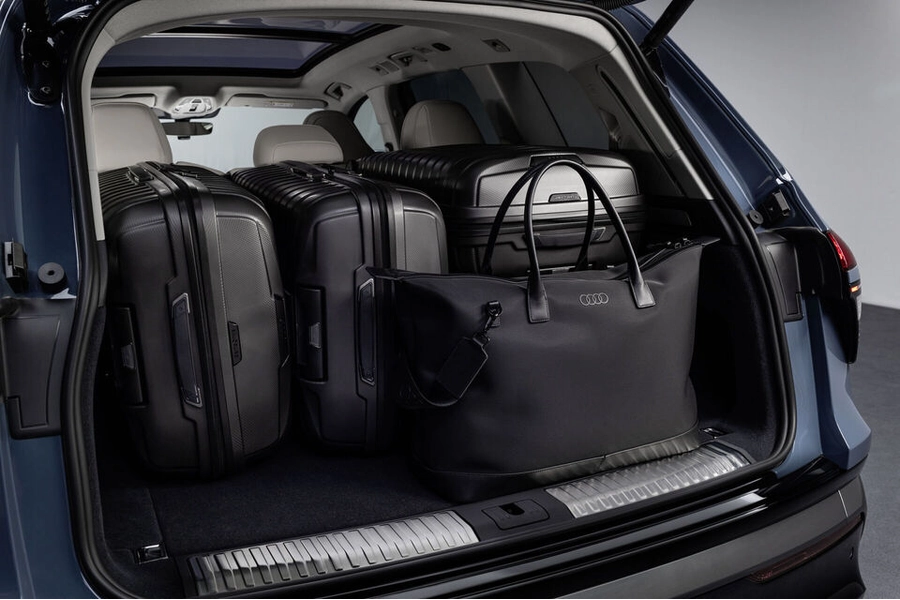
Comfort and convenience features include a panoramic sunroof with optional adjustable transparency, a comprehensive driver assistance suite, connected car technology, and a 22 speaker Bang and Olufsen 4D sound system. The Audi Q7 also offers flexible seating configurations. While the standard model is a five seater, buyers can opt for six seat or seven seat layouts depending on their requirements. In terms of practicality, the SUV offers 581 litres of boot space in the seven seat configuration, which increases significantly when the seats are folded.
3rd Gen Audi Q7 – Powertrain Options
The new Audi Q7 will be offered with a range of powertrain options depending on the market. The petrol option is a 2.9 litre twin turbo V6 engine that produces 429 horsepower and 599 Nm of torque. This engine is paired with an eight speed automatic transmission and Audi’s quattro all wheel drive system, enabling a 0 to 100 kmph time of 4.8 seconds.
The diesel lineup includes a 3.0 litre V6 TDI engine available in two states of tune. The base version produces 245 horsepower and 500 Nm, while the higher variant delivers 299 horsepower and 630 Nm. Both versions are supported by a mild hybrid system that provides an additional boost during acceleration. This engine is also compatible with hydrotreated vegetable oil, which significantly reduces emissions. In all probability the Petrol Q7 will be the only engine option in India.
Suspension options include standard steel springs, with adaptive air suspension available as an option. For performance focused buyers, Audi will also offer the SQ7 variant in select markets. This model is powered by a 4.0 litre twin turbo V8 engine producing 591 horsepower and 800 Nm of torque, allowing it to accelerate from 0 to 100 kmph in just 3.7 seconds.
3rd Gen Audi Q7 – India Launch Timeline and Expected Price
Bookings for the third generation model will begin in Germany this month, with deliveries scheduled to start in September 2026. Pricing will start at 87,900 euros for the base diesel variant, going up to 90,500 euros for the higher specification version. Pricing for the petrol variants has not yet been announced.
The new Audi Q7 is expected to arrive in India as well, although the exact launch timeline remains unknown at this stage. Once launched, it will continue to compete with established rivals such as the Mercedes-Benz GLE and the BMW X5 in the luxury SUV segment.