
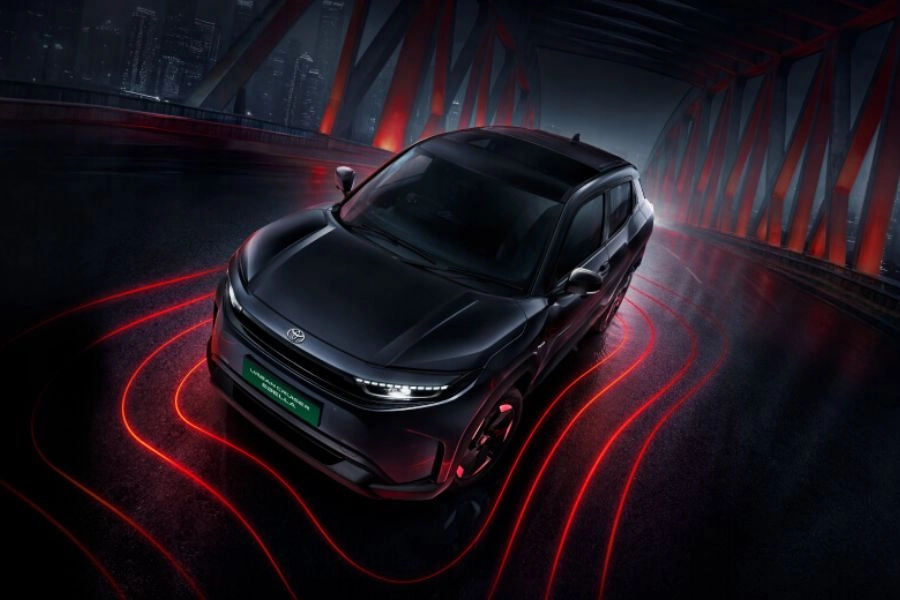
Toyota Kirloskar Motors (TKM) have officially launched the Urban Cruiser Ebella in India at ₹23.60 lakh (ex-showroom), marking its entry into the country’s mass-market EV space. First unveiled in January 2026, the Ebella is Toyota Kirloskar Motor’s first all-electric offering for India and is based on the Maruti Suzuki e Vitara, continuing the strong alliance between the two manufacturers. As of now, the SUV is available with a 61 kWh battery pack, while the smaller 49 kWh version has not yet been introduced at launch.
Toyota Urban Cruiser Ebella – Exterior Design
The Toyota Urban Cruiser Ebella adopts a design language that aligns with current global EV styling trends while retaining SUV proportions. At the front, the vehicle features Toyota’s hammerhead-style fascia, paired with slim LED headlamps and a closed-off grille design typical of electric vehicles. The bumper design incorporates sharp horizontal elements, contributing to a wide visual stance. Notably, the Ebella does not feature front fog lamps, unlike its badge-engineered sibling, the Maruti Suzuki e Vitara.
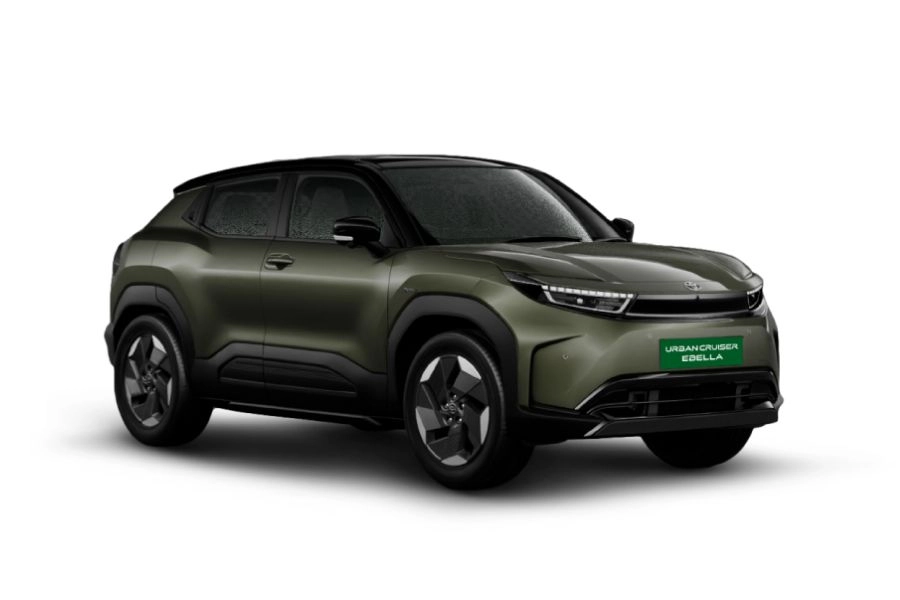
The side profile maintains a strong SUV stance with 18-inch alloy wheels, clean surfacing, and subtle character lines. The rear design is highlighted by distinctive LED tail lamps and a sculpted tailgate, giving it a modern and tech-forward appearance. Overall, the Ebella carries Toyota’s ‘Urban Tech’ design philosophy, blending futuristic EV cues with traditional SUV proportions.
Toyota Urban Cruiser Ebella – Interior Design and Features
Inside, the Urban Cruiser Ebella gets a premium and contemporary cabin. The dashboard features a unified digital cockpit with a 10.25-inch digital instrument cluster and a 10.1-inch touchscreen infotainment system with wireless Apple CarPlay and Android Auto.
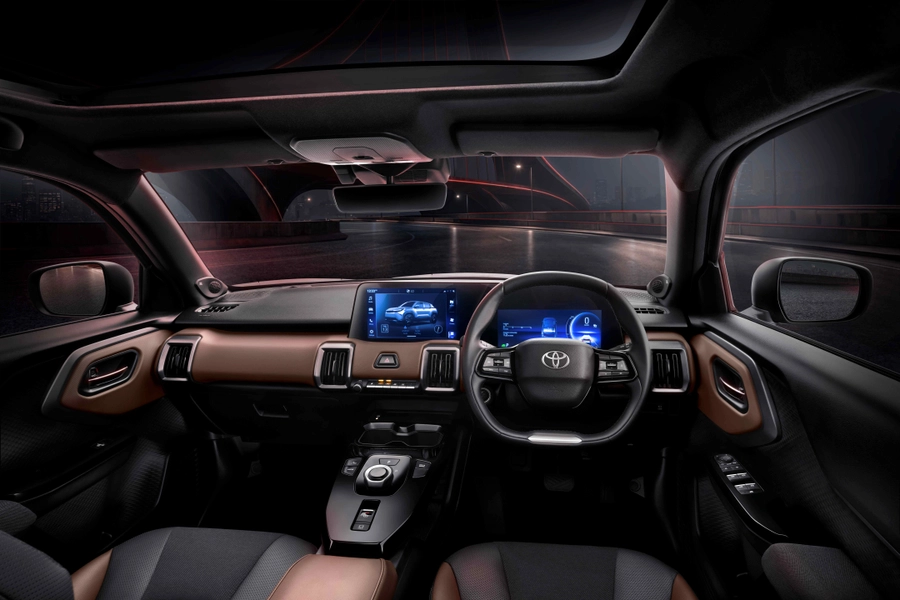
The cabin also includes dual-tone interiors, soft-touch materials, ambient lighting with 12 colour options, and a panoramic sunroof. Comfort features include ventilated front seats, a 10-way power-adjustable driver’s seat, sliding and reclining rear seats with a 40:20:40 split, and a JBL premium sound system. Toyota’s i-Connect suite with over 100 connected features enables remote vehicle monitoring, charging control, and climate functions.
Toyota Urban Cruiser Ebella – Battery Pack, Range and Charging
The Urban Cruiser Ebella is offered with a 61 kWh lithium iron phosphate (LFP) battery pack paired with a front-wheel-drive motor producing 172 hp and 189 Nm of torque.
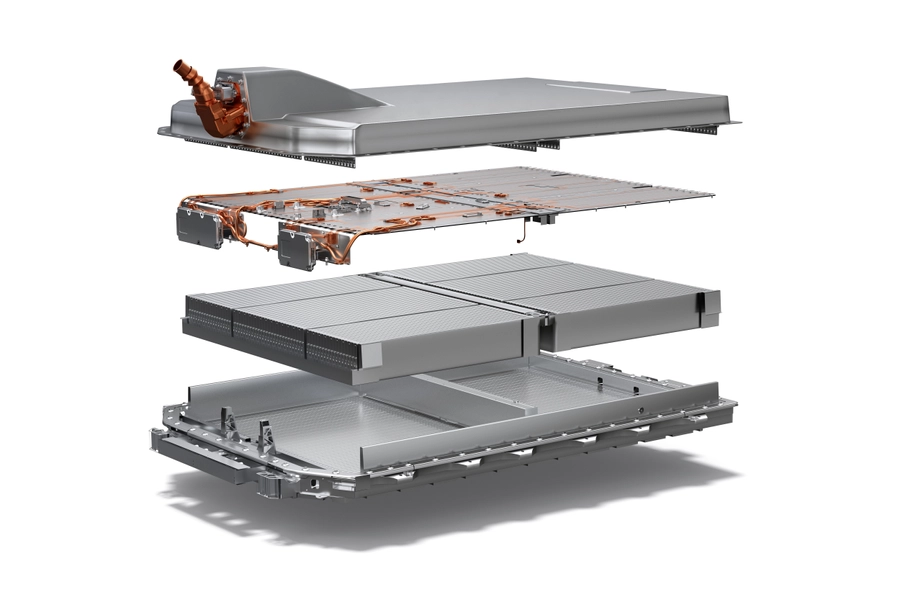
Toyota claims an ARAI-certified range of up to 543 km on a single charge. The SUV supports both AC and DC fast charging options, including CCS2 fast charging compatibility. It also features smart charging functions such as remote charging operation, scheduling, and battery monitoring via the i-Connect system, ensuring convenience for both daily commutes and longer journeys.
Toyota Urban Cruiser Ebella – Safety
Toyota has equipped the Urban Cruiser Ebella with a comprehensive safety package in line with global standards. The SUV comes with seven airbags as standard, along with ABS, EBD, electronic stability control, and a high-tensile body structure.
In addition, it features Level 2 ADAS, including adaptive cruise control, lane keep assist, blind spot monitoring, rear cross-traffic alert, and pre-collision assist. A 360-degree camera and multiple parking aids further enhance overall safety and driver confidence.
Toyota Urban Cruiser Ebella – Market Positioning and Rivals
Priced at ₹23.60 lakh, the Urban Cruiser Ebella positions itself in the premium compact electric SUV segment. It will rival models like the Hyundai Creta Electric, Maruti Suzuki E Vitara, Mahindra BE 6, Tata Harrier EV and MG ZS EV. Interestingly, the Ebella is priced around ₹3.6 lakh higher than the top-spec e Vitara, despite sharing the same battery pack, range, and largely identical features
Toyota has also confirmed a Battery-as-a-Service (BaaS) model for the Ebella, although detailed pricing and structure for the subscription plan are yet to be announced. The Ebeella is also backed with an 8-year battery warranty and an assured buyback program, strengthening its ownership proposition.