

Maruti Suzuki is set to take a significant step towards alternative fuel mobility in India with the unveil of its first flex fuel car on June 4th. The timing of the unveil is notable as it aligns closely with World Environment Day on June 5, underlining the brand’s intent to position this development as a move towards cleaner and more sustainable mobility solutions.
Flex fuel unveil on June 4
The upcoming model is expected to run on E100 fuel, consists of 93 to 93.5 % ethanol, blended with approximately 5% petrol and co-solvent. This makes it a major milestone for the Indian automotive market, where flex fuel technology is still in its early stages. A flex fuel vehicle is capable of running on multiple ethanol petrol blends, but a car tuned for E100 takes this capability to its highest level by being optimised for pure ethanol usage.
Flex fuel Car Expectations
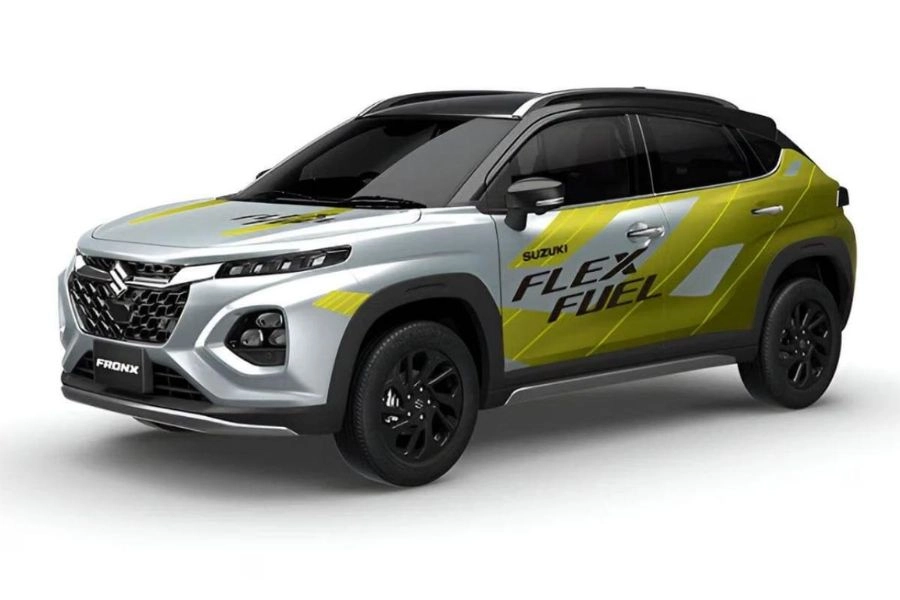
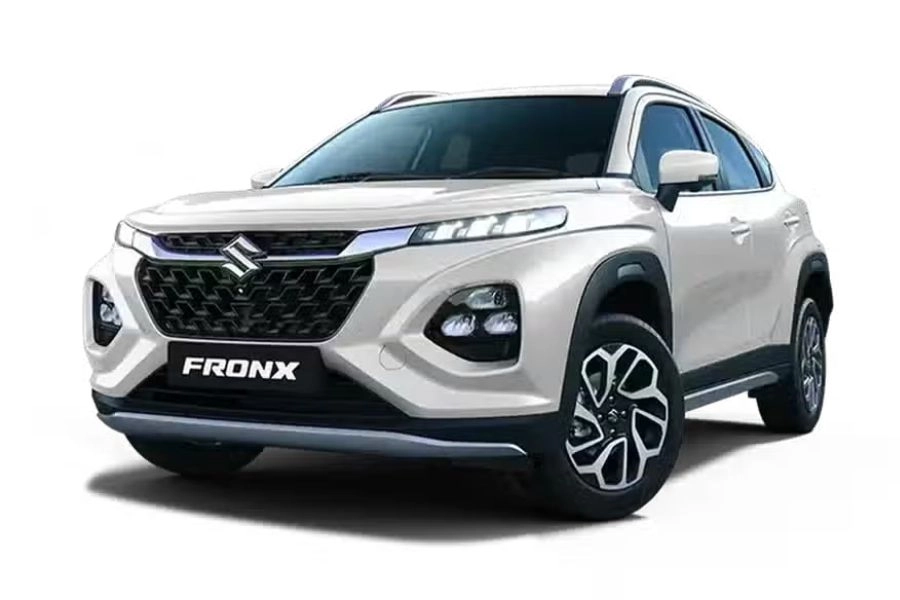
While Maruti Suzuki has not officially confirmed the model that will debut this flex fuel powertrain, early indications suggest that it could be based on either the Fronx or the Wagon R. Both models are strong volume players for the brand, and introducing a flex fuel variant on a mass market platform would allow Maruti Suzuki to test scalability and acceptance in real world conditions. Final confirmation on the product will only come at the time of the official unveil.

This development is not entirely unexpected. Suzuki had previously showcased a 100 percent ethanol powered version of the Fronx at the Japan Mobility Show last year. That showcase demonstrated the brand’s ongoing work in adapting its engines to run efficiently on high ethanol blends. Bringing a similar flex fuel setup to India indicates that the technology is now closer to production readiness for local conditions.
The announcement of this unveil also follows a statement made by Union Transport Minister Nitin Gadkari, who had earlier indicated that Maruti Suzuki would be introducing a flex fuel car in India. His statement had generated considerable interest around the possibility of ethanol based mobility gaining traction in the country, especially as India continues to push for reduced dependence on fossil fuels and increased use of biofuels.
Flex fuel vehicles are seen as a practical solution in markets like India where a complete shift to electric mobility will take time due to infrastructure and cost considerations. Ethanol, being a domestically producible fuel, offers advantages in terms of energy security and reduced emissions when compared to conventional petrol. A flex fuel car capable of running on E100 could significantly lower tailpipe emissions while also supporting the agricultural economy through ethanol production.
Flex fuel and India’s ethanol roadmap
For Maruti Suzuki, the introduction of a flex fuel car also aligns with its broader multi powertrain strategy. While the company has been relatively cautious in the electric vehicle space, it has actively explored hybrid and alternative fuel technologies. A flex fuel offering adds another layer to this strategy and positions the brand as a key player in India’s transition towards cleaner mobility.
The June 4 unveil will therefore be closely watched, not just for the product itself but for what it signals about the future direction of the Indian automotive industry. If executed well, the introduction of a flex fuel vehicle running on E100 could open the door for wider adoption of ethanol based fuels across segments, setting the stage for a more diversified and sustainable fuel ecosystem in the country.
Pingback: Flex Fuel Vehicles Explained: From E20 to E100 and What It Means for You - Shutterdrives
Pingback: Maruti Suzuki’s 1st Ever Flex Fuel Car Set to Debut Tomorrow: All We Know So Far - Shutterdrives